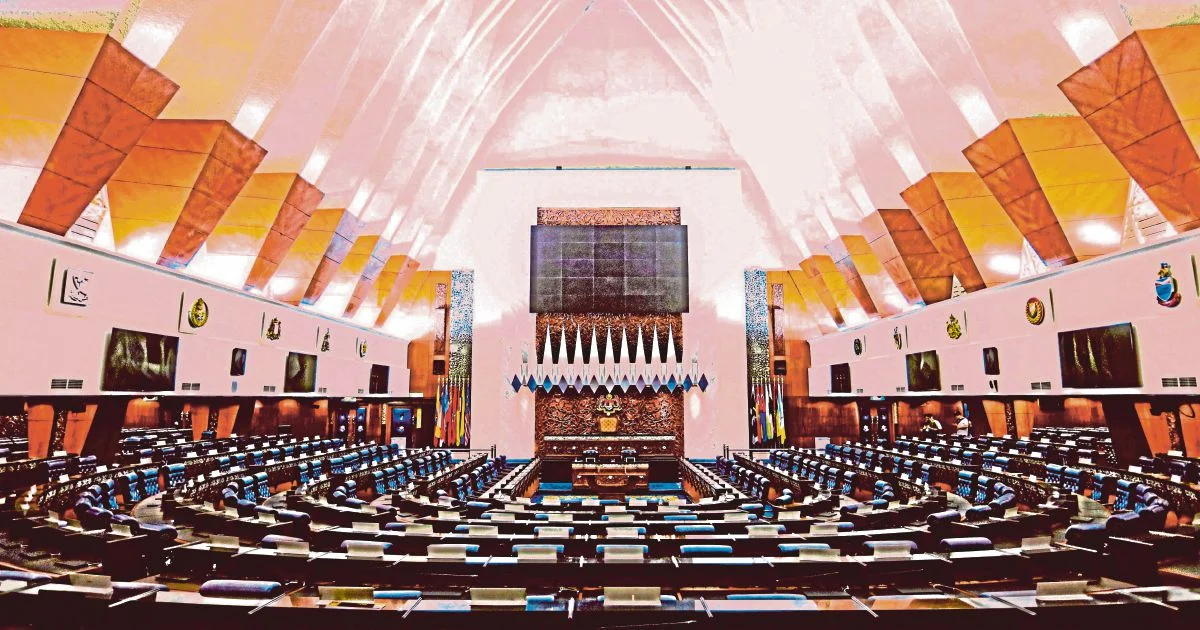
Lawmakers in the Dewan Rakyat are expected to engage in substantive debate today on the Malaysia-Thailand Border Economic Zone (BEZ) and the mounting challenges posed by the ongoing Strait of Hormuz crisis, signalling parliamentary attention to both bilateral trade architecture and maritime security concerns affecting Malaysia's economic and geopolitical interests.
The Border Economic Zone represents a significant bilateral initiative aimed at bolstering economic integration between Malaysia and Thailand through enhanced cross-border investment and commerce. Parliamentary discussion of this development framework reflects growing emphasis on deepening regional cooperation, particularly given the geographic proximity and long-standing trade ties between the two nations. Such parliamentary scrutiny ensures public accountability over how the BEZ's regulatory structure, incentive mechanisms, and infrastructure investments align with Malaysian development priorities and job creation targets.
The initiative carries considerable weight for northern Malaysia, where proximity to Thailand creates unique commercial opportunities. Enhanced economic integration could unlock investment flows, facilitate human mobility for skilled workers, and stimulate regional industrialisation centred on border communities. The parliamentary platform allows lawmakers to assess whether current BEZ frameworks adequately protect Malaysian business interests whilst promoting fair competition, and whether revenue-sharing arrangements benefit local stakeholders equitably.
Parallel to bilateral economic concerns, lawmakers will address implications of the prolonged Strait of Hormuz tensions, a matter with direct bearing on Malaysia's energy security and shipping costs. This critical waterway, through which roughly one-third of global seaborne traded oil transits, has faced increased geopolitical instability. Disruptions to shipping lanes threaten Malaysia's petroleum imports, petrochemical industry operations, and overall trade competitiveness, as rising insurance premiums and potential supply chain delays elevate production costs across the economy.
Malaysia's position as a maritime nation with substantial shipping traffic through regional and international waters makes it particularly vulnerable to Hormuz instability. The crisis reverberates through Malaysian ports and shipping companies operating in the region, whilst energy-dependent manufacturing sectors face cost pressures that ultimately affect consumer prices and export competitiveness. Parliamentary discussion provides an opportunity for government accountability regarding contingency planning, diplomatic efforts to stabilise the situation, and measures to shield Malaysian economic interests from further deterioration.
The simultaneous parliamentary focus on both issues underscores interconnected dimensions of Malaysia's regional strategy. The BEZ discussion reflects developmental ambitions within Southeast Asia, whilst Hormuz deliberation highlights Malaysia's stakes in maintaining stable international maritime and energy markets. Both matters require coherent government approaches: the BEZ demands regulatory clarity and infrastructure investment, whilst Hormuz stability requires diplomatic engagement with international stakeholders.
Lawmakers may probe whether Malaysia's government has adequately coordinated with ASEAN partners on energy diversification strategies to mitigate Hormuz dependency. Discussions could explore renewable energy acceleration, liquefied natural gas diversification, or regional energy cooperation frameworks that reduce reliance on single maritime chokepoints. Such broader energy security conversations increasingly influence parliamentary assessments of trade and maritime policies.
The parliamentary session also provides opportunity for opposition scrutiny regarding implementation timelines and fiscal allocations for the BEZ. Lawmakers may question whether promised infrastructure investments have materialised, whether private sector participation matches government projections, and whether Thai counterpart commitments mirror Malaysian undertakings. This oversight function ensures the BEZ develops according to announced parameters rather than languishing as an unfulfilled bilateral commitment.
Regarding Hormuz, parliamentary members may demand clarity on government representation in regional security discussions, Malaysia's coordination with major maritime powers monitoring the strait, and whether diplomatic channels to Iran and Gulf states remain active. The government's positioning during this volatile period significantly affects Malaysia's credibility as a stable maritime nation and its influence in regional security arrangements.
These parliamentary discussions also carry implications for Malaysian companies with regional exposure. Shipping firms, petrochemical producers, and trading enterprises depend on stable policy frameworks and government clarity regarding risk management in troubled regions. Parliamentary transparency regarding government contingency planning and international coordination efforts helps businesses make informed investment and operational decisions.
The agenda demonstrates parliament's role extending beyond domestic legislation into addressing consequential international economic and security challenges. Malaysian lawmakers increasingly grapple with interconnected global issues that shape the nation's prosperity and stability. Today's debate on the BEZ and Hormuz crisis exemplifies how parliamentary processes must encompass both forward-looking development initiatives and crisis management, ensuring that Malaysia's regional relationships and external vulnerabilities receive sustained legislative attention.

