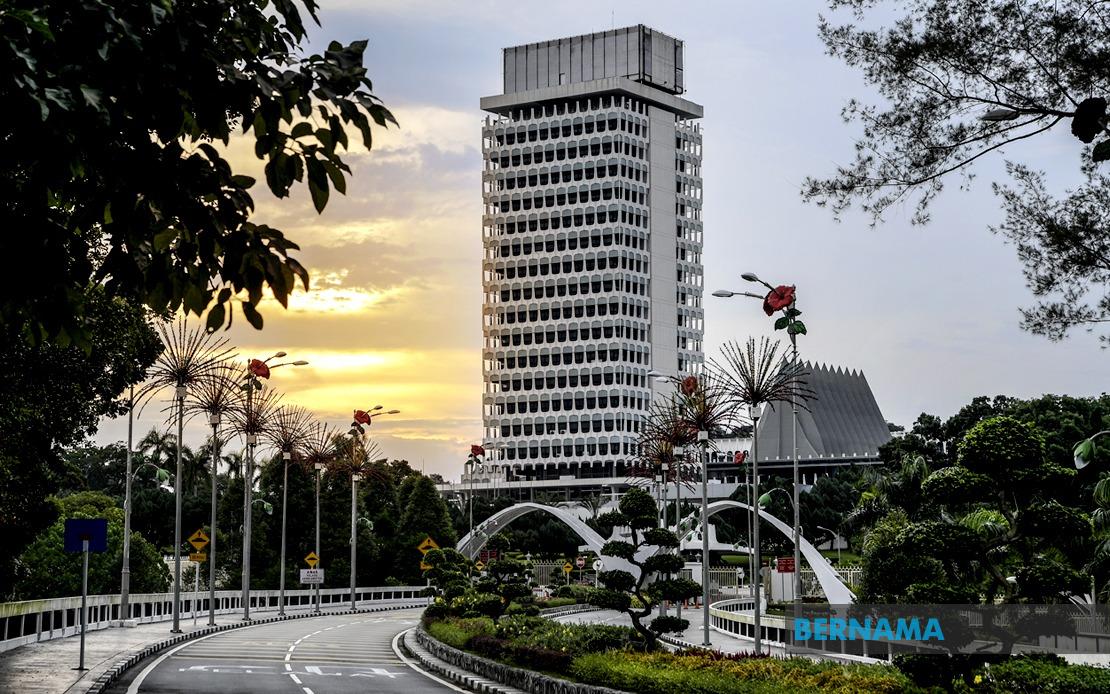
The Dewan Rakyat is turning its attention to three interconnected challenges facing Malaysian households and national development priorities during today's sitting: the safeguarding of insurance consumers from unfair practices, the adequacy of retirement income for ordinary workers, and investment in emerging sporting talent. These topics reflect broader anxieties about financial security, social protection, and the country's capacity to build sustainable competitive advantages in an uncertain economic environment.
Health insurance protection has emerged as a pressing concern following documented cases where policyholders with critical illnesses and cancer diagnoses have faced unexpected claim rejections or policy cancellations. Tan Kok Wai from Cheras will press the Finance Minister on concrete government measures to reinforce regulatory safeguards for vulnerable patients. The questioning targets three specific weaknesses: the mechanisms by which insurers can terminate coverage; the grounds and processes for claim denial; and whether consumers have adequate recourse when disputes arise. Enhanced transparency requirements and independent dispute resolution pathways could substantially reduce the information asymmetry that currently disadvantages policyholders navigating complex insurance contracts during their most distressed moments.
The regulatory landscape for insurance in Malaysia has historically privileged industry interests over consumer protections, particularly where profitability intersects with claims management. Strengthening oversight could require insurers to demonstrate medical necessity before rejecting treatment claims, establish independent review boards for disputed decisions, and impose cooling-off periods before policy termination. For Malaysian households already stretched by inflation in food, fuel and housing costs, reliable insurance protection represents a critical safety net against catastrophic medical expenses that could trigger bankruptcy or force families to liquidate assets.
Simultaneously, questions about the retirement adequacy of Employees Provident Fund contributors underscore demographic and economic pressures building across Malaysian society. Datuk Seri Aminuddin Harun will ask the Finance Minister how government policy intends to ensure that ordinary workers accumulate sufficient savings for dignified retirement, particularly as the population ages and fewer working-age adults support retirees. The urgency intensifies as Malaysia approaches 2030, when demographic projections indicate the workforce participation ratio will begin declining sharply. Current EPF contribution rates and withdrawal regulations may prove insufficient if inflation continues eroding purchasing power and life expectancy extends retirement periods.
The EPF retirement adequacy question connects directly to wages, employment stability, and cost-of-living pressures that squeeze household savings capacity. Workers earning low incomes cannot easily increase personal contributions beyond mandatory levels when transport, childcare and food costs consume most earnings. Government policy levers might include raising mandatory contribution rates, allowing voluntary top-ups with tax incentives, restricting early withdrawals for non-essential purposes, or establishing minimum adequacy thresholds that trigger supplementary assistance. Regional comparisons show several Southeast Asian economies experimenting with multi-pillar retirement systems combining government-managed schemes with individual savings and targeted safety nets for low-income retirees.
Volleyball talent development represents a different policy dimension, addressing human capital investment in sports where Malaysia has demonstrated regional competitiveness. Zakri Hassan will question the Youth and Sports Minister about systematic approaches to identifying and cultivating volleyball talent, particularly in indoor and beach volleyball variants. Strategic investment in youth programmes, coaching infrastructure and competition pathways can yield returns both through international sporting success and through the social benefits of organized youth engagement. Southeast Asian volleyball competitions provide high-visibility platforms where Malaysian athletes can compete at quality standards that enhance their development trajectories.
Beyond parliamentary questioning, several other initiatives face scrutiny this session. The National Information Dissemination Centres, known as NADI, will face questions about effectiveness in improving rural economic conditions, reflecting persistent concerns that digital infrastructure investments have not translated into meaningful income generation for small entrepreneurs in underserved communities. Hassan Saad's inquiry will probe whether NADI facilitates actual e-commerce capability, market access and digital literacy or merely provides internet terminals without supporting business ecosystem development.
The Mobile eCOSS application introduced in May 2025 will also be examined for its effectiveness in preventing cooking oil subsidy leakage, indicating ongoing problems with subsidy targeting in essential commodity programmes. Leakages reduce government budget efficiency and potentially distort market prices by allowing subsidized goods to reach unintended beneficiaries or export markets. Technological solutions like eCOSS tracking can improve accountability but require complementary enforcement mechanisms and merchant cooperation.
Financing scheme effectiveness for micro, small and medium enterprises represents another crucial policy focus, particularly given their importance to employment creation and income distribution in Malaysia. Questions about whether existing schemes actually reach eligible enterprises and whether they operate with reasonable terms and approval timelines will help assess government support programme implementation quality.
The parliament sitting will also receive a health committee briefing on national organ donation and transplant system reforms, an important public health matter affecting transplant capacity and equity of access. The committee-stage debate on the Competition Amendment Bill 2026 and second reading of the Competition Commission Amendment Bill 2026 signal ongoing efforts to strengthen antitrust enforcement and market discipline.
With the Second Meeting of the Fifth Session scheduled to run 16 days through July 16, parliament has structured time for substantive examination of these interconnected policy challenges. The outcomes of these inquiries and legislative actions may significantly affect how Malaysians experience financial security in retirement, access to affordable health protection, and the nation's competitive positioning in developing sporting excellence and digital economic participation.

