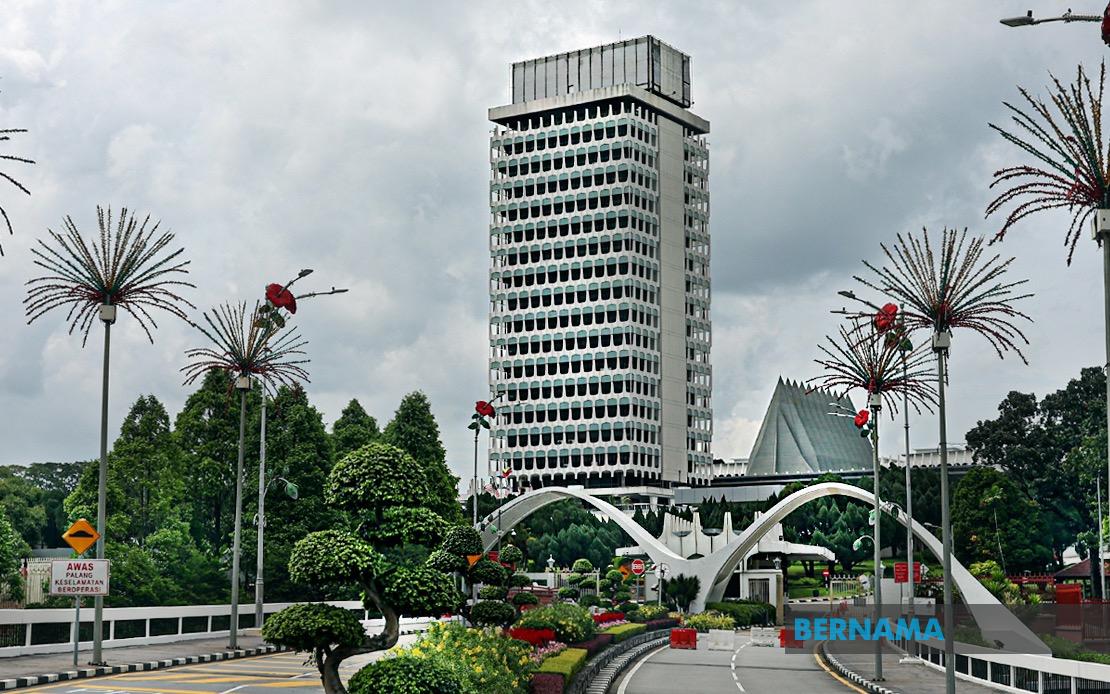
Lawmakers in Malaysia's lower house will turn their attention today to two pressing national concerns: the contentious rollout of the East Coast Expressway Phase 3 through private sector involvement, and an intensifying crackdown on vape syndicates that have infiltrated schools and youth communities. The parliamentary sitting, part of a 16-day legislative session running through mid-July, signals mounting pressure on the government to clarify its infrastructure financing models and demonstrate concrete action on a growing public health threat.
The LPT3 proposal represents a significant shift in how Malaysia approaches major transportation infrastructure. Rather than the traditional government-funded model, authorities are pursuing a public-private partnership framework for this critical highway segment that would link sections of the East Coast region. During Question Time, Wan Hassan Mohd Ramli from Dungun will press the Works Minister for specifics on the government's rationale for this approach, demanding clarity on how toll rates will be determined and what timeline guides the project's delivery. This line of questioning reflects broader parliamentary and public scepticism about PPP arrangements, which have proven contentious in Malaysia's recent infrastructure history.
The toll question carries particular weight for ordinary Malaysians. Infrastructure partnerships often result in higher user costs, and constituents have grown increasingly sensitive to additional financial burdens. The Dungun MP's questions likely signal constituent concerns about affordability and equity. Whether smaller towns and lower-income travellers will be priced out of using modernised highways has become a standard concern whenever Malaysia contemplates major transportation investment. The LPT3, intended to improve connectivity and commerce along Malaysia's less-developed eastern coastline, risks becoming another infrastructure project that primarily benefits wealthier regions unless toll structures are carefully designed.
Parallel to infrastructure debates, lawmakers will address a more urgent social challenge: the proliferation of vape products in Malaysian schools and among teenagers. Datuk Mas Ermieyati Samsudin, representing Masjid Tanah, will ask the Home Minister what enforcement mechanisms are being deployed to dismantle the criminal networks distributing these harmful substances. This question reflects growing alarm among parents, educators, and health officials about nicotine and other chemical inhalation among minors. Unlike tobacco products, which Malaysians have regulated for decades, vape technology's relative novelty has created enforcement gaps that criminal syndicates have exploited.
The vape issue has emerged as one of Southeast Asia's most perplexing public health challenges. Products are often marketed as safer alternatives to smoking, a messaging that particularly appeals to young users who may not recognise their addictive properties or unknown long-term health consequences. Malaysian schools have reported alarming increases in student possession and use of vaping devices, often disguised as pens or inhalers to evade detection. The parliamentary inquiry suggests government agencies have not yet developed sufficiently coordinated or aggressive responses to halt distribution networks that supply these products to minors.
Beyond these flagship issues, additional parliamentary questions signal the complexity of governance challenges facing Malaysia. P. Prabakaran from Batu will probe the Home Minister on border congestion, raising concerns about immigration clearance bottlenecks at entry points. This issue directly affects Malaysia's tourism competitiveness and trade efficiency. Long queues at airports, seaports, and land crossings have become notorious pain points for travellers and commerce, yet solutions have remained elusive. The question reflects growing frustration that despite years of investment in immigration infrastructure, processing delays persist.
Healthcare digitalisation will also face parliamentary scrutiny. Salamiah Mohd Nor from Temerloh will question the Health Minister on the practical effectiveness of digital initiatives including MySejahtera and electronic health records in alleviating congestion at government hospitals. These platforms were promoted as modern solutions to improve healthcare efficiency and patient experience, yet reports suggest many facilities remain overwhelmed. The question implies that digital tools alone cannot resolve structural capacity issues without corresponding expansion of physical infrastructure and clinical staffing.
The parliamentary session will conclude with a substantive debate on the annual report of the Human Rights Commission of Malaysia, or SUHAKAM. This discussion typically addresses fundamental questions about civil liberties, governance standards, and Malaysia's international human rights standing. The winding-up debate, conducted by relevant ministers, offers an opportunity to address systemic concerns and indicate governmental priorities regarding accountability and institutional independence.
The 16-day sitting represents the Fifth Session of the 15th Parliament, scheduled to conclude on July 16. This extended session allows for comprehensive legislative work and detailed scrutiny of government performance. The range of topics being debated—from infrastructure finance mechanisms to youth protection, border management, healthcare delivery, and human rights accountability—reflects the multi-dimensional challenges facing contemporary Malaysia. These parliamentary inquiries, while sometimes dismissed as procedural formalities, represent crucial institutional mechanisms through which elected representatives hold the executive accountable and signal public concerns to ministerial leadership, shaping how government resources and attention are allocated in subsequent months.

