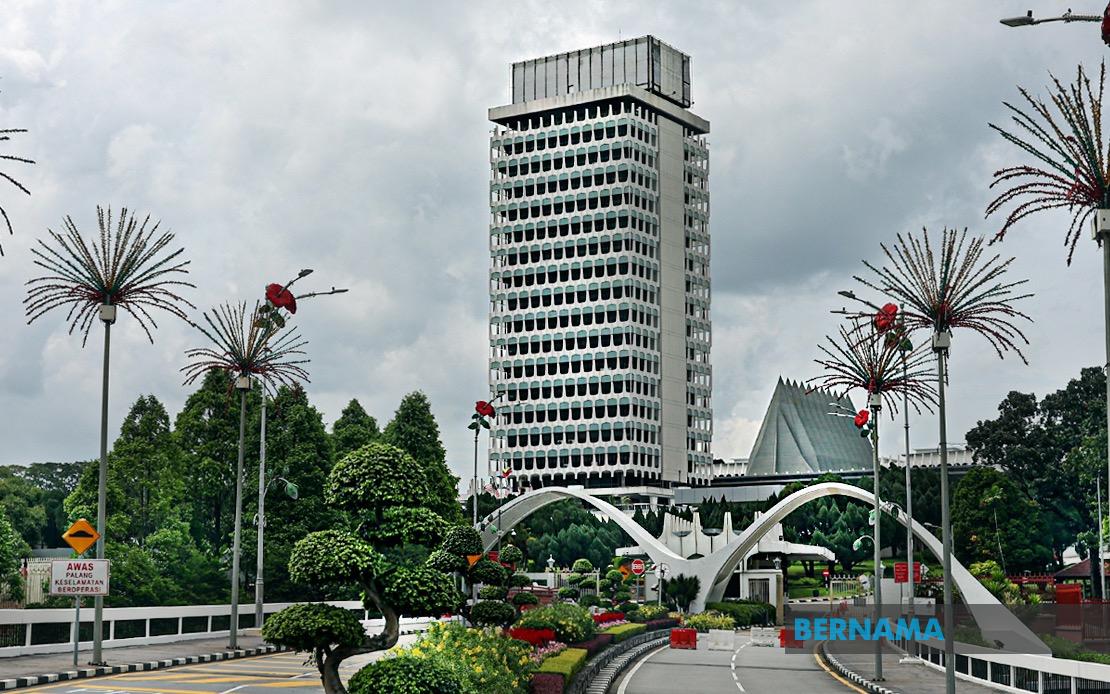
Parliament's legislative agenda this week places substantial emphasis on digital regulation and child protection, reflecting mounting concerns about online harms and vulnerability in Malaysia's education system. The Dewan Rakyat is convening for a 16-day session through July 16, with Wednesday's sitting expected to surface critical questions about how the newly established Online Safety Act 2025 (Act 886) will function in practice. These inquiries signal growing parliamentary scrutiny of whether government institutions can effectively translate sweeping regulatory powers into workable enforcement mechanisms that protect Malaysians without stifling legitimate digital expression.
Rodziah Ismail, the Ampang member from Pakatan Harapan, will press the Communications Minister to divulge particulars of ten subsidiary instruments currently under development to operationalise the landmark Online Safety Act. These supporting regulations and guidelines are foundational to the legislation's effectiveness, yet details remain largely opaque to lawmakers and the public. The legislator is specifically requesting clarification on the regulatory objectives underpinning each instrument, their substantive provisions, their intended scope of application, and the current trajectory of their formulation. This line of questioning underscores a legitimate tension in Malaysian governance: major legislative powers have been granted, but the administrative machinery to deploy them transparently remains incomplete. For regional observers, Malaysia's approach to balancing digital rights with child protection mirrors challenges facing other Southeast Asian democracies grappling with content regulation.
School safety has emerged as an equally pressing parliamentary concern, with Roslan Hashim from Perikatan Nasional's Kulim Bandar Baharu constituency requesting substantive assurances from the Education Minister. His inquiry focuses on the comprehensive safety picture across Malaysian schools nationwide, seeking explicit details on systemic measures designed to eliminate accidents, eliminate bullying incidents, and neutralise other threats to student wellbeing. This question arrives amid growing public anxiety about violence in schools and psychological harm, particularly following high-profile bullying cases that have reached national attention. The breadth of his inquiry—encompassing physical safety, peer-to-peer harm, and unspecified threats—indicates that school administrators face multifaceted challenges requiring coordinated responses across infrastructure, teacher training, counselling services, and disciplinary frameworks.
Economic pressures stemming from the prolonged West Asia conflict feature prominently in parliamentary deliberations, reflecting the tangible economic ripple effects that regional instability produces across Malaysia's entrepreneurial landscape. Datuk Andi Muhammad Suryady Bandy, representing Kalabakan for Barisan Nasional, will appeal to the Finance Minister for urgent intervention to stabilise small traders, hawkers, and the broader micro, small and medium enterprise sector. The immediate trigger is escalating logistics expenditure and supply chain fractures precipitated by shipping disruptions, port congestion, and elevated insurance premiums affecting routes through the region. Malaysian merchants, particularly those operating with thin profit margins in wholesale trade, food service, and retail distribution, face margin compression that threatens business viability. The government's response to this segment will signal whether Putrajaya prioritises targeted intervention or market-based adjustment mechanisms.
Transportation infrastructure development in Johor will also warrant parliamentary scrutiny, with Datuk Seri Dr Wee Ka Siong requesting a comprehensive progress update on the Johor Elevated Autonomous Rapid Transit (E-ART) project from the Transport Minister. This elevated transit initiative represents a flagship infrastructure commitment intended to ease congestion in the state's major urban centres and enhance connectivity between Johor Bahru and satellite communities. The project's timeline, funding status, and technical specifications remain subjects of public interest, particularly among commuters and businesses in the state. Such infrastructure investments shape regional competitiveness and quality of life, making parliamentary oversight essential to maintain accountability and public confidence.
Road safety implementation will be interrogated when Zakri Hassan, the Kangar representative from Perikatan Nasional, challenges the Works Minister to substantiate recent policy decisions affecting traffic safety measures across Malaysian highways and urban thoroughfares. Though the original report is incomplete, this inquiry suggests concerns about specific road safety initiatives, their justification, or their effectiveness. Road fatalities remain stubbornly high across Southeast Asia, and Malaysia has pursued various engineering, enforcement, and education strategies with mixed results. Parliamentary questioning ensures that expensive infrastructure modifications and regulatory changes face evidential scrutiny rather than proceeding without public justification.
Sabah's healthcare infrastructure and funding stability concerns will be raised by Datuk Shahelmey Yahya representing Putatan, who will seek the Health Minister's pledge that fiscal adjustment policies will not compromise service delivery or infrastructure expansion in Sabah's public healthcare system. This regional equity concern is significant: Sabah, as an eastern Malaysian state with dispersed populations, geographic challenges, and limited private medical infrastructure, depends substantially on robust public health institutions. Any national reallocation of healthcare resources or efficiency measures that inadvertently disadvantage Sabah could exacerbate access disparities for rural and remote communities already facing geographic constraints on medical care availability.
Cybersecurity implications of proposed social media age restrictions will command parliamentary attention through Riduan Rubin, the Independent member for Tenom, who will ask the Home Affairs Minister to articulate how national cybersecurity risk assessments have informed discussions about introducing a minimum 16-year-old age requirement for social media platform access. This question bridges child safety, digital governance, and national security considerations. Implementing age-gated restrictions requires verification mechanisms that inherently involve identity data collection and verification—introducing cybersecurity vulnerabilities if systems are inadequately secured. The question signals that some parliamentarians are thinking systematically about whether child-protection measures inadvertently create new security risks or impose costs that outweigh benefits.
The parliamentary calendar also includes second reading of the Competition (Amendment) Bill 2026, to be tabled by the Minister of Domestic Trade and Cost of Living. This legislation addresses market competition frameworks, potentially encompassing merger review procedures, enforcement powers, or substantive competition standards. Competition law reform touches core economic matters affecting consumer pricing, business entry barriers, and monopolistic practices—issues of substantial consequence for Malaysian households and entrepreneurs navigating increasingly concentrated markets in telecommunications, retail distribution, and financial services.
Collectively, this week's parliamentary agenda reflects governing priorities spanning digital governance modernisation, child protection, economic resilience amid geopolitical disruption, regional development equity, healthcare delivery stability, and competitive market functioning. The breadth of topics underscores Parliament's role as a forum where constituent concerns receive structured examination, compelling ministers to articulate policy rationales publicly and confront evidence-based challenges to government decision-making. For Malaysian constituents and regional observers, this legislative sitting reveals both the substance of contemporary governance challenges and the extent to which elected representatives maintain scrutiny over executive authority.

