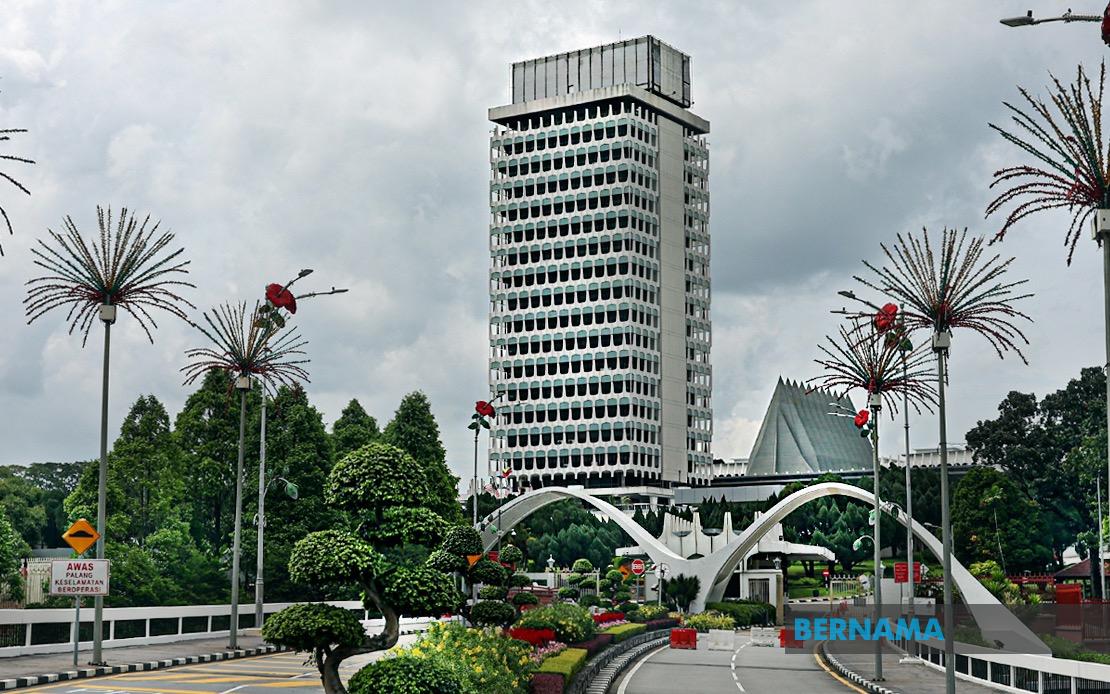
The Dewan Rakyat will turn its attention today to the mounting effects of instability in West Asia on Malaysia's tourism trajectory, alongside pressing security concerns at the nation's maritime boundaries. The parliamentary sitting, which commenced recently and will extend through July 16, features several substantive questions that reflect growing anxieties about how regional conflict reverberates through Malaysian economic and security interests.
Dr Ahmad Fakhruddin Fakhrurazi, representing Kuala Kedah under the Perikatan Nasional banner, will press the Tourism, Arts and Culture Minister for a comprehensive assessment of how the West Asian conflict has suppressed visitor numbers from critical source markets. The three regions of particular concern—the Middle East itself, Europe, and the wider West Asian sphere—represent substantial revenue streams for Malaysia's hospitality sector. Beyond identifying the damage already sustained, lawmakers seek clarity on what governmental mechanisms and promotional strategies are being deployed to restore confidence among international travellers and rebuild momentum in a sector that contributes significantly to employment and foreign exchange earnings. This line of questioning reflects an understanding that tourism recovery requires not merely waiting for geopolitical conditions to improve, but proactive government intervention to reassure and attract visitors.
The security dimension of today's parliamentary agenda proves equally consequential. Datuk Mohd Suhaimi Abdullah, the Langkawi representative from Perikatan Nasional, will interrogate the Home Minister on the operational readiness of security apparatus stationed in Langkawi to combat migrant smuggling and the illicit trafficking of controlled goods. Langkawi's strategic position adjacent to the Malaysia-Thailand maritime boundary creates acute vulnerabilities that criminals routinely exploit. The questions posed will seek assurances that defensive capabilities—both conventional assets and personnel—are sufficiently provisioned and coordinated to counter these threats effectively. Significantly, Datuk Mohd Suhaimi will also raise whether the government intends to expand its deployment of unmanned aerial vehicles, or drones, in border surveillance operations, building on previous applications for such technology. The integration of UAV systems represents a modernisation imperative for Malaysia's coastal security infrastructure, particularly in regions where geographical constraints and transnational criminal networks converge.
The parliamentary agenda also encompasses environmental and conservation challenges that intersect with human welfare. Manndzri Nasib, the Tenggara member affiliated with Barisan Nasional, will question the Natural Resources and Environmental Sustainability Minister regarding the effectiveness of recently enhanced Ecological Fiscal Transfer allocations and community programmes run by PERHILITAN in addressing the escalating crisis of human-elephant conflict. These confrontations, which claim lives on both human and animal sides with increasing frequency, require sustained funding and coordinated action. Manndzri's questions will also probe the ministry's strategy for expanding the Electric Fencing for Elephants system, known locally as SPEG, to shield rural communities and livestock from deadly encounters. This reflects an emerging consensus that conservation and development must proceed in tandem, with technological solutions protecting both ecological integrity and community safety.
Housing affordability, a perennial concern for Malaysian policymakers and younger citizens alike, surfaces in questioning from Datuk Willie anak Mongin of GPS representing Puncak Borneo. He will demand specificity on the housing crisis, requesting a granular breakdown of unsold affordable units across states and price points. Beyond inventory, Datuk Willie seeks data on actual homeownership rates among Malaysians under thirty-five, disaggregated by state and parliamentary constituency. This information gap has long frustrated policy development, as government housing initiatives often proceed without precise knowledge of uptake patterns or residual barriers that discourage young families from entering property markets. Reliable data of this nature could illuminate whether affordability programmes genuinely reach their intended beneficiaries or whether structural impediments persist.
Two legislative measures advance toward substantive debate during the sitting. The Sexual Offences against Children (Amendment) Bill 2026 represents continued parliamentary effort to strengthen protections for vulnerable minors through refined criminal law frameworks. Concurrently, the Employment Insurance System (Amendment) Bill 2025 addresses worker protections in an economy experiencing structural transformation. Both bills warrant careful scrutiny, as they shape the legal environment governing family security and labour relations across Malaysia's diverse workforce. Their passage or modification during this sitting will carry implications extending far beyond parliamentary chambers into households and workplaces nationwide.
The sixteen-day parliamentary session through July 16 thus encompasses several intersecting policy domains—tourism competitiveness, border security modernisation, environmental conservation, housing accessibility, and statutory reform. Collectively, these questions and bills reveal Parliament's engagement with challenges that increasingly define Malaysia's position within the region. West Asian volatility, transnational crime, climate-driven human-wildlife conflict, youth economic participation, and social protection all demand sustained legislative attention and coordinated executive response. How lawmakers and ministers navigate these interconnected issues will largely determine whether Malaysia emerges from current turbulence with strengthened institutions and equitable prosperity, or whether institutional weaknesses allow emerging problems to deepen into structural crises.

