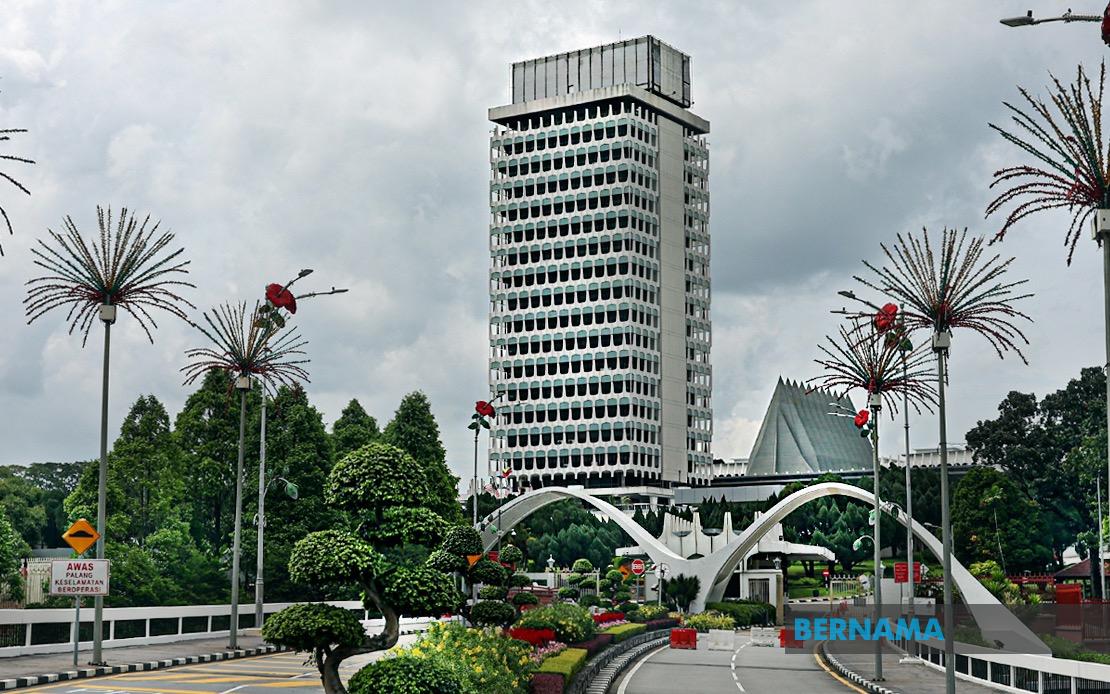
Prime Minister Datuk Seri Anwar Ibrahim is pushing for a special Parliament sitting to examine the findings of the Royal Commission of Inquiry into Lembaga Tabung Haji (TH), signalling the government's commitment to transparency around the pilgrimage fund's troubled finances. Speaking in Seremban on July 29, Anwar indicated that such a sitting has been preliminarily approved but requires formal scheduling by Dewan Rakyat speaker Tan Sri Dr Johari Abdul. The timeline remains flexible, though the Prime Minister has urged that proceedings commence at the earliest opportunity to allow lawmakers adequate opportunity to familiarise themselves with the detailed report before engaging in comprehensive parliamentary debate.
The decision to convene a dedicated sitting underscores the gravity with which the Cabinet regards the RCI investigation into Malaysia's largest pilgrimage savings institution. Beyond the findings from inquiries conducted in 2014 and 2017, the Cabinet's mandate extends to encompassing subsequent developments through 2018, 2019, and 2020, as well as assessing the rehabilitation measures implemented in the interim. This expanded scope suggests the government intends a thorough airing of governance failures and remedial actions, rather than a narrow examination of a single troublesome period. The special sitting format itself—dedicated to one topic rather than interspersed with routine parliamentary business—reflects the volume and complexity of material requiring discussion.
Tabung Haji has long been scrutinised for financial irregularities and governance shortcomings affecting the savings of Malaysian Muslim pilgrims. The fund's difficulties have become emblematic of institutional dysfunction in the management of public resources entrusted to government-linked entities. For Malaysian voters, particularly the predominantly Malay and Muslim demographic that comprises the fund's membership, the forthcoming parliamentary examination carries significant weight. The special sitting will provide an opportunity for elected representatives to interrogate officials, examine the RCI's conclusions, and gauge the government's preparedness to implement corrective measures and hold accountable those responsible for any misconduct.
Anwar's explicit commitment to a swift parliamentary discussion reflects broader governance pledges made by his administration since assuming office three and a half years prior. The MADANI government has positioned itself as prioritising institutional accountability and public transparency, contrasting itself with predecessors accused of obscuring financial malfeasance and governance lapses. By insisting on an open, dedicated debate rather than permitting the RCI report to languish unpublicised in filing cabinets, the administration seeks to demonstrate responsiveness to public concern and adherence to democratic accountability principles. However, the actual quality of parliamentary debate will ultimately determine whether the sitting constitutes genuine scrutiny or largely theatrical proceedings.
The RCI's investigation arrives at a moment when Malaysian institutional trust remains fragile following years of high-profile corporate scandals involving public funds, from 1Malaysia Development Berhad to various state-level financial improprieties. Tabung Haji's particular significance derives from its role as a trusted custodian of ordinary Malaysians' savings, rather than a foreign venture fund or development entity. When institutions specifically tasked with safeguarding citizens' assets prove compromised, the reputational damage extends beyond those directly affected to undermine confidence in government capacity to manage public resources responsibly. The parliamentary sitting therefore carries implications transcending the pilgrim community alone.
For Southeast Asian observers monitoring Malaysian governance trajectories, the government's response to the RCI findings carries instructive weight. The region has grappled persistently with questions of institutional integrity and the effectiveness of anti-corruption mechanisms when applied to politically sensitive or systemically embedded malfeasance. Malaysia's handling of the Tabung Haji matter—whether resulting in substantive reforms, prosecutions, and institutional restructuring or merely producing procedural compliance—will provide data on whether Southeast Asian democracies can meaningfully address financial mismanagement within state enterprises without political calculation overwhelming accountability principles.
The proposed special sitting also reflects practical parliamentary reality. Standard parliamentary sessions, with their diverse agenda encompassing legislation, ministerial statements, and routine business, provide limited opportunity for sustained examination of complex technical and financial matters. Dedicating an entire sitting to the RCI report creates temporal and procedural space for detailed questioning and substantive responses that rushed interjections during question time cannot accommodate. For serious-minded parliamentarians determined to understand the RCI's methodology, conclusions, and recommendations, this format offers genuine utility. Nevertheless, the value ultimately depends on participation quality, with some lawmakers utilising parliamentary privilege for grandstanding whilst others undertake genuine investigative inquiry.
Anwar's explicit proposal also serves a strategic communication function, demonstrating governmental eagerness to confront inconvenient institutional realities rather than burying adverse findings. In an environment where public cynicism regarding governmental transparency remains widespread, such symbolic commitments to parliamentary discussion carry political weight. Whether the sitting translates into meaningful consequences for implicated officials and comprehensive institutional reform remains uncertain, but the willingness to facilitate open parliamentary examination at least creates the possibility for democratic accountability mechanisms to function as intended.
The timing and substance of subsequent government action will ultimately determine whether the special sitting catalyses genuine institutional renovation or serves as political theatre permitting the government to claim responsiveness whilst protecting favoured officials or implementable remedial measures remain inadequate. Malaysian citizens and observers should scrutinise not merely the parliamentary debate itself but the government's implementation record in subsequent months—whether prosecutions proceed against implicated parties, whether structural reforms address root causes of mismanagement, and whether Tabung Haji's governance architecture fundamentally improves or merely undergoes cosmetic adjustment. The special sitting announcement represents an opening opportunity for parliamentary accountability; the genuine test arrives in the aftermath.

