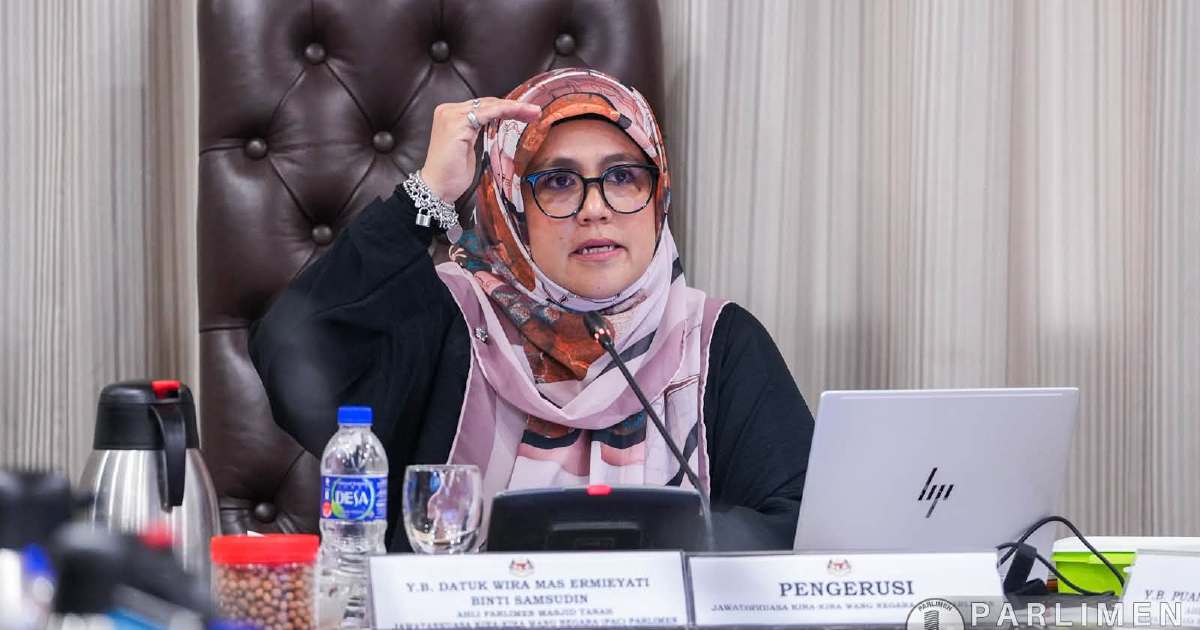
Parliament's Public Accounts Committee has voted unanimously to launch a comprehensive investigation into the operational and administrative deficiencies at Lembaga Tabung Haji, the state-owned institution responsible for managing savings and investments on behalf of Muslim pilgrims. The decision represents a significant escalation in parliamentary oversight and reflects growing concerns about how the organisation has managed its affairs and the public resources entrusted to it.
The move comes amid mounting pressure to improve transparency and accountability at TH, which serves as a critical financial intermediary for millions of Malaysian Muslims preparing for the Hajj pilgrimage to Mecca. The institution holds substantial deposits from contributors who view it as a secure repository for their savings whilst they fulfil one of Islam's five pillars. Any governance lapses or investment missteps therefore carry serious implications for depositors' financial security and public confidence in Islamic financial institutions.
The PAC inquiry will examine three interconnected areas of concern. First, the committee will scrutinise TH's internal governance frameworks, including board structures, management decision-making processes, and oversight mechanisms designed to prevent mismanagement. Second, it will conduct a detailed audit of the organisation's financial practices, seeking to understand how funds have been allocated, invested and accounted for. Third, the probe will investigate the performance and appropriateness of TH's investment strategies, which have occasionally diverged from conservative, Shariah-compliant approaches that depositors might reasonably expect.
The unanimous nature of this parliamentary decision is particularly significant. It demonstrates cross-party consensus that TH requires independent scrutiny, bridging political divides that often characterise Malaysian parliamentary debates. Such unanimity suggests the concerns are not partisan but rather reflect genuine systemic issues that warrant investigation across the political spectrum. This bipartisan approach may also enhance the credibility and acceptance of the committee's eventual findings among stakeholders.
For Malaysian savers, this development carries both reassuring and cautionary elements. The PAC's willingness to investigate suggests Parliament is taking seriously its duty to protect the interests of ordinary citizens whose savings rest with the institution. However, the necessity for such an inquiry also implies that existing safeguards may have proven inadequate, raising questions about how TH's troubles escalated to the point where parliamentary intervention became necessary. Depositors may reasonably wonder whether their funds have been adequately protected throughout the period when governance deficiencies apparently went unaddressed.
TH's governance challenges must be understood within the broader context of Malaysia's sovereign wealth management and Islamic financial regulation. As a government-linked institution managing both depositor funds and state-backed investments, TH occupies a unique position that combines retail banking functions with large-scale asset management responsibilities. This dual mandate creates inherent tensions that require sophisticated governance frameworks and robust risk management. When such frameworks falter, the consequences ripple through Malaysia's Islamic finance ecosystem, potentially undermining confidence in similar institutions.
The investment dimension of this inquiry carries particular importance for Southeast Asian financial markets. TH has historically pursued diverse investment strategies, including real estate, equity portfolios, and international ventures. Some of these decisions have attracted criticism for straying from traditional deposit-taking and pilgrimage financing functions. By examining TH's investment weakness, the PAC will effectively be evaluating whether a specialised Islamic financial institution serving a specific community should maintain focused investment mandates or whether diversification strategies, even when they generate returns, represent imprudent departures from core responsibilities.
The timing of this parliamentary action reflects broader regulatory trends across Southeast Asia, where governments increasingly scrutinise large institutional investors and wealth managers. Malaysia is not alone in examining how state-controlled entities manage public assets. This inquiry therefore contributes to a regional conversation about institutional accountability, professional standards in fund management, and the respective roles of government, regulators, and independent oversight bodies in protecting savers.
The investigation will likely require extensive documentation review, stakeholder interviews, and financial analysis spanning several years of TH operations. The committee will probably examine board minutes, investment committee records, audit reports, and communications between senior management and government overseers. Given the scale of TH's operations and the complexity of its investment portfolio, this inquiry could take considerable time to complete thoroughly. Nevertheless, the PAC's unanimous commitment suggests Parliament intends to pursue this matter to meaningful conclusions rather than allowing it to languish.
For TH's leadership and staff, this parliamentary action signals elevated accountability expectations. Current and former management may face tough questioning about specific decisions, particularly those involving substantial investments or significant financial losses. The institution will need to cooperate fully with the inquiry whilst simultaneously maintaining operational continuity and depositor confidence. This balance presents genuine challenges, particularly if the investigation uncovers embarrassing details that become public through parliamentary proceedings.
The implications extend beyond TH itself to broader questions about institutional governance in Malaysia's public sector. If the PAC identifies systemic weaknesses—inadequate board expertise, insufficient risk oversight, unclear reporting lines, or insufficient internal audit resources—these findings could catalyse governance reforms across multiple government-linked entities. Other state institutions managing substantial public or community assets may face similar scrutiny should they exhibit comparable vulnerabilities.
As the investigation unfolds, Malaysian Muslims contributing to TH and ordinary citizens with indirect stakes in the institution's stability will be watching closely. The PAC's findings and subsequent reforms may determine whether TH can restore full public confidence or whether more fundamental restructuring becomes necessary. For now, the unanimous decision to proceed with investigation demonstrates Parliament's commitment to accountability, though the real test lies in whether the investigation yields meaningful reforms that genuinely protect depositors and improve institutional stewardship.

