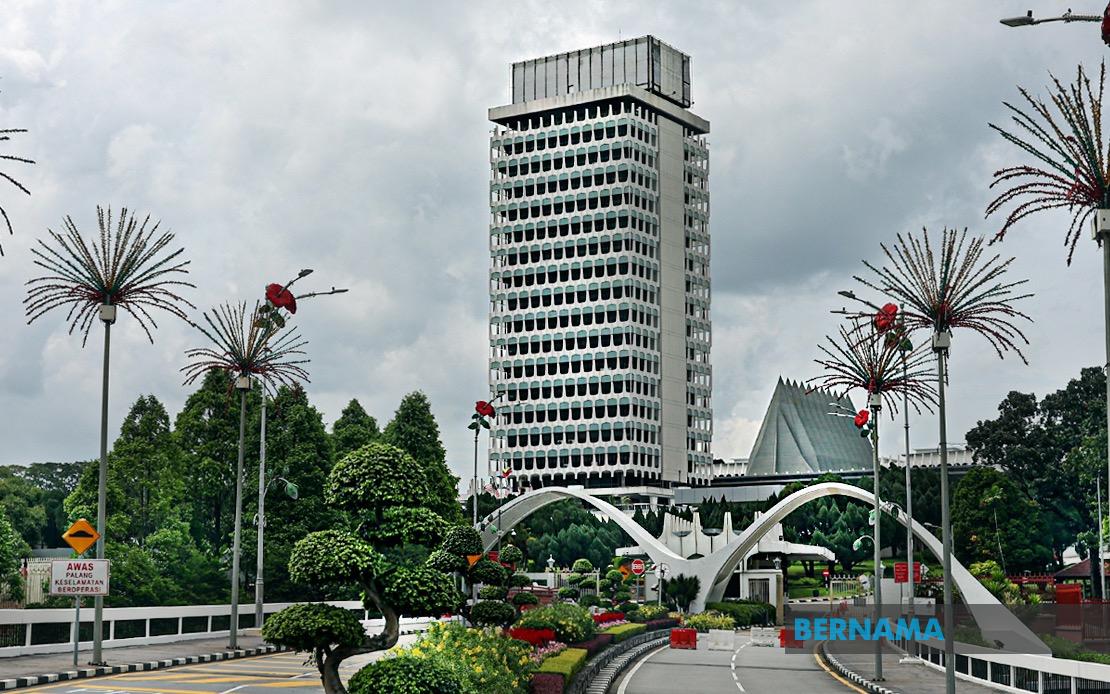
The Dewan Rakyat is set to grapple with several pressing national challenges today, with lawmakers focusing particular attention on the financial vulnerabilities facing Malaysia's micro, small and medium enterprise sector. During Minister's Question Time beginning at 10 am, parliamentarians will scrutinise government policies designed to address the growing struggle among MSME entrepreneurs to obtain adequate financing for operational sustainability. This inquiry comes at a critical juncture for Malaysia's business landscape, where access to capital remains a fundamental constraint limiting entrepreneurial growth and economic diversification across regions.
Lee Chuan How, the Ipoh Timor representative from the Pakatan Harapan coalition, will directly challenge the MADANI Government administration regarding its awareness of widespread financing difficulties plaguing the MSME community. The question targets whether policymakers recognise the severity of credit constraints affecting business operators who form the backbone of Malaysia's economy. Securing affordable and accessible financing remains among the most frequently cited barriers preventing smaller enterprises from scaling operations, investing in technology, or weathering economic downturns. The government's response will indicate whether additional funding mechanisms or policy reforms are being contemplated to alleviate this structural challenge.
In parallel, Ahmad Fadhli Shaari from Pasir Mas under the Perikatan Nasional banner will direct parliamentary attention toward Malaysia's deteriorating international media freedom standing. The nation's ranking in the 2026 World Press Freedom Index has slipped to 95th position, representing a concerning decline from the previous year's 88th place standing. This downward trajectory raises questions about the state of press independence and editorial autonomy within the Malaysian media landscape. Fadhli will seek comprehensive explanations regarding government initiatives designed to protect and strengthen media freedom, a cornerstone of democratic governance and public accountability.
The media freedom issue carries particular resonance for Southeast Asia, where several nations grapple with balancing security concerns against journalistic independence. Malaysia's declining ranking suggests that international observers perceive growing constraints on reporting freedom or editorial decision-making. Parliamentary scrutiny of this matter signals recognition that media health directly influences governance transparency and citizen engagement. The government's response will likely outline measures aimed at demonstrating commitment to press freedom while addressing security or regulatory considerations that may be contributing to perceptions of tightening restrictions.
Aminolhuda Hassan, representing Sri Gading within the Pakatan Harapan coalition, will raise a question concerning elderly worshippers' accessibility within religious spaces. Specifically, Hassan will explore whether the government contemplates establishing a Senior Citizens-Friendly Fund to facilitate mosque and surau installations of disability accommodation features including wheelchair ramps and accessible toilet facilities. This inquiry reflects growing recognition that religious infrastructure must accommodate Malaysia's aging population and individuals with mobility challenges. Accessible worship spaces represent an equity issue that intersects religious inclusion, aging society demographics, and public infrastructure standards.
The accessibility question underscores broader Malaysian concerns about whether public and semi-public facilities adequately serve populations with varying mobility needs. Mosques and suraus serve as vital community spaces where elderly Malaysians participate in religious observance, social connection, and civic engagement. When these facilities lack appropriate accessibility features, elderly congregants face practical barriers to participation. Parliamentary examination of potential funding mechanisms signals that lawmakers recognise this gap and are considering targeted solutions rather than relying solely on individual facility operators to address accessibility independently.
Beyond these ministerial questions, the parliamentary sitting schedule includes significant agenda items requiring legislative attention. The Dewan Rakyat will review the 2024 Annual Report and Financial Statement from the Human Rights Commission of Malaysia, commonly known as SUHAKAM. This examination provides opportunity for parliamentarians to assess the commission's effectiveness in investigating complaints, promoting human rights awareness, and advancing Malaysia's rights-protection framework. SUHAKAM reports offer valuable insight into the nature and frequency of human rights concerns documented across the nation, informing policy discussions.
Following the SUHAKAM report discussion, parliament will resume deliberation on the Constitution (Amendment) (No. 2) Bill 2026, a significant piece of constitutional engineering designed to restructure Malaysia's highest legal and prosecutorial positions. This legislation proposes separating the roles of Attorney General and Public Prosecutor into distinct offices, ending the historical consolidation of these roles within a single individual. Constitutional reform of this magnitude carries profound implications for judicial independence, prosecutorial autonomy, and the separation of powers framework governing Malaysia's government structure.
The separation of Attorney General and Public Prosecutor functions represents a constitutional modernisation addressing longstanding concerns about concentration of legal authority. Proponents argue that distinct offices enhance institutional independence and reduce potential conflicts of interest, while critics may contend that separation introduces complexity into prosecution coordination. International best practices show varied approaches, with some democracies maintaining unified legal leadership while others employ separate structures. Malaysia's constitutional amendment reflects ongoing recalibration of governance institutions responding to democratic development and institutional accountability priorities.
These diverse parliamentary matters collectively demonstrate sustained legislative engagement with economic competitiveness, democratic governance, social inclusion, and constitutional development. The MSME financing conversation speaks to economic resilience; the media freedom discussion addresses democratic foundation stones; the accessibility inquiry reflects social equity consciousness; and the constitutional amendment debate shapes institutional architecture. This multiplicity of urgent issues underscores the complex governance agenda confronting Malaysian parliamentarians as they balance immediate constituent concerns against systemic institutional improvement. How effectively parliament addresses these interconnected challenges will significantly influence Malaysia's economic trajectory, democratic health, and social cohesion during this consequential parliamentary session.

