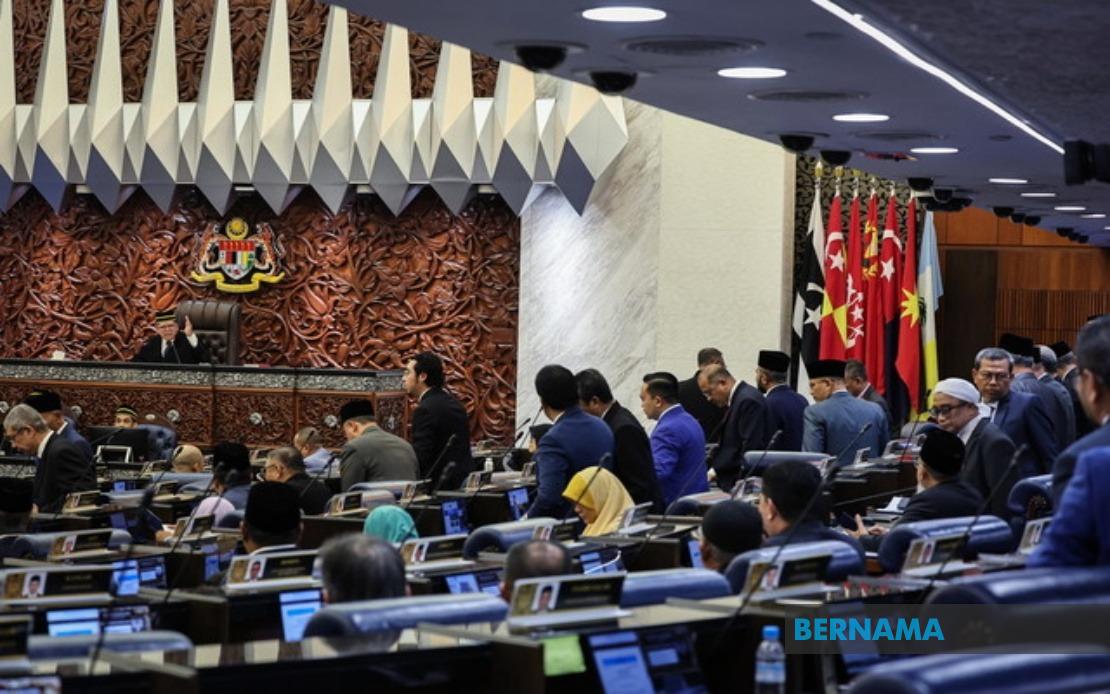
The opposition's decision to walk out of the Dewan Rakyat during debate on the Lembaga Tabung Haji (TH) Royal Commission of Inquiry report has reignited questions about parliamentary tactics and whether such demonstrations serve the interests of the millions of Malaysians with savings in the troubled pilgrimage fund. Opposition Leader Datuk Seri Hamzah Zainudin, alongside other Perikatan Nasional (PN) lawmakers including PN Chief Whip Datuk Seri Takiyuddin Hassan and PN chairman Datuk Seri Dr Samsuri Mokhtar, left the chamber rather than participate in substantive discussion of the RCI's findings, which were released publicly on July 29 following government approval.
The walkout was triggered by the absence of Prime Minister Datuk Seri Anwar Ibrahim and Deputy Prime Minister Datuk Seri Fadillah Yusof, both currently receiving medical treatment. Takiyuddin had moved for the special sitting to be adjourned rather than proceed without these key government figures present. The gesture carried symbolic weight—suggesting that a debate of such national importance deserved the participation of Malaysia's highest elected officials. Yet the decision to abandon the chamber entirely, rather than remain and press the government's accountability, has drawn scrutiny from political analysts who question whether spectacle has supplanted substance in contemporary parliamentary opposition strategy.
Prof Datuk Dr Sivamurugan Pandian from Universiti Sains Malaysia's School of Social Sciences offered nuanced analysis of the walkout, characterizing it primarily as a political protest manoeuvre targeting the Prime Minister's non-attendance rather than a focused campaign on behalf of TH depositors. The distinction matters considerably, as the reputational stakes for the opposition are high. Tabung Haji serves as a crucial savings mechanism for millions of Malaysian Muslims preparing for the Hajj pilgrimage, and any perception that opposition figures are using the fund's difficulties as mere fodder for partisan theatre risks damaging their credibility on a profoundly significant issue.
What complicates the narrative is the divergence within the opposition bloc itself. Not all PN MPs chose to walk out, revealing internal disagreements about whether the tactic was strategically sound. This fracture suggests that even among those united in opposing the government, there is recognition that abandoning Parliament during a critical debate carries substantial political risk. The decision by some opposition members to remain in the chamber and engage with the RCI findings demonstrates that alternative approaches existed—approaches that would have allowed them to challenge government positions while remaining present to advocate for depositor protection measures.
The academic's assessment highlighted a fundamental tension between symbolic protest and substantive legislative work. A walkout generates immediate media attention and conveys displeasure with government leadership's absence from such an important session. However, it simultaneously surrenders the most powerful platform available to an opposition—the parliamentary record. Every argument raised, every statistic presented, every policy proposal advanced during the RCI debate enters the official record and becomes part of the institutional memory that shapes future policy discussion. A journalist's report of a walkout fades quickly; a transcript of parliamentary testimony endures.
Pandian argued that by remaining in the chamber, the opposition could have deployed far more effective pressure on the government. Detailed questioning of the RCI's findings, rigorous examination of the recommendations, and presentation of alternative solutions would have been documented for posterity. These materials could be weaponized in future political campaigns, cited in media analysis, and used to hold the government accountable when implementing—or failing to implement—TH reforms. Walking out forfeits these opportunities, leaving the government largely uncontested in shaping the debate's terms.
Yet the analyst did acknowledge the symbolic significance of the Prime Minister's absence. For the opposition to participate fully in debate without the nation's leader present could be interpreted as tacit acceptance of a hierarchical arrangement where Parliament functions adequately without the executive's top tier. The walkout signals that such an arrangement is beneath the dignity of a matter of such weight. TH is not a minor procedural matter; it represents the accumulated life savings and pilgrimage aspirations of millions of Malaysians. The opposition's argument that the Prime Minister should present himself to defend government actions carries legitimacy.
The tension between these competing considerations reveals a deeper challenge facing Malaysia's parliamentary system. How should opposition lawmakers balance the impulse to challenge government through dramatic gestures against the imperative to use every available mechanism to advance the people's interests? The walkout satisfies the former while potentially compromising the latter. Had the opposition remained, they could have presented themselves as the serious architects of reform while the government faced accusations of disrespect toward the institution.
For Malaysian depositors in Tabung Haji, the practical implications are troubling. Whether the debate proceeds with full parliamentary participation or is abandoned by portions of the legislature, the underlying problems afflicting the fund remain unchanged. Investment losses, governance questions, and compensation mechanisms all require serious legislative attention and rigorous scrutiny. A parliament fractured by walkouts becomes less effective at providing that scrutiny, regardless of which side initiates the breach. The depositors' true interests lie in robust, continuous parliamentary pressure for answers and reforms.
The RCI report's public release itself represents a significant development that frames this debate's importance. The government's decision to share the commission's findings with the public signals recognition that TH's difficulties warrant transparency. The opposition's opportunity to interrogate these findings on the parliamentary record, to highlight gaps in proposed solutions, and to propose stronger measures would have constituted a more powerful response than physical absence from the chamber. Such engagement would have positioned the opposition as custodians of depositor interests, using Parliament as intended—as a forum where the powerful are held accountable and alternatives are articulated.
The walkout also raises questions about opposition unity and strategy moving forward. When different PN MPs assess the same situation and reach different conclusions about appropriate response, it suggests the coalition lacks either clear strategic doctrine or sufficient internal discipline to enforce a common line. For voters evaluating opposition credibility, such divisions can undermine confidence in their capacity to govern effectively. A unified opposition, by contrast, might have achieved the same symbolic protest while maintaining a coordinated parliamentary presence to press substantive demands.
Moving beyond this particular episode, the walkout illuminates broader challenges in contemporary Malaysian politics. Parliament functions best when both government and opposition engage substantively with policy questions, creating a robust record of debate that informs future decision-making and holds institutions accountable. Walkouts, while occasionally justified as expressions of extreme displeasure, carry costs that extend beyond the immediate moment. Each such departure erodes the institution's effectiveness as a mechanism for democratic accountability, reducing Parliament to a stage for theatre rather than a serious venue for governance.
For Tabung Haji depositors, the lesson is sobering. Their interests are served not by dramatic political gestures but by sustained, detailed parliamentary scrutiny of the fund's management, the government's reform plans, and the adequacy of compensation mechanisms. Whether opposition or government holds power, the depositors need legislators who remain engaged, who press difficult questions, and who maintain the pressure until reforms are implemented. The walkout, whatever its symbolic value, represented a step away from that essential commitment.

