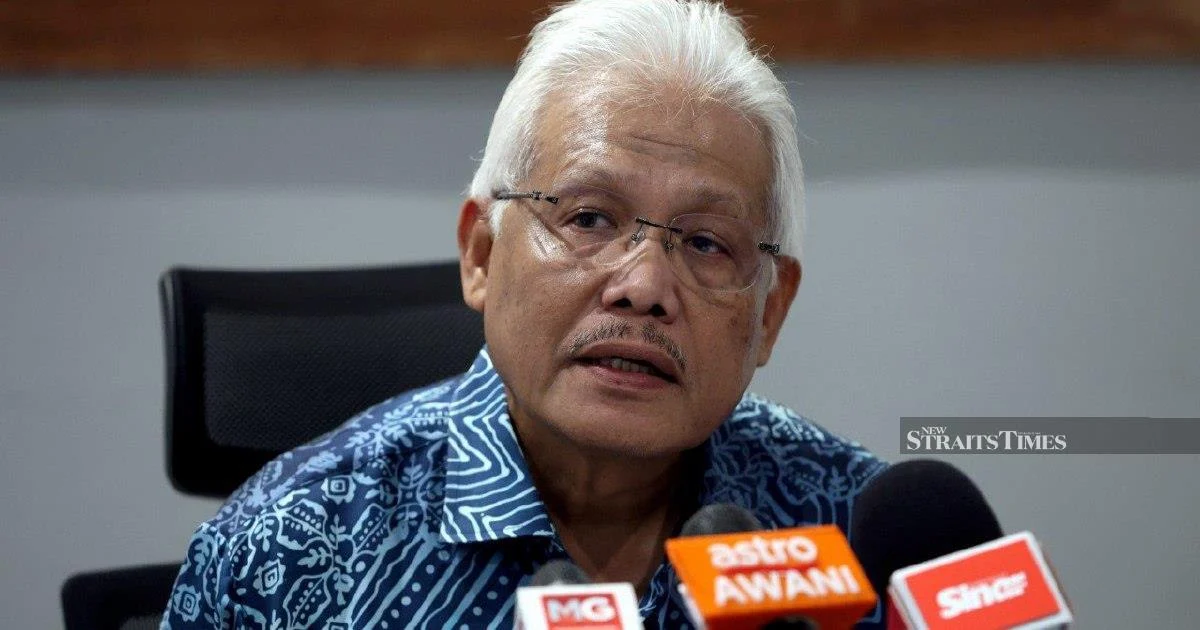
Parti Wawasan Negara has declared its willingness to serve as a diplomatic intermediary between two of Malaysia's most influential Malay-Muslim parties, PAS and UMNO, in an effort to consolidate political strength within the community and avert the kind of rifts that could weaken governance and public welfare. The repositioning represents a strategic shift for the party, which rebranded from its previous incarnation as Parti Cinta Malaysia, as it seeks to carve out a meaningful role in Malaysia's fractured political landscape.
The initiative, spearheaded by party leadership including Hamzah Zainudin, reflects growing concerns among moderate political figures about the consequences of deepening divisions within Malay-Muslim constituencies. Historical precedent shows that when competing parties within the same demographic bloc fail to cooperate or coordinate, they not only fragment voter support but also create vacuums that opposition coalitions can exploit. The current political environment has seen heightened tensions between various Malay-Muslim formations, making the prospect of constructive dialogue increasingly valuable.
UMNO and PAS have maintained a complex relationship over decades, alternating between periods of cooperation and confrontation depending on broader political circumstances and leadership dynamics. Their relationship deteriorated significantly following the 1998 sacking of Anwar Ibrahim, which triggered a major realignment in Malaysian politics. While both parties share significant overlapping constituencies and conservative-Islamist ideological foundations, they have competed fiercely for influence, resources, and voter loyalty. Understanding this context is crucial for appreciating why a third party willing to mediate could potentially address genuine grievances on both sides.
PART Wawasan Negara's positioning as a neutral convener carries inherent advantages and limitations. The party lacks the institutional weight of either UMNO, which has governed Malaysia for most of its post-independence history and controls substantial patronage networks, or PAS, which has built extensive grassroots organizational capacity and maintains significant influence in several states. However, this relative independence from both parties could theoretically allow it to facilitate dialogue without being perceived as advancing the interests of one side over the other. Such neutrality is rare in Malaysia's winner-take-all political culture.
The concept of Malay political unity has evolved considerably in recent years, particularly following the 2018 general election when UMNO lost federal power for the first time. The subsequent period saw various attempts at reunification, including the formation of the Perikatan Nasional coalition between UMNO, PAS, and other parties. These experiments produced mixed results, sometimes stabilizing governments but other times deepening factional conflicts when power-sharing arrangements proved contentious. The challenge facing mediators like Parti Wawasan Negara is that unity efforts often founder on practical disputes over cabinet positions, state control, and policy directions rather than on fundamental ideological incompatibilities.
For Malaysian voters, particularly those in the Malay-Muslim majority, the fragmentation of this political bloc carries tangible consequences. When larger coalitions splinter, smaller parties receive disproportionate bargaining power, sometimes securing cabinet positions or policy concessions that do not reflect their vote share. This dynamic has contributed to instances where policy decisions favoured narrow sectional interests over broader public good. Conversely, excessive concentration of power within the Malay-Muslim bloc without internal competition can reduce accountability and responsiveness to constituent needs.
The rebranding from Parti Cinta Malaysia to Parti Wawasan Negara signals an attempt to broaden appeal beyond communal identity politics. The new name emphasizes national vision rather than exclusive love for Malaysia, potentially positioning the party as capable of serving as an honest broker in inter-community political negotiations. This messaging shift reflects lessons learned from the 2022 general election, when Malaysian voters demonstrated willingness to punish parties perceived as divisive or narrowly sectarian in their appeal. Building a mediating institution requires credibility among multiple constituencies.
Geographically, the success of such bridging efforts would likely vary significantly across Malaysian states. In Peninsular Malaysia, where both UMNO and PAS maintain strong organizational presence, a mediating party might facilitate cooperation at local and state levels. However, in regions where one party dominates overwhelmingly, such as PAS's strength in Terengganu and Kelantan, or UMNO's traditional bastions in certain districts, the incentive for cooperation through intermediaries diminishes. This suggests that any bridging efforts would need to be carefully calibrated to local political realities rather than applied as a one-size-fits-all national strategy.
The broader Southeast Asian context adds another dimension to Malaysia's internal Malay-Muslim political dynamics. Throughout the region, Islamic-oriented parties have grappled with similar tensions between sectarian particularism and national integration. Some neighbouring countries have successfully managed multiple Islamic parties within stable coalition frameworks, while others have experienced destabilizing competition. Malaysian political leaders, including those in Parti Wawasan Negara, have opportunities to study these regional experiences and adapt lessons to their own context.
For Parti Wawasan Negara, the mediator role offers both opportunities and dangers. Success in bridging PAS and UMNO could enhance the party's visibility and influence far beyond its current organizational capacity, positioning it as an essential political player in future coalition negotiations. However, failure to broker meaningful agreements could expose the party as ineffectual and lacking genuine influence with the two major players, undermining its credibility and marginalize it further. The party must therefore be strategic about which specific issues and levels of engagement it pursues.
The timing of Parti Wawasan Negara's initiative carries significance given Malaysia's electoral cycle and the possibility of early general elections. If the party can establish itself as a trusted intermediary before major electoral contests occur, it might position itself as a kingmaker in coalition negotiations. This prospect has animated much Malaysian political activity in recent years, with smaller parties attempting to amplify their significance through strategic positioning between larger competitors. Whether this approach yields sustainable political influence or merely temporary relevance remains an open question.
Looking forward, the success of bridging efforts between PAS and UMNO will ultimately depend on whether leaders of both parties perceive genuine mutual benefit from cooperation. Hamzah Zainudin and Parti Wawasan Negara can provide forums and facilitate communication, but cannot compel agreement on contentious matters such as the role of Islamic law, federal-state power distribution, and economic policy direction. The party's real value lies not in manufacturing false unity but in helping both larger parties recognize shared interests while respecting legitimate differences.

