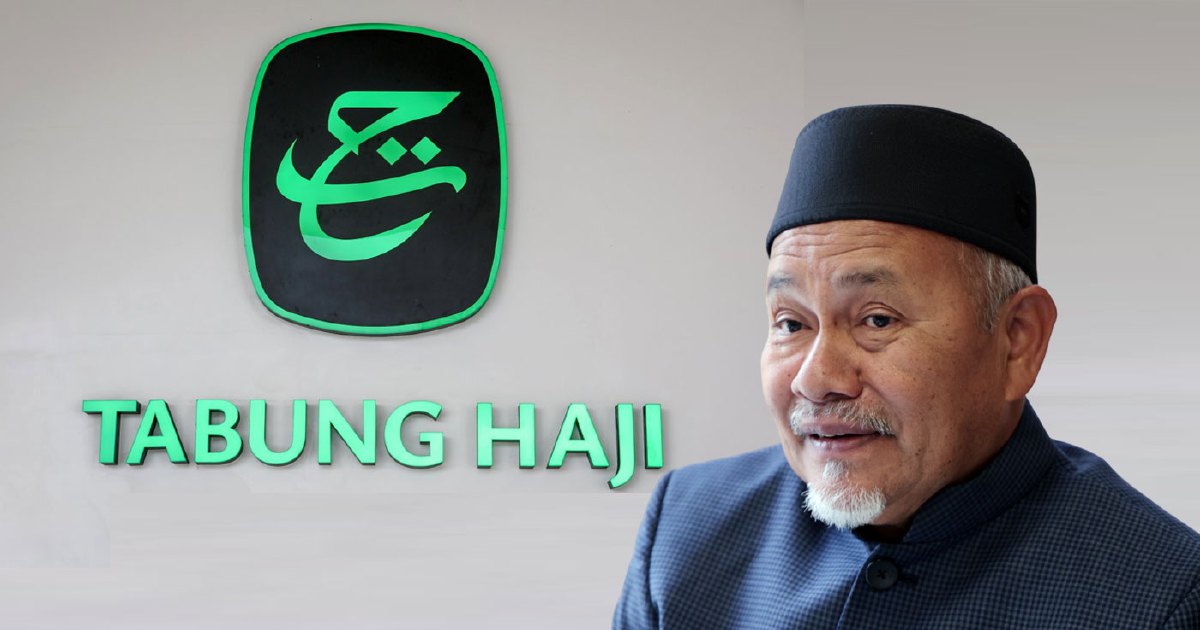
The Islamic party PAS has thrown its weight behind the government's initiative to arrange an extraordinary parliamentary session dedicated to discussing the findings of the Royal Commission of Inquiry into Tabung Haji, according to party deputy president Datuk Seri Tuan Ibrahim Tuan Man. The move represents political backing for what has become an increasingly contentious matter affecting millions of Muslim depositors nationwide who rely on the savings scheme managed by the pilgrimage fund.
Tuan Ibrahim's endorsement reflects PAS's recognition that the Tabung Haji issue carries significant weight among the Malaysian electorate, particularly the party's core constituency in rural and urban Muslim communities. By publicly welcoming the parliamentary sitting, PAS is positioning itself as a stakeholder in ensuring accountability and transparency surrounding the fund's management and the inquiry's revelations. This stance also signals the party's readiness to engage constructively with government mechanisms for addressing institutional failures, rather than adopting a purely oppositional posture.
The special sitting itself serves as testimony to the gravity with which policymakers now regard the Tabung Haji matter. Rather than allowing findings to be absorbed through routine parliamentary procedures, dedicating an entire session underscores the inquiry's significance and affords lawmakers extended time to interrogate both the Royal Commission's conclusions and prospective remedial actions. For Malaysian citizens, this procedural elevation indicates that institutional malfeasance—if substantiated by the inquiry—will receive high-level legislative scrutiny.
However, Tuan Ibrahim's intervention goes beyond mere approval of the forum. The deputy president has specifically urged the government to ensure that parliamentary debate translates into tangible policy outcomes and enforcement measures. This distinction between talking and doing reflects a broader concern among stakeholders that investigations into public institutions sometimes conclude without generating meaningful reform. In the context of Tabung Haji, where depositors have experienced financial losses and governance concerns, the call for follow-up action carries particular urgency.
The Tabung Haji controversy has dominated Malaysian discourse for several years, encompassing questions about investment decisions, fund management practices, transparency in operations, and accountability mechanisms. The Royal Commission was established to investigate these concerns comprehensively and produce findings that could inform legislative and administrative improvements. The inquiry's conclusions are therefore expected to guide subsequent governmental and parliamentary action, making the link between investigation and implementation critically important to public confidence.
For PAS, supporting the special parliamentary sitting also represents a calculated political positioning within Malaysia's multiparty environment. The party can demonstrate responsiveness to constituent concerns about Tabung Haji without committing itself to a specific legislative agenda, while simultaneously calling on the government to demonstrate competence through concrete follow-through. This allows PAS to appeal simultaneously to Islamic constituencies concerned about the fund's custodianship and to broader voter segments demanding institutional accountability.
The emphasis on follow-up action is particularly resonant given historical precedent. Malaysia has experienced numerous institutional inquiries whose recommendations have languished without implementation, either due to bureaucratic inertia, political considerations, or resource constraints. Depositors and their representatives have grown skeptical about whether parliamentary debates, however thorough, will actually produce the policy changes and accountability measures necessary to restore confidence in Tabung Haji's governance. Tuan Ibrahim's caveat essentially addresses this skepticism by insisting that debate must lead to decisions and decisions must lead to action.
From a governance perspective, the special sitting and its outcomes will establish important precedent regarding how Malaysia's political institutions respond to Royal Commission findings. Whether parliament translates inquiry conclusions into legislative amendments, regulatory reforms, or administrative restructuring will signal to citizens the effectiveness of these institutional mechanisms in addressing public sector accountability. The process also offers opportunities for cross-party consensus-building around Tabung Haji reform, potentially insulating improvements from partisan political shifts.
The timing of this special parliamentary sitting assumes added significance within Malaysia's current political context. The government's willingness to allocate parliamentary time for focused inquiry-related debate, combined with opposition party backing such as PAS's endorsement, suggests sufficient political alignment to advance reform measures. This convergence, though perhaps temporary, creates a window of opportunity for substantive action that might otherwise prove elusive in a fragmented political landscape.
Looking forward, stakeholders will scrutinise both the parliamentary debate itself and the government's response to any recommendations or criticisms that emerge. Depositors, civil society organisations monitoring governance standards, and political parties including PAS will likely hold the administration accountable for the gap between parliamentary rhetoric and actual policy implementation. The special sitting therefore represents not an endpoint but a critical juncture where legislative discussion must catalyse genuine institutional reform if public confidence in Tabung Haji is to be meaningfully restored.

