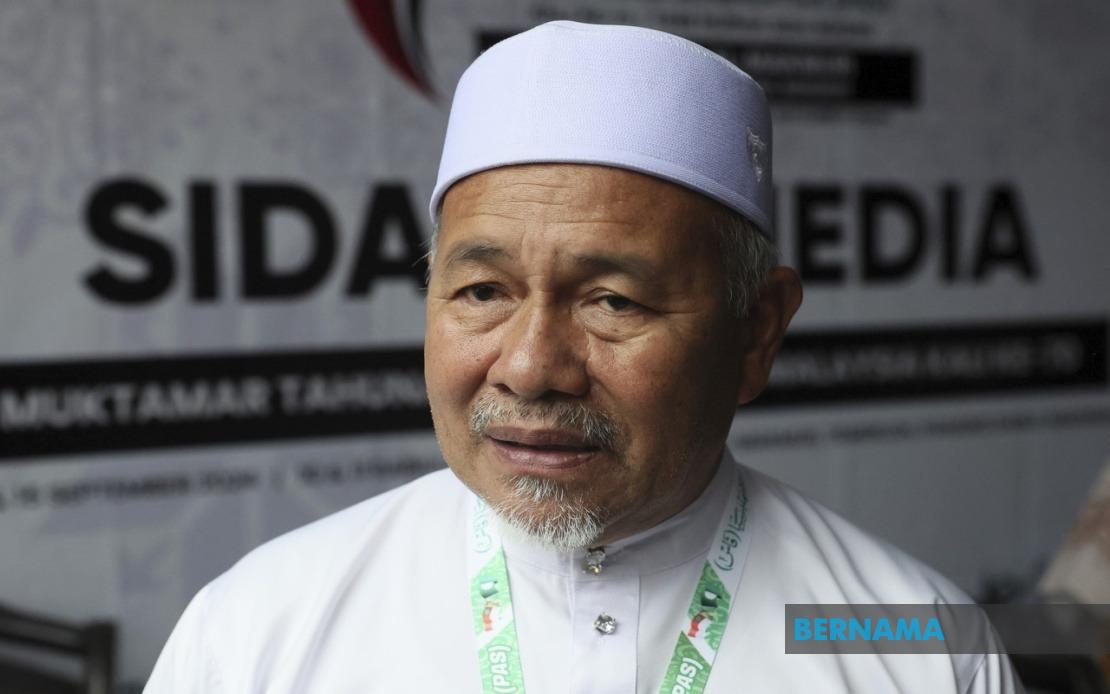
PAS deputy president Datuk Seri Tuan Ibrahim Tuan Man has insisted that fugitive businessman Low Taek Jho, commonly known as Jho Low, must be brought to trial in Malaysia to answer charges stemming from the 1Malaysia Development Berhad scandal, regardless of any actions taken by international authorities. Speaking after presiding over the Pasir Mas PAS division annual general meeting in Kota Bharu on July 4, Tuan Ibrahim stressed that Malaysia possesses its own independent judicial framework and should not necessarily align its position with decisions or determinations made by the United States regarding the case.
The PAS leader's remarks arrive as international media outlets reported that Jho Low was among approximately 250 individuals under consideration for a pardon from United States President Donald Trump, marking the 250th anniversary of American independence. This development has raised concerns about the potential derailment of legal proceedings against the fugitive businessman, who has become synonymous with one of Asia's most significant financial scandals. Prime Minister Datuk Seri Anwar Ibrahim responded on July 3 by reaffirming Malaysia's commitment to pursuing legal action against Jho Low, signalling the government's determination to continue its case despite such international complications.
Tuan Ibrahim's position reflects a broader Malaysian sentiment that the nation bears the heaviest burden from Jho Low's alleged misconduct and therefore possesses the strongest claim to prosecute him. The 1MDB scandal, which unfolded over several years, devastated Malaysia's sovereign wealth fund and precipitated one of the country's most significant corruption investigations. Billions of ringgit in public funds were allegedly siphoned through an intricate network of offshore accounts and shell companies, with Jho Low at the centre of the scheme. The fallout extended beyond mere financial loss, striking at Malaysia's international reputation and institutional credibility during a critical period of national development.
The imperative for Malaysia to independently pursue justice reflects concerns that relying on other nations' legal systems may not adequately serve Malaysia's interests or provide closure for its citizens. While the United States has pursued financial investigations and some legal actions related to American entities implicated in 1MDB, Malaysian authorities argue that only domestic courts can fully address the scale and nature of the crimes committed against Malaysian state institutions and the Malaysian public. The distinction between addressing money laundering or asset recovery in America versus prosecuting the orchestration of fraud against Malaysian entities remains a crucial legal consideration.
PAS's call for accelerated extradition procedures underscores the political dimensions of the matter. Any suggestion that Jho Low might escape accountability through a presidential pardon would constitute a significant affront to Malaysian justice and public sentiment. The issue has transcended partisan politics, becoming a matter of national pride and institutional integrity. Both government and opposition figures have historically aligned in condemning the scandal and pursuing those responsible, making Jho Low's eventual trial a symbolic reckoning for Malaysia's institutional resilience.
The fugitive businessman has maintained a profile of evasion for years, reportedly relocating across multiple jurisdictions while international authorities sought his apprehension. His flight itself represents a challenge to Malaysia's legal system and investigative capacity, necessitating heightened diplomatic engagement and international cooperation. The fact that he remains at large while others implicated in the scandal have faced Malaysian courts and custodial sentences creates an inequality in accountability that PAS's statement seeks to rectify.
From a Southeast Asian perspective, the case carries implications for regional confidence in international law enforcement cooperation and the rule of law. Malaysia's determination to prosecute Jho Low domestically signals to other nations in the region that transnational corruption will be pursued vigorously, setting a precedent for institutional robustness. Conversely, if external jurisdictions were to grant immunity or pardon to key perpetrators, it might undermine confidence in coordinated regional approaches to financial crime and sovereign wealth protection.
The timeline for extradition remains uncertain, complicated by Jho Low's continued evasion and the international legal complexities surrounding his case. However, PAS's explicit demand for expedited proceedings suggests political pressure is mounting within Malaysian leadership to resolve the matter. Whether such pressure translates into diplomatic initiatives or enhanced enforcement efforts remains to be seen, but the commitment articulated by both government and opposition figures indicates little appetite for allowing this case to languish indefinitely.
Ultimately, Tuan Ibrahim's statement reaffirms a Malaysian principle: that nations must assert their judicial sovereignty in matters where their citizens and institutions have suffered primary harm. The 1MDB scandal wounded Malaysia's development trajectory and institutional confidence, and only Malaysia's courts can provide the full accounting and justice its people deserve. As international developments continue to unfold, Malaysian authorities appear determined to ensure that Jho Low faces trial within Malaysian jurisdiction, establishing a definitive record of accountability on Malaysian terms.

