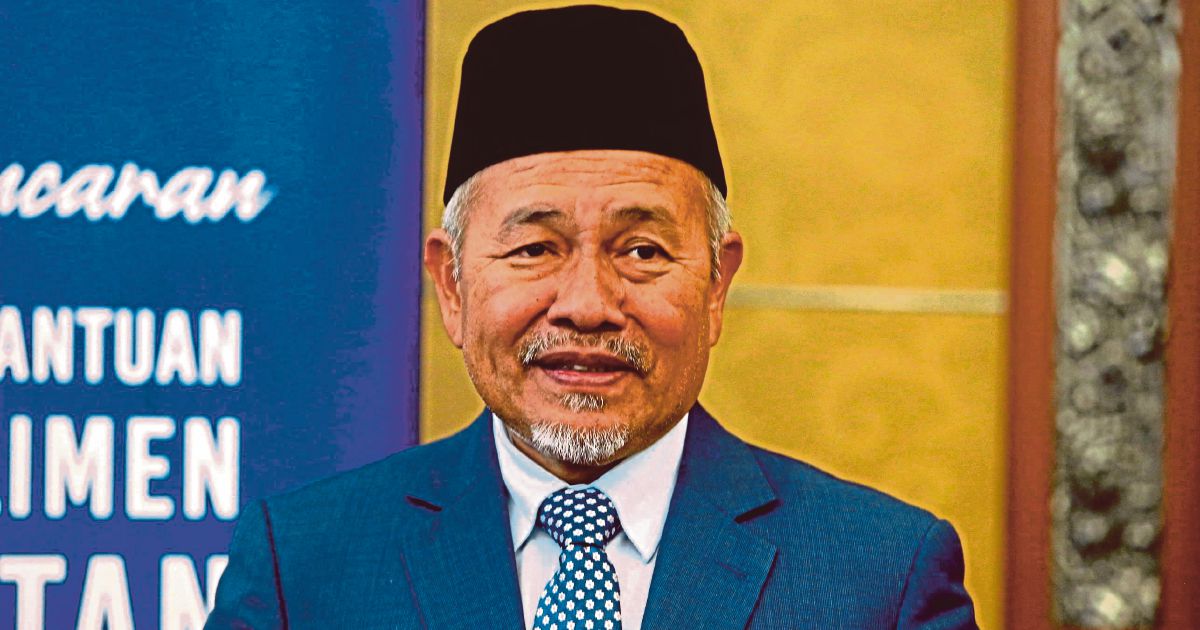
The political landscape in Negri Sembilan has shifted notably following Umno's decision to withdraw its support from the state administration, a move that has drawn cautious approval from PAS leadership. Speaking in Seremban, PAS deputy president Datuk Seri Tuan Ibrahim Tuan Man framed the Umno decision as a demonstration of political courage, suggesting that the withdrawal creates an environment where voters can exercise genuine democratic choice in upcoming state elections.
This endorsement from PAS signals an intriguing realignment in Malaysian electoral politics, particularly at the state level where coalition dynamics often differ sharply from federal arrangements. Tuan Ibrahim's characterisation of Umno's action as "bold" underscores the typically entrenched nature of state political arrangements, where parties often maintain alliances regardless of popular sentiment or internal party preferences. In the context of Negri Sembilan specifically, such shifts in support fundamentally alter the competitive terrain and reshape calculations for all major political players.
The Negri Sembilan state government's stability has long depended on securing backing from multiple political blocs, including Umno, which has historically been a dominant force in the state's administration. Umno's decision to withdraw represents a calculated political manoeuvre that essentially returns control of the state government's immediate future to the electorate rather than allowing it to persist through existing coalitional arrangements. This approach reflects broader sentiments within Umno regarding the party's strategic direction and its relationship with other coalition partners at the state level.
For PAS, the approval of Umno's move carries particular significance given the two parties' complex relationship over recent years. While both parties claim Islamist credentials and have coordinated on various political initiatives, they have also competed fiercely for votes in many constituencies. PAS's positive reception of Umno's withdrawal suggests that the Islamic party views early elections as potentially favourable to its own electoral prospects in Negri Sembilan, where the party maintains a presence and has successfully contested seats during previous election cycles.
The timing of such political shifts frequently relates to internal party assessments of electoral strength and the calculation that fresh elections may yield more favourable outcomes than maintaining existing arrangements. In Negri Sembilan, where opposition parties and various coalitions have made significant gains in recent electoral contests, major established parties like Umno may be gambling that a direct appeal to voters will prove more successful than managing complex coalition mathematics. Umno's withdrawal essentially acknowledges that the existing configuration lacks sufficient legitimacy or stability to justify continuation without electoral validation.
From a broader Malaysian perspective, the Negri Sembilan situation reflects ongoing fragmentation in political alignments following the 2022 federal elections and subsequent developments. State-level politics continue operating somewhat independently from federal arrangements, allowing parties to pursue different strategies and forge varying partnerships depending on local circumstances. The willingness of major parties to dissolve state governments and call fresh elections demonstrates that Malaysia's political elite increasingly recognise the importance of electoral legitimacy at all governance levels.
PAS's public backing for Umno's decision also potentially positions the Islamic party favourably with voters who value democratic renewal and competitive electoral processes. By framing the withdrawal positively, PAS can present itself as supportive of transparent governance while simultaneously preparing its own campaign machinery for what many observers anticipate will be competitive state elections. This strategic positioning allows PAS to maintain cooperative relations with Umno on national matters while competing independently in state contests.
The broader implications for Malaysian federalism merit consideration, as state elections increasingly serve as important barometers of political sentiment and provide opportunities for parties to test new policies or messaging strategies. Negri Sembilan voters will have an opportunity to reassess their preferences without the constraints of existing coalitional arrangements, potentially leading to outcomes that genuinely reflect current public opinion rather than inherited political structures. This democratising dimension of Umno's decision aligns with PAS's stated commitment to democratic processes, explaining the deputy president's positive characterisation.
Within Negri Sembilan itself, the withdrawal creates space for various political formations to campaign afresh, including the opposition coalition, other independent groups, or alternative alignments that may emerge during the campaign period. Local issues, economic conditions, and personalities will likely feature prominently in voter deliberations, as major parties present competing visions for the state's development and governance. The competitive environment created by Umno's withdrawal potentially benefits parties capable of mobilising grassroots support and responding to specific state concerns.
Looking ahead, the Negri Sembilan state election will provide valuable insights into political trends within Malaysia's more marginal states and reveal whether voters reward or punish parties for their recent political decisions. Both Umno and PAS will be keenly observing results to inform their own strategic calculations for other state-level contests and eventually the next federal election. The cooperation between these two major Islamic-oriented parties in government will face its first significant test through their independent campaigns in Negri Sembilan.

