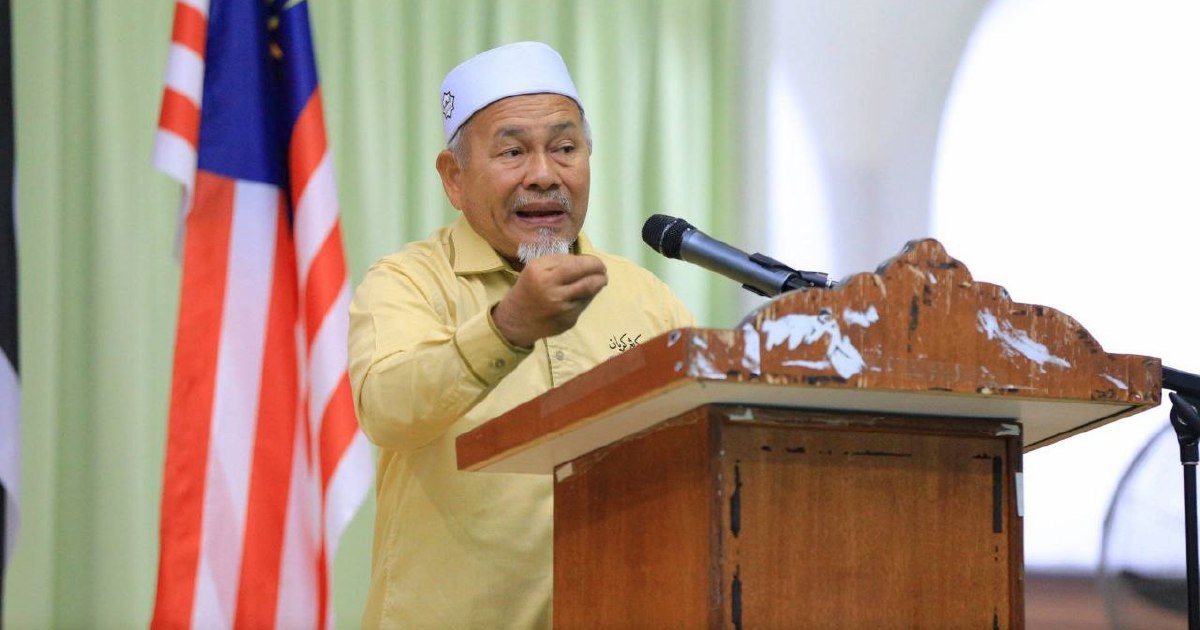
The Islamic Party of Malaysia (PAS) has signalled a pragmatic approach to electoral negotiations with its Barisan Nasional partner UMNO, suggesting openness to relinquishing certain parliamentary and state assembly seats in exchange for other constituencies. Speaking in Temerloh, PAS deputy president Datuk Seri Tuan Ibrahim Tuan Man outlined this willingness, framing it as a negotiable position dependent on mutually acceptable conditions—a stance reflecting the delicate balance within the coalition between two parties with distinct electoral bases and organisational strengths across the country.
The prospect of seat-swapping arrangements between PAS and UMNO represents a significant development in Barisan Nasional's internal dynamics, particularly given the renewed cooperation between these two parties following years of fractious separation. The coalition's electoral strategy now hinges on optimising seat allocations to maximise overall victory, moving away from the rigid territorial divisions that previously defined their relationship. For Malaysian observers and political analysts, this flexibility signals a recalibration of how the venerable coalition intends to contest forthcoming general elections and potentially state-level contests.
Tuan Ibrahim's comments underscore PAS's recognition that electoral mathematics in Malaysia's first-past-the-post system demands strategic calculation. By explicitly acknowledging readiness to cede certain strongholds, the party demonstrates an understanding that concentration of votes in select areas often yields suboptimal results compared to carefully distributed candidacies. This positions PAS as a pragmatist willing to subordinate immediate territorial claims to broader coalition objectives—a significant rhetorical shift from earlier positions that emphasised party independence and grassroots entrenchment.
The conditions PAS has attached to any swap arrangement remain deliberately vague at this stage, suggesting ongoing internal deliberations within the party hierarchy. These unstated terms likely encompass assurances regarding seat winability, compensation through allocation of safer constituencies, and guarantees of campaign resource allocation. The opacity serves tactical purposes, allowing negotiators room to manoeuvre without prematurely constraining their positions or inviting public criticism from party members protective of traditional strongholds.
For UMNO, this overture from its coalition partner presents both opportunity and complication. The party benefits from demonstrated willingness among smaller Barisan components to cooperate, strengthening the coalition narrative of unified purpose. Simultaneously, seat negotiations with PAS must account for UMNO's own internal pressures, particularly regarding representation of Malay-Muslim constituencies where both parties compete for credibility and voter loyalty. The contested ground between these organisations remains substantial, especially in northern states where PAS maintains formidable grassroots networks and electoral support that UMNO cannot easily displace.
The timing of these comments carries significance for Malaysian political circles and regional observers. As election cycles approach and internal party mechanisms commence seat selection processes, early flexibility from PAS may translate into earlier resolution of contested constituencies, thereby reducing coalition friction and accelerating unified campaign mobilisation. This stands in contrast to the protracted and often acrimonious negotiations that characterised previous election cycles, suggesting lessons learned from past electoral disappointments have prompted institutional adaptation.
Malaysian voters across the Klang Valley, Johor, and other competitive regions will likely scrutinise how these negotiations unfold, as actual seat allocations often reveal genuine power dynamics within coalitions masked by public rhetoric of harmony. The pattern of which parties retain which constituencies becomes a barometer of relative influence, resources, and electoral confidence. PAS's proactive signalling of flexibility may be calculated partly to influence voter perception that the party wields meaningful negotiating power, rather than occupying a subordinate position within Barisan's hierarchy.
Regionally, these developments invite interest from observers monitoring Malaysia's political trajectory. ASEAN's largest Muslim-majority democracy continues navigating questions about inclusive representation and coalition management amid demographic and ideological diversity. The willingness of parties to restructure electoral arrangements suggests maturation of coalition mechanics, though underlying tensions around Islamic governance models and secular constitutional frameworks persist beneath surface-level cooperation.
The practical implementation of any seat-swap agreement will test both parties' institutional discipline and member cohesion. Party activists who have invested years building constituencies and cultivating voter relationships may resist reallocation decisions reached in smoke-filled rooms at leadership level. PAS, with its reputation for stronger grassroots mobilisation and member engagement than UMNO, faces particular vulnerability to internal dissent if perceived as abandoning hard-won territorial gains to benefit its larger coalition partner.
For the broader Malaysian electorate, these negotiations represent an understated but consequential component of electoral architecture. Seat allocations determine which candidates face voters, which parties concentrate resources in particular regions, and ultimately which parties capture parliamentary and state representation. By characterising seat-swaps as conditional rather than predetermined, PAS retains negotiating leverage while signalling maturity in coalition partnership—a delicate calibration of political messaging aimed at multiple audiences simultaneously.

