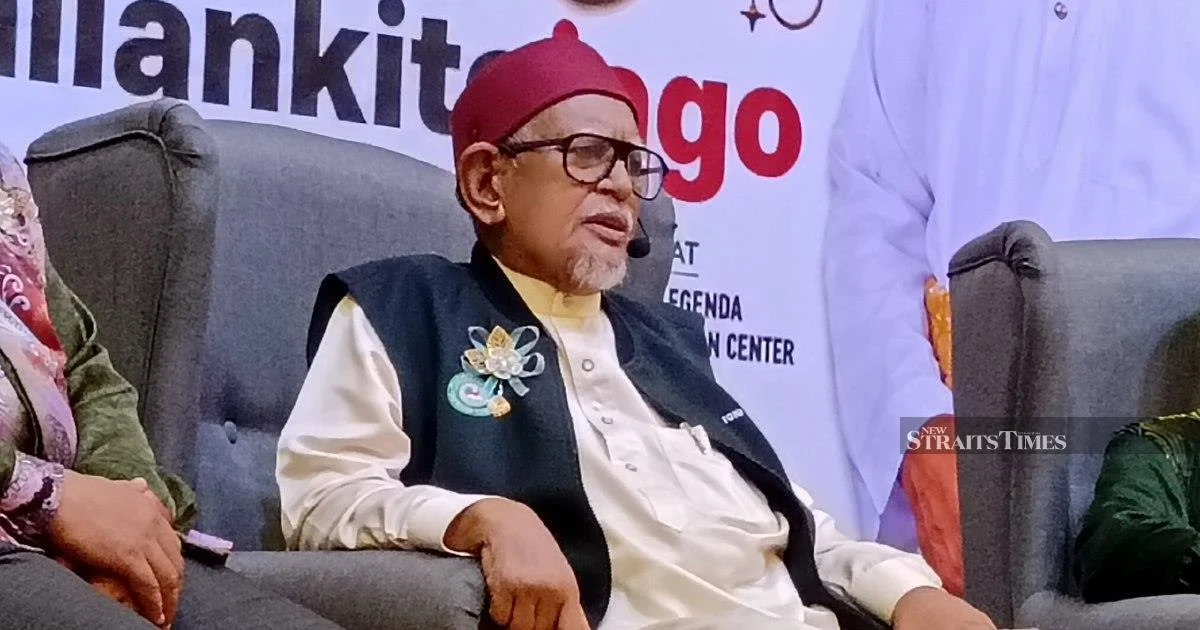
Hopes of a unified coalition contest in Negeri Sembilan are moving forward, with PAS signalling it could accept an Umno leader as the menteri besar candidate if seat-sharing negotiations between the two parties reach a successful conclusion ahead of the August 1 state election. The revelation points to an emerging pragmatism within PAS regarding power-sharing arrangements and reflects broader efforts to consolidate support among Malay-Muslim voters in the industrial state.
The willingness to step back from the chief minister position demonstrates PAS's calculation that maintaining electoral cooperation with Umno carries greater strategic value than pursuing the top job. Such arrangements have become increasingly common across Malaysian politics, where coalition partners prioritize seat efficiency and vote consolidation over claims to every high-profile position. Negeri Sembilan, with its moderate political landscape and floating voter base, presents a particular context where unified opposition to incumbent administrations can significantly shift electoral outcomes.
For Umno, the implicit offer represents a validation of its standing within Malay-Muslim political circles, even as the party works to rebuild electoral credibility following consecutive setbacks. The proposal also suggests that if negotiations succeed, the partnership would position the combined PAS-Umno machinery as a serious contender against the current state government and competing coalitions. This alignment could prove consequential in swing districts where split opposition votes previously allowed other parties to win with modest pluralities.
The August 1 timing creates urgency for both parties to resolve outstanding disagreements over constituency allocation and candidate selection. With only limited weeks remaining before nomination, negotiations typically intensify as the election date approaches. Both PAS and Umno have established machinery at the divisional and branch levels, meaning delays in finalizing seat arrangements risk inflaming internal dissatisfaction and creating procedural difficulties in endorsing joint candidates.
Negeri Sembilan's electorate comprises distinct demographic and geographical zones—from urban centres like Seremban and Port Dickson to semi-rural administrative districts—requiring nuanced coalition strategies. An Umno chief minister would likely appeal to traditional Umno-supporting constituencies and fence-sitters concerned about party stability and federal-state coordination. PAS, meanwhile, brings mobilizing capacity among certain voter segments and territorial presence in specific districts where it has maintained organizational depth despite national electoral fluctuations.
The broader Malaysian political context amplifies the significance of successful cooperation in any state. Coalition experiments at the state level often generate lessons and confidence-building momentum for national-level arrangements, or conversely, expose fundamental incompatibilities between potential allies. A successful PAS-Umno partnership in Negeri Sembilan would validate the feasibility of such combinations and potentially influence discussions in other states approaching their own election cycles.
PAS's flexibility on the menteri besar issue also reflects internal party considerations. The organization has competing constituencies—members prioritizing grassroots development and service delivery, members focused on ideological positioning, and national leadership calibrating moves within complex federal-state and inter-coalition dynamics. Accepting an Umno chief minister allows PAS to maintain substantive influence through deputy positions, local government allocation, and portfolio assignments, while avoiding the full responsibility and political exposure of leading state government during challenging economic conditions.
Meanwhile, for Umno, securing the chief minister position carries symbolic weight in its ongoing reconstruction narrative. The party has emphasized its capacity to lead and deliver governance, messaging that resonates particularly in states where it previously held power. A Negeri Sembilan victory would constitute momentum, especially given the state's historical significance in Umno's organizational structure and the party's traditional strength among the Malay heartland constituencies there.
The ongoing negotiations also occur against the backdrop of national political realignments. The political environment that produced Malaysia's various coalition permutations has created conditions where state-level seats have acquired disproportionate importance—not merely as administrative units but as testing grounds for national political models. Each state election now carries implications extending beyond its immediate boundaries, influencing perceptions of coalition viability, leadership credibility, and voter sentiment across the federation.
Completion of PAS-Umno negotiations for Negeri Sembilan remains contingent on resolving specific seat allocations and candidate approvals. Both organizations carry internal approval mechanisms and divisional sensitivities that can complicate centralized negotiations. Nevertheless, the public signal that PAS would accept an Umno menteri besar indicates sufficient alignment on fundamental terms to suggest negotiations are progressing beyond posturing toward substantive agreement.

