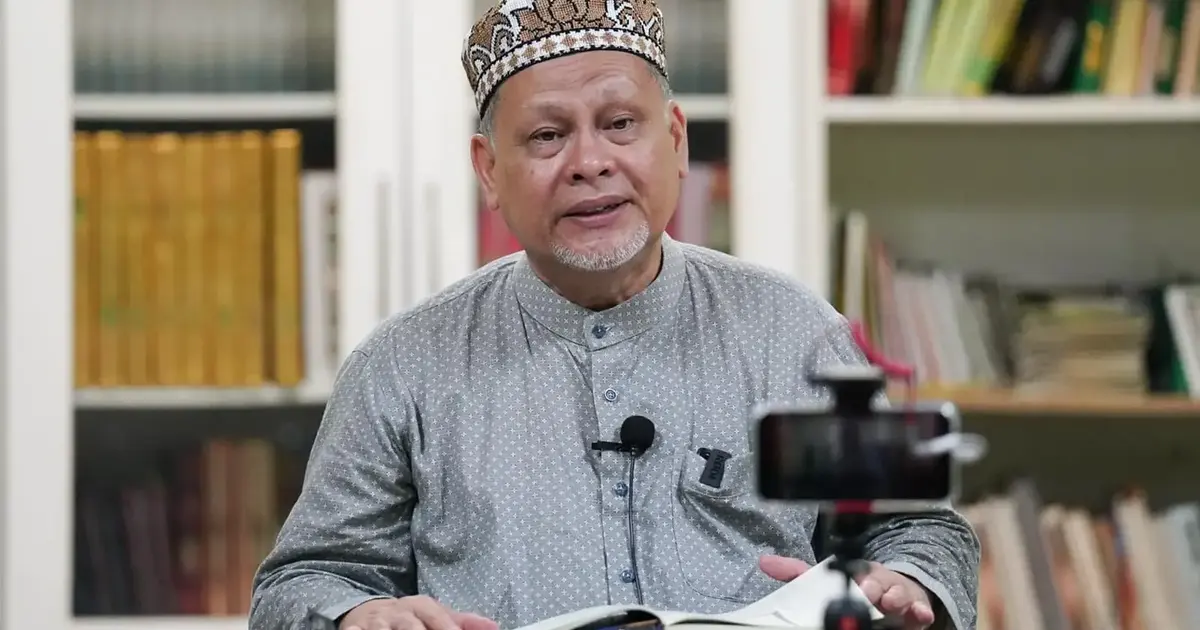
The prospect of intra-coalition competition looms over the upcoming Negeri Sembilan state elections, with PAS signalling it will not shy away from contesting against fellow Perikatan Nasional component party Bersatu if seat negotiations break down. In remarks that underscore growing tensions within the PN alliance, PAS Vice-President Amar Abdullah has made clear his party views electoral competition within their own coalition as acceptable rather than taboo, representing a notable shift in the political dynamics of peninsular Malaysia's coalition-building process.
The potential for such clashes reflects the intensifying struggle for political dominance and seat allocation within Perikatan Nasional, Malaysia's second major political coalition. Where once opposition alliances routinely fractured over resource distribution, the PN partnership—forged in the turbulent years following the 2020 general election—is experiencing its own pressures as member parties grow impatient with seat-sharing arrangements that many view as unequal. The Negeri Sembilan contest appears poised to become a testing ground for how seriously PN components regard their commitment to electoral cooperation.
PAS's willingness to take on Bersatu should not be viewed in isolation from the broader Malaysian political landscape. Perikatan Nasional has struggled to maintain cohesion since its formation, with tensions periodically surfacing over which party should receive priority positioning for winnable seats. For PAS, which has established itself as the strongest PN component in many states, the prospect of direct competition against Bersatu represents an opportunity to reinforce its claim to preferred status within the alliance. Bersatu, by contrast, relies heavily on strategic seat allocation to achieve parliamentary relevance, having built limited independent grassroots support outside pockets of rural Peninsular Malaysia.
The Negeri Sembilan state-level contest carries particular significance for Malaysian politics because the state has traditionally served as a bellwether for larger political movements. Elections in this relatively compact state, located strategically between the Klang Valley and the southern regions, often foreshadow shifts in sentiment that ripple across the peninsula. A messy PN internal competition in Negeri Sembilan could damage the coalition's standing among swing voters who have grown wary of political instability and infighting. Conversely, a well-coordinated campaign could strengthen PN's positioning ahead of potential federal election scenarios.
Amar Abdullah's public comments about readiness to contest Bersatu-held or Bersatu-targeted seats carries implicit messaging to PAS grassroots members and supporters that their leadership will prioritise party interests over coalition harmony when necessary. This articulation of priorities reflects a growing assertiveness among PAS strategists who believe their party has sacrificed significantly during previous coalition arrangements, including during earlier negotiations within the now-defunct Muafakat Nasional pact with UMNO. By establishing red lines early regarding Negeri Sembilan, PAS aims to strengthen its negotiating hand in seat allocation discussions.
The statement also indicates PAS leadership's confidence in the party's electoral machinery and grassroots organisation in Negeri Sembilan specifically. For any party to publicly declare readiness to contest against coalition allies requires substantial confidence in electoral prospects, suggesting PAS has conducted internal assessments indicating viable chances across multiple Negeri Sembilan constituencies. This organisational confidence reflects the party's substantial growth in recent years, particularly among younger supporters and in previously non-traditional PAS constituencies across the peninsula.
From Bersatu's perspective, the challenge lies in responding without appearing weak or accepting subordinate status within PN. Bersatu, which built its initial political capital through Mahathir Mohamad's leadership and federal government participation, has faced declining fortunes as its core coalition partnerships shifted. The party's presence in state contests often depends on securing competitive seat allocations from stronger allies, making direct competition against PAS a scenario Bersatu leadership would likely prefer to avoid given the organisational disparity between the two parties.
The implications for Malaysian electoral politics extend beyond the immediate state contest. If PAS and Bersatu proceed to direct competition in Negeri Sembilan, it would establish a precedent that could reshape future negotiations within Perikatan Nasional across other states. Such competition might encourage other component parties to adopt similarly assertive stances during seat allocation discussions, potentially leading to a more fragmented and contentious coalition infrastructure. Alternatively, it could force serious conversation about formalising clearer power-sharing mechanisms within PN that prevent such clashes.
Observers tracking Malaysian coalition dynamics note that the major opposition Pakatan Harapan alliance has historically benefited when its competitors displayed internal divisions, particularly during state-level contests where voters punish coalitions seen as quarrelsome. Negeri Sembilan voters, moderately inclined toward opposition candidates in recent years, may respond negatively to visible PN infighting, potentially providing openings for Pakatan candidates. The political calculus therefore extends beyond which PN party wins individual seats to encompassing broader coalition viability assessments by the electorate.
The coming weeks will clarify whether Amar Abdullah's remarks represent hardline positioning likely to moderate during actual negotiations, or whether PAS truly intends to pursue independent candidacies against Bersatu in contested constituencies. Either scenario carries significance for understanding PN's evolution as a political entity and the balance of power among its component parties. For Malaysian voters, the Negeri Sembilan elections increasingly appear positioned as a consequential test of coalition stability and political maturity within the country's second major political force.

