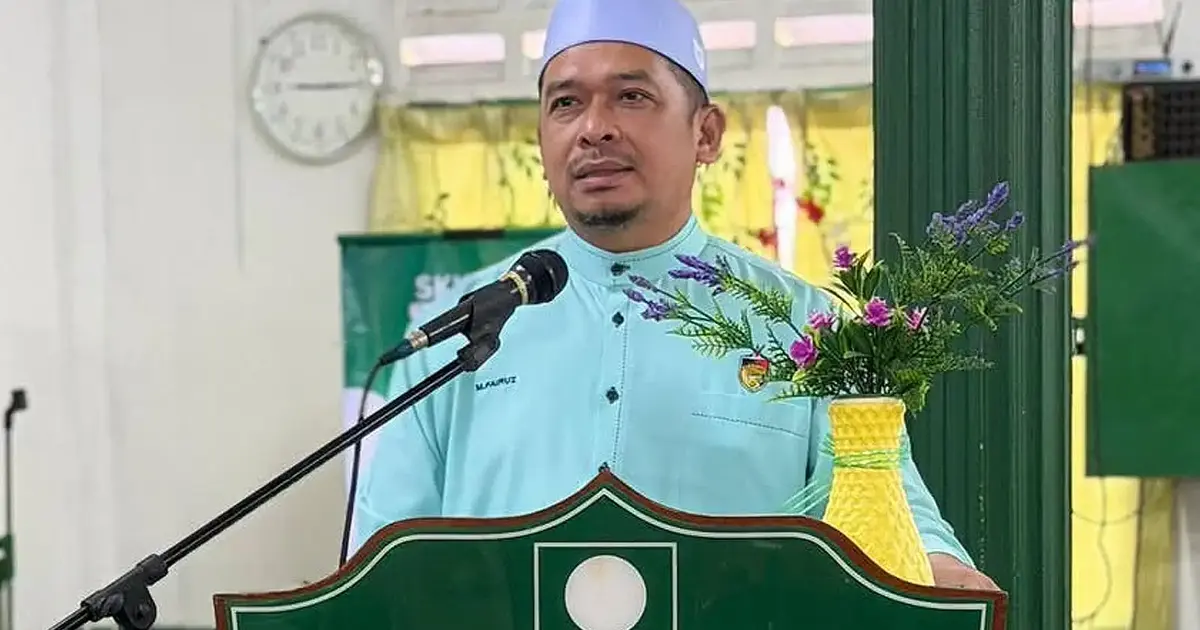
The Islamic party PAS is charting an ambitious electoral course in Negeri Sembilan, with state leadership declaring an intention to contest seats presently held by the Democratic Action Party (DAP) in constituencies where Malay voters represent a significant demographic share. State PAS chief Fairuz Isa outlined this targeting strategy, focusing particularly on districts where Malays constitute roughly 40 percent of the electoral base—a threshold that party strategists evidently believe presents viable opportunities for electoral inroads.
This tactical repositioning reflects a broader competitive dynamic unfolding across Malaysian electoral battlegrounds. Historically, DAP has maintained substantial representation in Negeri Sembilan and other states, drawing support from diverse communities. The PAS approach suggests the Islamist party perceives weakening in DAP's traditional voter coalitions or sees opportunities to mobilise Malay-majority segments in constituencies where the Chinese-majority party has maintained incumbent advantages. Such demographic targeting has become increasingly central to Malaysian political strategy, with parties conducting granular analysis of constituency composition to optimise candidate placement and campaign messaging.
Negeri Sembilan politics operates within the broader context of Malaysia's fractious coalition landscape. The state has experienced significant political shifts in recent years, with various alliances and counter-alliances reshaping traditional power structures. PAS, having strengthened its position nationally through its association with Perikatan Nasional and its religious messaging resonance in Malay-majority areas, appears intent on leveraging these advantages in state-level competition. The party's explicit demographic targeting suggests sophisticated electoral data analysis informing campaign planning.
The 40 percent Malay voter threshold that Fairuz Isa identified carries particular significance. This figure likely represents party analysts' assessment of the minimum demographic concentration required to mount credible challenges to incumbent opposition members in urban or mixed constituencies. Rather than pursuing seats where Malays are overwhelming majorities—where PAS likely already holds or competes strongly—this strategy addresses what party strategists see as competitive middle ground. These constituencies presumably feature meaningful Chinese, Indian, and other community representation alongside substantial Malay populations, requiring campaigns that appeal across communal lines while emphasising Islamic party credentials and Malay-centric policy platforms.
DAP's electoral vulnerabilities in such constituencies may stem from several factors. The party's positioning as a non-communal alternative has traditionally attracted multi-ethnic support, yet shifts in voter sentiment or changes in local political dynamics could erode margins in constituencies where Malay voters command significant but non-dominant numbers. Additionally, competition from Malay-based parties has intensified as PAS and other organisations become more effective at campaign targeting and mobilisation. DAP's continued reliance on predominantly urban, non-Malay voter bases in certain areas may leave openings for challengers willing to explicitly compete for Malay support.
The strategic implications extend beyond Negeri Sembilan. This constituency-level targeting approach demonstrates how Malaysian parties are increasingly abandoning broad-brush electoral strategies in favour of granular, data-driven competition. Rather than contesting all seats uniformly or restricting themselves to traditional strongholds, parties like PAS are identifying specific territories where demographic composition, incumbent performance, and voter sentiment analysis suggest realistic victory scenarios. This methodology has proven effective for various political organisations and reflects the professionalisation of Malaysian campaign infrastructure.
From a broader regional perspective, Negeri Sembilan represents a significant testing ground for these revised strategies. The state's demographic and political composition—encompassing urban centres like Seremban alongside smaller towns and rural areas—makes it reasonably representative of Malaysian electoral realities. Performance in constituencies matching PAS's targeting criteria could illuminate whether the party's approach generates meaningful electoral gains or whether DAP's incumbency advantages and existing voter relationships prove more durable than demographic analysis suggests.
The announcement also signals PAS's confidence in its organisational capacity and resource mobilisation capabilities. Challenging seated incumbents in constituencies without overwhelming PAS majorities requires substantial campaign investment, credible local candidates, and sophisticated voter outreach. That Fairuz Isa publicly articulated this targeting strategy suggests the party believes it possesses these requisites and intends to demonstrate viability ahead of electoral contests.
For DAP, this competitive pressure necessitates defensive strategising. The party must assess which of its Negeri Sembilan seats genuinely face vulnerability based on demographic composition and recent electoral performance. Strengthening ground organisation, validating incumbent performance records, and reinforcing multi-communal coalition messaging will likely comprise the core of defensive efforts. Additionally, DAP may emphasise governance records and service delivery achievements to reinforce incumbent advantages.
The electoral positioning PAS is adopting also reflects underlying questions about Malaysia's political direction. Intense competition for Malay-majority and mixed constituencies fundamentally concerns competing visions for Islamic representation, governance philosophy, and communal relations. Whether Malaysian voters in these contested constituencies respond to PAS mobilisation or maintain existing voting patterns will carry implications extending well beyond Negeri Sembilan's borders, potentially influencing national coalition calculations and parliamentary mathematics in subsequent electoral cycles.