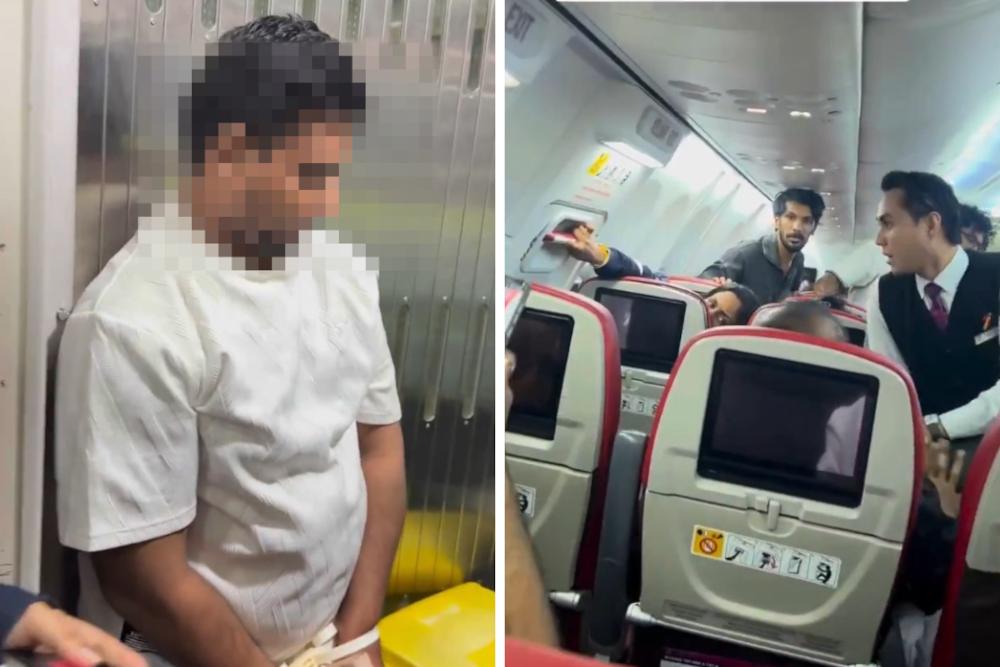
A passenger on a Batik Air flight from Malaysia to India was arrested following an incident in which he allegedly attempted to open an emergency exit door while the aircraft was at cruising altitude. The incident occurred at an altitude of 9,144 metres, raising serious safety concerns and prompting an immediate response from both flight crew and ground authorities. The apprehension of the suspect highlights the ongoing challenges aviation authorities face in maintaining passenger safety and preventing disruptive behaviour aboard commercial flights in the region.
The man's actions, which appear to have been carried out without prior warning to cabin crew, represent a significant breach of aviation safety protocols. Opening an emergency door during flight at such extreme altitudes would expose the entire aircraft and all passengers and crew members to catastrophic decompression and loss of pressure within the cabin. The attempt underscores the vulnerability of commercial aviation to unexpected and dangerous passenger conduct, despite multiple layers of security implemented by airlines and airport authorities.
Batik Air, Malaysia's second-largest airline and a subsidiary of the larger AirAsia group, operates extensively across Southeast Asia and the Indian subcontinent. The incident aboard one of the carrier's aircraft has raised questions about in-flight security measures and the training protocols that cabin crew members undergo to manage emergency situations and passenger disturbances. The airline's response to the incident will be scrutinised as part of a broader examination of how regional carriers address safety vulnerabilities.
The intervention by flight crew in preventing the suspect from completing the attempted action was critical to preventing a disaster. Crew members are trained to respond swiftly to such emergencies, but the incident demonstrates that passenger interference with critical aircraft systems remains a persistent concern across the aviation industry. The altitude at which this occurred—well into the cruise phase of the flight when the aircraft is typically at peak operational conditions—added another layer of danger to an already grave situation.
Investigations into the suspect's motives are now underway, with authorities examining whether the incident was motivated by a mental health crisis, a deliberate act of sabotage, or other factors. Understanding the reasoning behind such actions is crucial for airlines and regulators seeking to implement more effective preventative measures and identifying passengers who may pose a risk before they board. The psychological assessment of the individual and any background information pertinent to the incident will inform how similar cases are handled in future.
The incident has implications extending beyond the immediate threat to passenger safety. It reflects broader concerns about unruly passenger behaviour that has become increasingly prevalent on flights globally, particularly in the post-pandemic period. Airlines operating routes throughout Asia have reported elevated incidents of passenger misconduct, ranging from minor disruptions to serious threats requiring law enforcement intervention. Malaysia's aviation authorities will likely use this case as a catalyst for reviewing and strengthening existing protocols.
Emergency exit doors on modern commercial aircraft are designed with multiple safety features intended to prevent accidental or deliberate opening while in flight. However, the fact that an attempt could be made at all suggests that awareness and education among passengers about these systems, and their limitations, remains incomplete. Airlines may need to enhance pre-flight safety briefings to emphasise the physical impossibility and catastrophic consequences of tampering with emergency exits during flight operations.
The arrest of the suspect ensures that he will face legal consequences consistent with Malaysian and relevant international aviation laws. Interference with flight operations, particularly attempts to compromise aircraft safety, typically results in severe criminal penalties. The prosecution of such cases sends a clear message to the travelling public that dangerous behaviour aboard aircraft will not be tolerated and will result in serious criminal charges.
Regional aviation authorities, including the Civil Aviation Authority of Malaysia and equivalent bodies across South Asia, are likely to convene discussions following this incident to assess whether additional regulatory measures are necessary. The case may prompt airlines to reassess their security procedures, potentially including enhanced training for cabin crew in identifying and de-escalating situations involving passengers exhibiting erratic behaviour. Enhanced coordination with mental health professionals and airport security personnel may also be considered.
For passengers, this incident serves as a reminder of the shared responsibility all travellers bear in maintaining aviation safety. While most passengers comply with regulations and crew instructions, individual acts of misconduct can jeopardise the safety and security of hundreds of people aboard a single aircraft. The incident reinforces the importance of air travel remaining secure and orderly, and underscores why airlines maintain strict policies regarding passenger conduct.
The broader context of aviation safety in Southeast Asia has been shaped by decades of regulatory development and investment in safety infrastructure. Malaysia, in particular, has established itself as a hub for regional aviation with stringent safety standards. However, incidents such as this demonstrate that security threats can emanate not only from external sources but also from within the passenger cabin itself, requiring constant vigilance and adaptive response strategies.
Looking forward, the handling of this case will be closely monitored by aviation professionals and safety experts throughout Asia. The lessons learned from the incident—regarding both how the immediate threat was managed and how authorities responded—will inform industry practice and regulatory policy across the region. As commercial aviation continues to expand throughout Southeast Asia and India, maintaining passenger safety while enabling the efficient movement of millions of travellers annually remains a paramount concern.

