The Parti Pesaka Bumiputera Bersatu Sarawak (PBB) is preparing for a significant gathering this month as delegates from across its central zone converge on Sibu for a special convention scheduled on July 26. The Sibu Indoor Stadium will accommodate more than 3,000 representatives drawn from 24 party branches across the region, marking a pivotal moment in the party's internal deliberations on strategic matters affecting Sarawak's future direction.
According to PBB secretary-general Datuk Seri Alexander Nanta Linggi, the central zone convention will serve as the opening engagement in the party's broader special convention schedule, which will subsequently move to the southern, Betong, and northern zones. This staggered approach to conducting zone-level gatherings underscores the party's systematic methodology in ensuring comprehensive participation across its organisational structure while managing the logistical complexities of large-scale political assemblies in a geographically dispersed state like Sarawak.
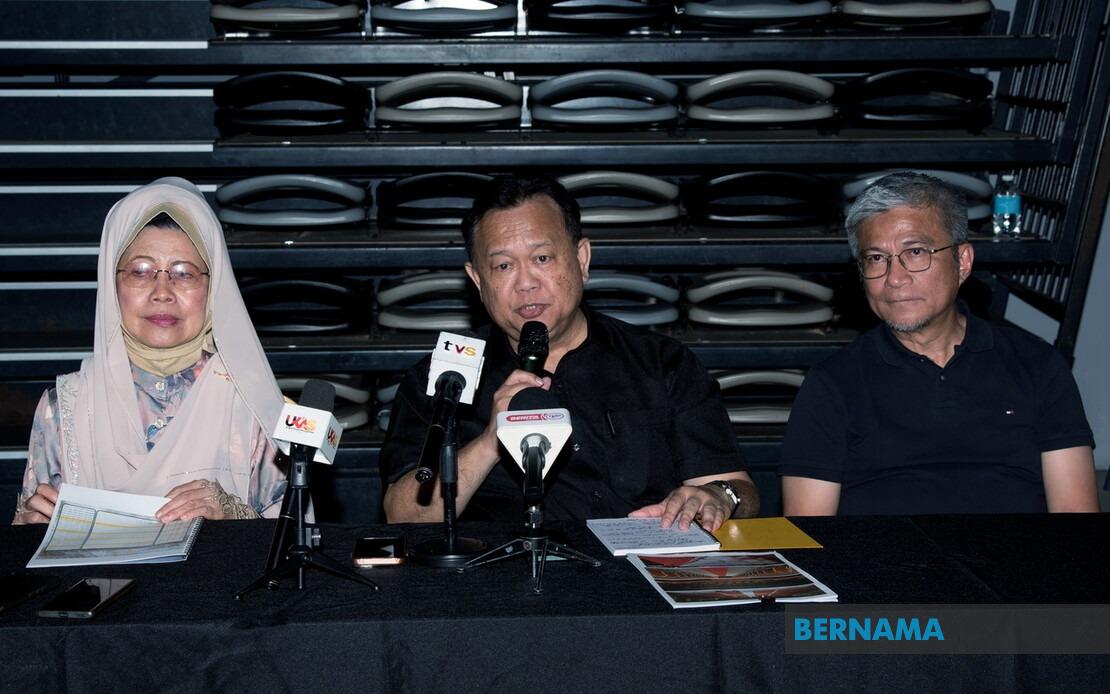
The organising committee responsible for orchestrating the event gathered to fine-tune preparations and confirm all procedural elements ahead of the convention date. Datuk Seri Alexander Nanta Linggi indicated that meticulous coordination was essential to guarantee the smooth progression of proceedings, reflecting the significance the party places on this assembly and the diverse agenda items scheduled for discussion. Such preparatory meetings are crucial for addressing potential bottlenecks and ensuring that the substantial attendance can be efficiently managed within the venue.
Among the centrepiece items on the convention's agenda is a comprehensive presentation addressing the Malaysia Agreement 1963, the foundational compact that established Malaysia and defined the constitutional relationship between the federal government and the states of Sabah and Sarawak. This topic carries substantial weight in Sarawak politics, where ongoing discussions about state autonomy, resource rights, and federal-state power distribution remain contentious and central to regional political discourse.
The convention will also feature detailed discussions on the Post COVID-19 Development Strategy 2030, a framework intended to guide Sarawak's economic and social recovery trajectory in the aftermath of the pandemic's disruption. This strategic positioning reflects growing concerns across Malaysian states about sustainable development pathways and the need for coherent, long-term planning to address pandemic-related challenges to employment, education, healthcare infrastructure, and economic diversification.
Beyond these headline presentations, party delegates will engage with several other substantive issues spanning political matters of relevance to Sarawak's governance and the broader political landscape. The breadth of the agenda suggests that PBB intends to use the central zone convention as a platform for aligning party membership around key policy priorities and strategic directions heading into the remainder of the decade.
Sarawak Premier Tan Sri Abang Johari Tun Openg, who concurrently holds the position of PBB president, will formally inaugurate the proceedings and deliver the keynote address to assembled delegates. The premier's personal engagement at this level underscores the state government's investment in the convention's outcomes and the party's interest in transmitting strategic messaging directly to grassroots leadership across the central zone. His address is likely to elaborate on the state administration's vision for development and the role the party plays in advancing that agenda.
The timing of the convention reflects careful political scheduling within Sarawak's governance calendar. July provides a window for intensive internal party activity before other state-level commitments intensify. The convention's focus on forward-looking strategies such as the MA63 discussion and the PCDS 2030 framework indicates that PBB is positioned to lead conversations about Sarawak's post-pandemic trajectory and the state's positioning within Malaysia's federal architecture.
For Malaysian observers beyond Sarawak, this convention merits attention as an indicator of how regional political parties are addressing the dual challenges of pandemic recovery and constitutional-political questions. The emphasis on MA63 suggests that questions about state autonomy and resource sovereignty remain vigorous within Sarawak's political consciousness, even as the state government pursues economic development priorities. The gathering thus provides a window into how Sarawak-based parties are navigating the balance between advancing state-specific interests and participating in national political discourse.
The scale of participation anticipated, with delegates numbering in the thousands across two dozen branches, demonstrates the organisational capacity that PBB maintains as Sarawak's dominant political force. Such assemblies require substantial logistical coordination and reflect the depth of party infrastructure that enables PBB to mobilise membership at this scale. The convention will serve both as a deliberative forum for strategic discussions and as a demonstration of party cohesion and organisational strength to the broader Sarawak electorate.
As the first of several zone-level conventions planned for the year, the Sibu gathering will likely establish thematic and procedural templates for subsequent assemblies in other regions. Any consensus achieved or significant positions articulated during the central zone convention may carry forward into discussions at the southern, Betong, and northern zone conventions, creating a cascading effect that builds toward a unified party position on the major issues addressed.

