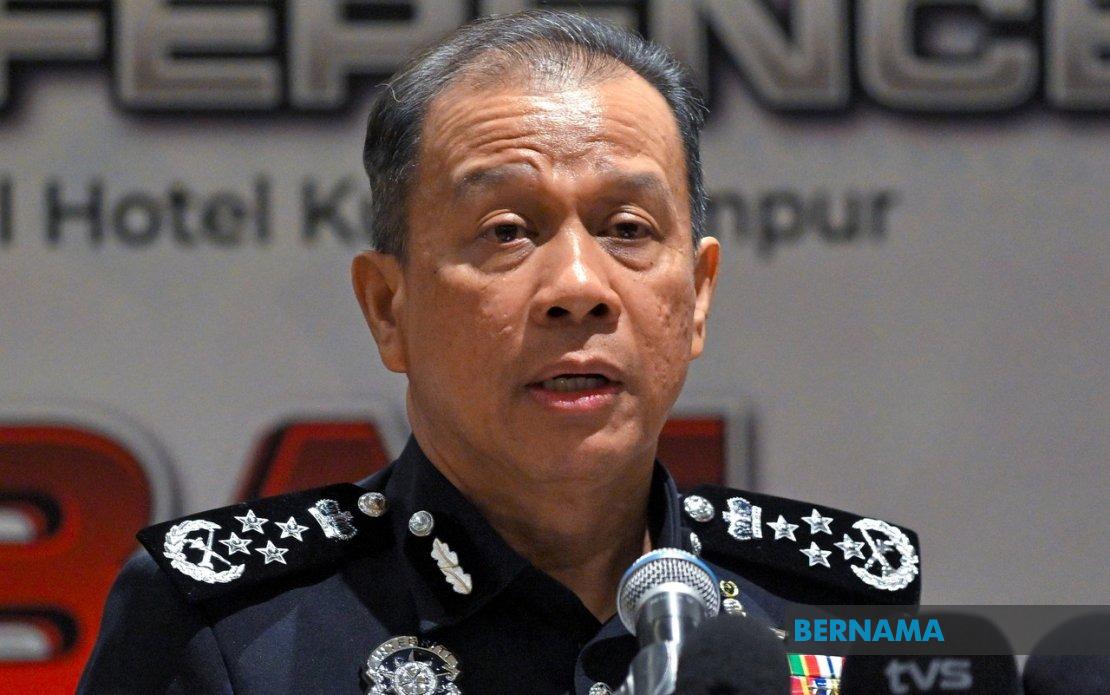
Malaysia's aviation security framework is set for a significant overhaul with the Royal Malaysia Police committing to deploy personnel directly into airport security operations. The decision, endorsed by Cabinet and announced by the government, represents a strategic shift toward creating more integrated and intelligence-driven security protocols across the country's aviation network. Inspector-General of Police Tan Sri Mohd Khalid Ismail confirmed PDRM's full cooperation and readiness to execute the deployment as part of immediate steps to fortify Malaysia's defences against potential threats targeting flight operations and airport facilities.
The initiative emerged from heightened concerns about aviation sector vulnerabilities, particularly following recent incidents involving Malaysian aviation personnel. The MADANI government spokesperson Datuk Seri Fahmi Fadzil signalled the deployment decision as a direct response to these emerging security challenges, emphasizing the government's commitment to preventing criminal exploitation of Malaysia's airports and airspace. This coordinated approach reflects broader regional anxieties about maintaining the integrity of Southeast Asian aviation networks, especially given Malaysia's position as a major regional aviation hub.
Implementation of the police deployment will require meticulous coordination among multiple government stakeholders. The PDRM is currently working with the Home Ministry, Ministry of Transport, and relevant aviation authorities to establish clear operational frameworks. These discussions cover critical administrative and operational elements including defining the specific duties of deployed police officers, identifying which airport locations will receive enhanced police presence, calculating precise personnel requirements, clarifying lines of authority and responsibility, and establishing coordination mechanisms that ensure seamless integration between PDRM units and existing aviation security infrastructure.
The strategic rationale behind incorporating police personnel into AVSEC teams centres on leveraging law enforcement's distinctive capabilities. Police involvement promises enhanced intelligence coordination capabilities, enabling faster identification of suspicious activities before they escalate into genuine threats. Early detection mechanisms will be strengthened through police access to criminal databases and intelligence networks. Additionally, police presence facilitates more coordinated enforcement action when violations occur, eliminating delays that might arise from inter-agency communication gaps. Most importantly, police can enable rapid operational response to security incidents, a critical advantage in high-risk aviation environments where seconds can determine outcomes.
This multilayered security enhancement represents only one component of a comprehensive strategy to harden Malaysia's aviation security posture. The broader framework encompasses systematic upgrades to access control systems preventing unauthorized entry to restricted airport zones, improved screening procedures using enhanced technology and trained personnel, more rigorous security inspections of baggage and cargo, comprehensive risk assessment protocols identifying high-threat scenarios, and deepened cooperative relationships among government agencies, private security operators, and international aviation partners. The integration of these elements creates redundancy across the system, ensuring that no single vulnerability remains unaddressed.
The underlying philosophy emphasizes preventive security rather than reactive responses to incidents. By implementing tighter security controls informed by intelligence analysis, Malaysian authorities aim to identify and neutralize threats at early stages before criminal actors can execute plans targeting aviation infrastructure. This preventive approach reduces overall risk exposure, minimizes potential losses if incidents occur, and eliminates exploitation opportunities that criminal networks might otherwise identify. Inspector-General Mohd Khalid articulated this approach by noting that integrated, intelligence-based security controls strengthen preventive capabilities and close gaps potentially vulnerable to misuse.
For Malaysia's aviation industry and the broader travelling public, this initiative carries substantial implications. Enhanced security measures typically involve increased screening procedures that may slightly extend airport processing times, though authorities will presumably balance security imperatives against operational efficiency to minimize passenger inconvenience. However, greater security also builds traveller confidence, particularly among international passengers concerned about flight safety. For the aviation sector itself, strengthened security makes Malaysia increasingly attractive to international carriers and cargo operators, as reputable operators prioritize using airports with robust safety frameworks.
Regionally, Malaysia's proactive approach signals commitment to international aviation security standards and demonstrates responsible governance of critical infrastructure. Southeast Asian aviation has faced periodic security challenges, making coordinated national responses essential. Malaysia's action may establish benchmarks that other regional economies consider adopting, contributing to broader network-wide improvements. The initiative also reflects Malaysia's recognition that modern aviation security demands professional law enforcement integration rather than reliance solely on private security contractors or airport-based personnel.
The Inspector-General provided clear assurances that flight safety and border security will remain paramount priorities throughout implementation. PDRM leadership explicitly stated that attempts to weaponize aviation infrastructure for criminal purposes will not be tolerated, signalling uncompromising enforcement stances toward would-be offenders. This firm commitment extends to preventing drug smuggling, human trafficking, weapons proliferation, and other serious crimes that perpetrators might attempt to execute through airport channels. The statement reflects understanding that aviation security involves not only preventing aviation-specific threats but also preventing aviation infrastructure misuse as a conduit for other criminal enterprises.
Successful implementation depends on extensive coordination and resource allocation. Training requirements will likely be substantial, as police officers assigned to AVSEC teams will need specialized instruction in aviation security protocols, threat recognition specific to airport environments, coordination procedures with other security personnel, and legal frameworks governing airport operations. Facility modifications may be necessary to accommodate police operational bases within airport security zones. Equipment procurement for police units focusing on aviation security will require budgetary allocation. These implementation challenges, while manageable, underscore that the initiative represents a meaningful commitment of government resources and institutional capacity.
The timing of this deployment reflects urgent security assessments within Malaysian government and aviation authorities. Rather than phased implementation over extended periods, the Cabinet designated it as an immediate priority, suggesting decision-makers view current threat levels as sufficiently elevated to warrant rapid action. This urgency indicates that recent incidents involving Malaysian aviation professionals have catalyzed serious internal reviews of existing security adequacy. Officials likely concluded that gaps identified during these reviews require prompt remediation rather than prolonged study and deliberation.
Looking forward, the PDRM-AVSEC integration will generate operational data about police effectiveness in airport environments. This feedback will inform decisions about expanding police presence, adjusting deployment patterns, or implementing supplementary security measures. Regular evaluation will determine whether the initiative achieves intended security improvements, identifies additional vulnerabilities, and allows refinement of inter-agency coordination procedures. The initiative therefore represents not merely a static policy decision but rather the beginning of an evolving process aimed at continuously strengthening Malaysia's aviation security architecture.

