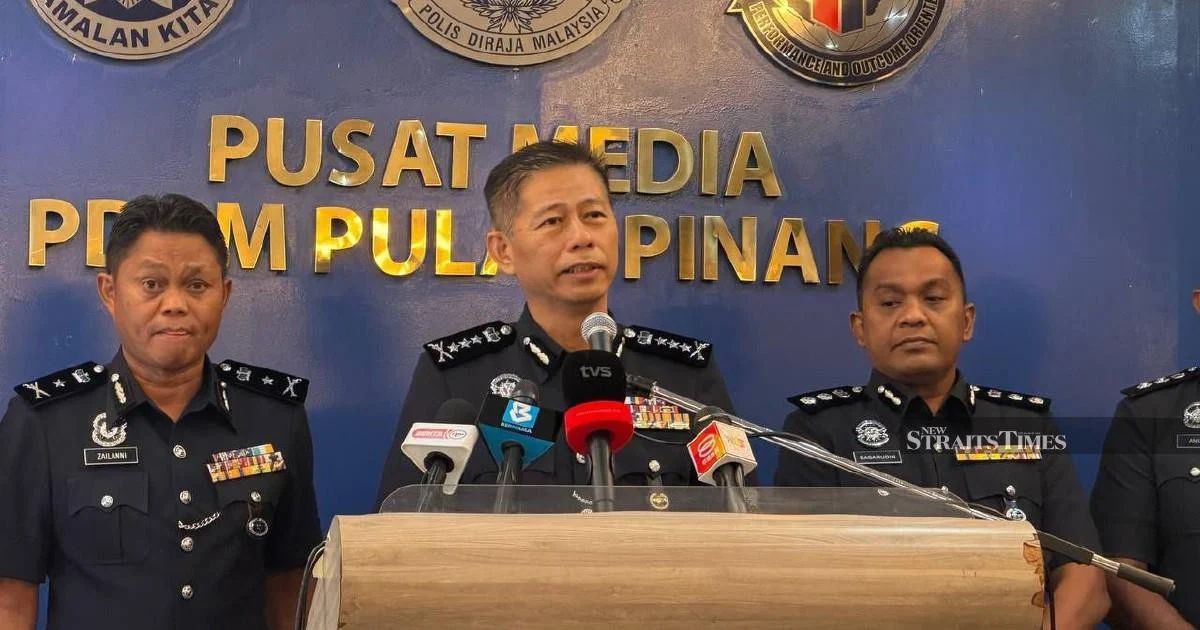
Penang police have intensified enforcement action against illegal gambling networks, arresting 12 men and recovering almost RM9,000 in cash during a comprehensive statewide operation timed to coincide with heightened betting activity during the FIFA World Cup. The coordinated crackdown reflects growing concern among Malaysian law enforcement about the proliferation of unlicensed online betting operations that exploit the global football tournament to attract punters seeking quick returns.
The operation underscores the persistent challenge facing Malaysian authorities in combating organized illegal gambling, which has migrated substantially online over the past decade. While licensed betting remains available through established operators, underground networks continue to flourish by offering higher odds, flexible credit arrangements, and minimal regulatory oversight. During major sporting events like the World Cup, police resources across the country are typically redirected toward disrupting these illegal networks, recognising that betting volumes spike dramatically when international matches capture public attention.
Penang's crackdown falls within a broader national pattern of enforcement intensification during major tournaments. The Penang police operation demonstrates the state-level coordination required to address gambling crimes that often operate across municipal and state boundaries. Officers conducted simultaneous raids across multiple locations, suggesting intelligence-gathering operations preceded the enforcement action. Such strategic timing during the World Cup period aims to disrupt betting syndicates when they are most active and most profitable, thereby maximizing the deterrent effect of law enforcement intervention.
The seizure of nearly RM9,000 represents operational proceeds likely accumulated over short periods given the high turnover characteristic of illegal betting enterprises. These funds typically originate from losses by everyday gamblers and represent a significant financial hemorrhage from the local economy into criminal networks. The cash recovery, while substantial in individual terms, reflects only a fraction of the total daily turnover these operations generate during major tournaments when betting volumes can exceed normal monthly levels.
The arrest of 12 individuals raises questions about the operational structure of illegal betting networks in Penang. These operations typically involve clearly delineated roles, with some individuals managing customer acquisition, others handling payment processing, and senior figures coordinating logistics. The diversity of roles means that arresting 12 operators may disrupt networks temporarily but does not necessarily dismantle the underlying infrastructure, as remaining members can quickly reconstitute operations or new entrepreneurs establish replacement networks.
Malaysia's legal framework treats illegal betting as a serious offence under state and federal gambling legislation. Those convicted face potential imprisonment and substantial fines, serving as statutory deterrents. However, enforcement remains challenging given the digital nature of modern gambling operations, where perpetrators operate across jurisdictions and often use encrypted communication channels. The relatively modest monetary seizure in this Penang operation illustrates the difficulty authorities face in intercepting proceeds when criminal networks employ sophisticated money-laundering techniques.
The World Cup period presents particular enforcement challenges because betting activity increases dramatically and unpredictably based on match schedules and tournament progression. This seasonal surge creates windows of vulnerability for law enforcement agencies, requiring temporary deployment of additional resources. Southeast Asian nations including Malaysia, Singapore, and Thailand all experience similar spikes in illegal gambling during world sporting events, and some regional cooperation has emerged to track cross-border betting operations.
Beyond law enforcement, the proliferation of illegal betting highlights underlying demand for gambling services among Malaysian consumers. Licensed operators offer limited betting options compared to underground networks, creating a market opportunity for illegal enterprises. This supply-demand dynamic suggests that enforcement alone cannot adequately address the issue; regulatory reform expanding access to legal betting or public education campaigns addressing gambling risks may provide complementary solutions that enforcement cannot achieve independently.
For businesses and communities in Penang, illegal betting networks impose indirect costs through associated crime including loan-sharking, violence against defaulting debtors, and money-laundering that distorts local economic activity. The crackdown represents efforts to mitigate these collateral harms by disrupting criminal enterprises before they establish deeper roots in affected communities. However, the temporary nature of enforcement operations means sustained vigilance remains necessary throughout and after the tournament period.
The operation also reflects international pressure on Southeast Asian nations to strengthen gambling regulations and enforcement. International bodies focused on organized crime and financial illicit flows increasingly scrutinize regional gambling operations, particularly those with transnational dimensions. Malaysia's demonstrated commitment to enforcement during high-profile tournaments provides evidence of regulatory cooperation to international partners, strengthening the nation's standing in global anti-crime initiatives.
Police in Penang indicated that investigations into the arrested individuals continue, suggesting additional charges may follow or that officers seek to identify upstream suppliers and downstream customer networks. The investigation phase often yields more valuable intelligence than initial arrests, potentially enabling subsequent operations targeting larger distribution networks or financial infrastructure supporting multiple betting operations.