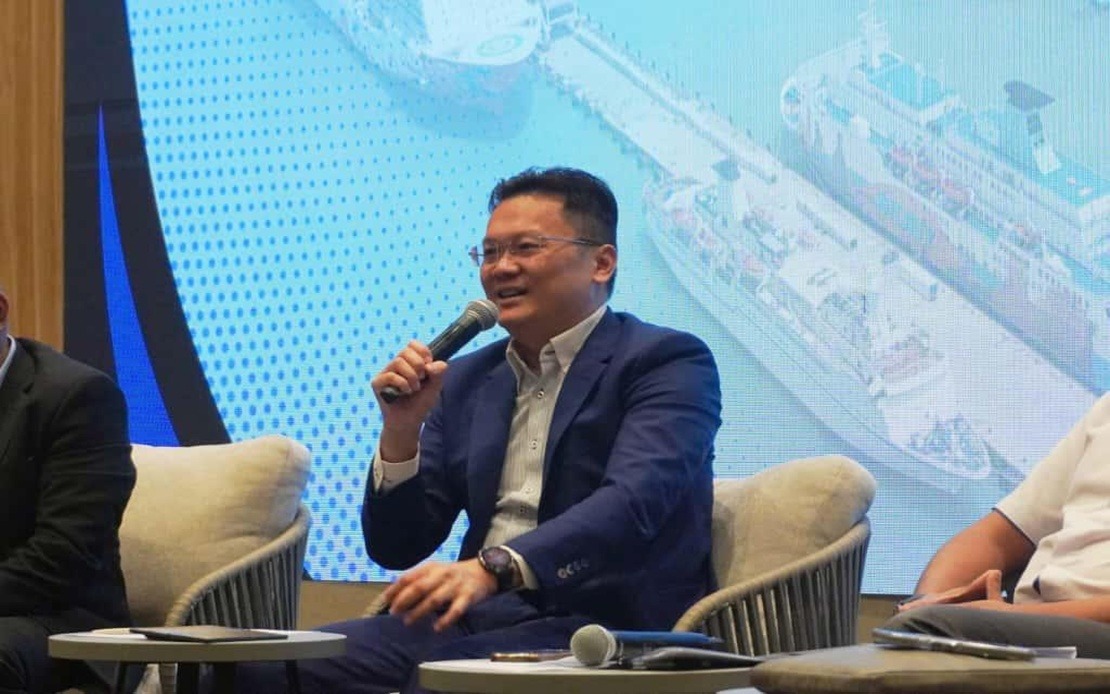
The Penang Port Commission has formally adopted a new Standard Operating Procedure governing the handling and disposal of ship-generated waste at the port, representing a significant step in the maritime gateway's environmental stewardship efforts. The framework, announced by PPC chairman Datuk Yeoh Soon Hin, establishes uniform protocols across all port terminals to ensure waste management operations meet legal requirements while supporting the broader transition toward greener, low-carbon port activities.
Under the revamped approach, all companies engaged in waste management at Penang Port must now obtain a valid licence directly from the PPC before commencing operations. Beyond this primary authorization, operators are required to secure clearances from multiple government bodies including the Department of Environment, the National Water Services Commission (SPAN), the Royal Malaysian Customs Department, and relevant municipal authorities. This multi-tiered approval architecture reflects the complexity of maritime waste streams and the regulatory hierarchy governing environmental protection across Malaysia's shipping sector.
The SOP divides ship-generated waste into three distinct classifications to enable more targeted and appropriate handling protocols. Scheduled waste originating from vessels comprises the first category, covering materials that may pose environmental or health hazards. Domestic waste—including packaging materials, general rubbish, and dunnage used for cargo securing—forms the second grouping. The third category encompasses sewage waste discharged from ships, which requires specialized treatment to prevent contamination of coastal waters.
Once waste is generated aboard a vessel, operators must verify the quantity of material with the ship's master or officers and maintain comprehensive documentation throughout the disposal process. Following completion of waste handling operations, declaration documents including disposal notes or discharge records must be submitted to both the PPC and relevant governmental agencies. This paper trail creates accountability at each stage and enables authorities to monitor compliance and identify any potential irregularities in waste management practices.
Datek Yeoh emphasized that licensed operators bear full responsibility for executing all waste handling activities with proper safety measures, systematic organization, and adherence to the specific conditions outlined in the port circular. This allocation of responsibility shifts the burden of compliance from the port authority to the operational companies, incentivizing them to maintain high standards and invest in appropriate infrastructure, training, and supervision.
The initiative aligns closely with the vision articulated by Transport Minister Anthony Loke regarding the development of Green Ports across Malaysia. Loke's aspiration extends beyond operational efficiency to encompass genuine environmental stewardship, with ports serving as models for sustainable maritime practices. Penang Port, as one of Malaysia's busiest and strategically important maritime hubs, plays a crucial role in demonstrating how large-scale port operations can incorporate environmental considerations into core business practices.
By instituting mandatory licensing requirements, the port creates a regulatory gatekeeping mechanism that allows authorities to assess operator capability and track performance over time. The requirement for waste quantity verification directly addresses historical concerns about misreporting of waste volumes, which had occasionally obscured the true environmental impact of port operations. Post-operation reporting obligations enable the PPC to aggregate data and identify trends in waste generation, potentially revealing opportunities for reduction and recycling initiatives.
The framework establishes several preventive mechanisms designed to minimize marine pollution risks. Restricting waste handling to approved facilities ensures that disposal occurs in controlled environments with proper environmental safeguards. Verification procedures prevent the documented disposal of waste that was never actually generated, a practice that could mask illegal dumping. Continuous monitoring by the PPC through scheduled inspections and audits creates an ongoing verification layer that discourages non-compliance.
Beyond immediate pollution prevention, the SOP creates an enabling environment for technological innovation and adoption of best practices. Operators are encouraged to explore advanced waste processing methods, recycling technologies, and waste reduction strategies that could lower the volume of material requiring disposal. As operators compete on environmental performance and regulatory compliance, competitive pressure may drive faster adoption of innovations that other ports or regions have already pioneered.
For Malaysian shipping companies and vessel operators, the framework introduces operational requirements that must be factored into port call planning and budgeting. Ships calling at Penang Port can no longer informally dispose of waste or select disposal partners based solely on cost; they must now work within a standardized system. While this imposes compliance obligations, it also provides certainty regarding procedures and reduces the risk of unexpected fines or operational delays resulting from waste-related violations.
The environmental implications for the Straits of Malacca region are noteworthy given the waterway's critical ecological significance and its role as one of the world's busiest shipping lanes. Stricter waste management at Penang Port contributes to broader marine conservation efforts in Southeast Asian waters. Other regional ports may view Penang's initiative as a benchmark, potentially encouraging adoption of similar frameworks across Malaysia and neighboring countries.
The PPC has committed to ongoing engagement with operators to enhance compliance through additional inspections and audits, treating the SOP as a foundation for continuous improvement rather than a static regulatory endpoint. This adaptive approach acknowledges that waste management best practices continue to evolve and that emerging technologies may enable more effective solutions than those currently available. The port authority's willingness to facilitate the adoption of new methods signals a commitment to keeping Penang Port at the forefront of environmental responsibility within the region's maritime sector.

