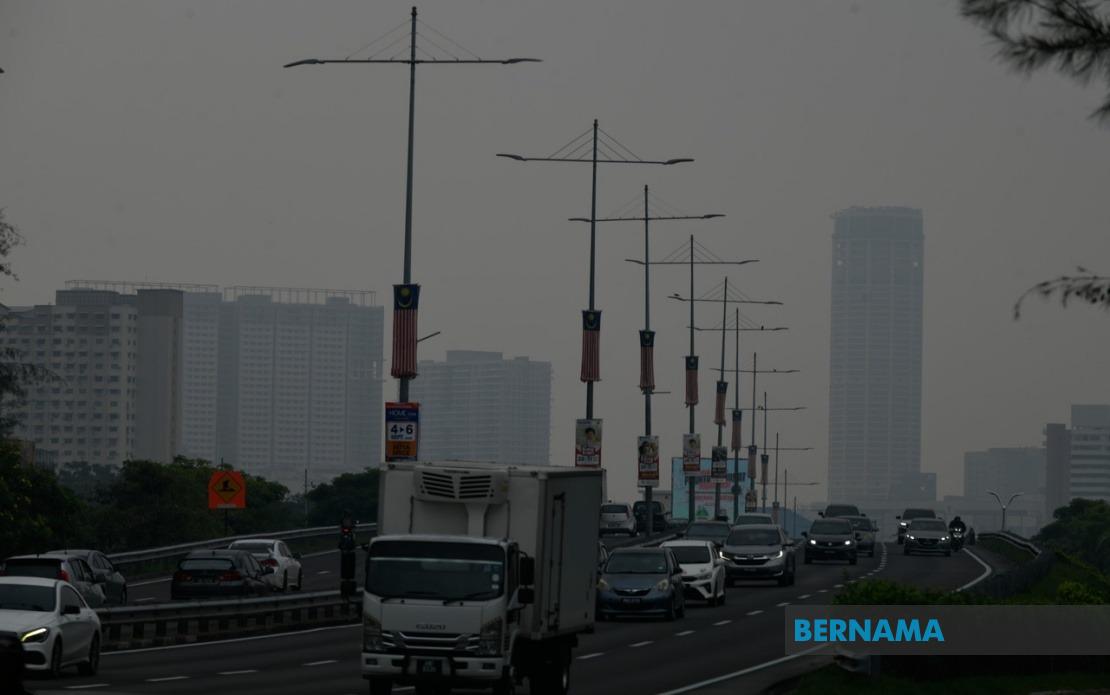
Schools across Penang have been placed on heightened alert as air quality continues its downward trajectory, with the state's Education Department rolling out comprehensive directives to safeguard students and staff from worsening haze conditions. The move underscores growing concerns about transboundary pollution affecting the region, a recurring seasonal challenge that increasingly disrupts normal educational operations across Malaysia.
The Penang Education Department issued guidance requiring all District Education Offices and individual schools to strengthen their readiness frameworks, particularly regarding student and staff protection during hazardous atmospheric conditions. The directive reflects an institutional shift towards proactive management rather than reactive crisis response, signalling recognition that haze episodes now warrant systematic, state-wide coordination. Schools have been instructed to maintain continuous vigilance over Air Pollutant Index readings and remain responsive to real-time updates from environmental authorities, establishing a communication chain designed to ensure rapid decision-making when pollution levels spike.
The department established clear operational thresholds for activity restrictions. When API readings reach 100, all outdoor educational programmes, sports events, and recreational activities must immediately cease. This threshold represents a middle ground acknowledging that elevated pollution levels can affect respiratory function without necessitating institutional shutdown. The intermediate measure aims to protect vulnerable populations—particularly younger children whose lungs are still developing and those with pre-existing respiratory conditions—while preserving the continuity of classroom-based instruction.
More severe protocol kicks in at higher contamination levels. Schools must shut their doors entirely once API readings exceed 200, a level categorised as unhealthy for the general population. At this point, continued face-to-face instruction becomes unjustifiable from a public health standpoint. The directive further stipulates that when readings soar beyond 500—classified as hazardous—educators and support personnel need not report to campus, effectively suspending all operations. This tiered approach provides schools with graduated response options rather than binary closure decisions, potentially minimising disruption while maintaining health safeguards.
Beyond activity restrictions, schools face practical imperatives to mitigate pollution exposure within their facilities. The Education Department has mandated adequate drinking water availability, recognising that increased hydration helps flush respiratory systems and supports overall physiological resilience during poor air quality episodes. Educational institutions are being encouraged to remind students repeatedly about maintaining fluid intake—a simple yet critical preventive measure often overlooked during crisis periods. Simultaneously, schools must reduce students' exposure to outdoor air through careful scheduling and increased time spent in indoor environments, effectively internalising the school day.
Personal protective equipment usage, particularly face masks, has been endorsed for both students and staff where circumstances warrant such measures. The cautious language reflects ongoing debates about mask efficacy and comfort, particularly in tropical climates where humidity can render prolonged mask-wearing uncomfortable. Schools retain discretion to implement or encourage masking based on local conditions and community acceptance, avoiding the prescriptive mandates that characterise some emergency responses.
School administrators have been directed to exercise particular vigilance regarding vulnerable populations within their student bodies. Children with asthma, allergies, or other respiratory or cardiovascular conditions require individualised attention during haze episodes. Similarly, students displaying acute symptoms—coughing, wheezing, breathing difficulty—demand immediate assessment and potentially early dismissal. This targeted approach acknowledges that haze impacts are neither uniform nor predictable across populations, with individual susceptibility varying significantly based on underlying health status and genetic factors.
The coordination framework demands that schools report their observations, implemented measures, and emerging challenges to District Education Offices and the state-level Education Department. This reporting structure facilitates real-time information aggregation, allowing authorities to identify schools facing particular difficulties and allocate resources accordingly. The system also enables the Department to identify patterns in student health impacts, providing epidemiological data that can inform future policy refinements. Such hierarchical communication channels, when functioning effectively, transform schools from isolated institutions into integrated nodes within a responsive public health network.
Geographically, the haze challenge extends well beyond Penang. The Department of Environment identified 29 areas nationwide recording unhealthy air quality readings as of early afternoon on the reporting date, with Penang locations including Minden, Seberang Perai, and Balik Pulau experiencing particularly acute pollution. This distributed pattern suggests the haze event possessed sufficient geographic spread and intensity to trigger coordinated responses across multiple states, reflecting the transnational nature of atmospheric pollution in Southeast Asia. Penang's strategic peninsula location makes it especially vulnerable to pollution originating from regional sources, particularly during weather patterns that concentrate and redirect pollutants southward.
The broader context illuminates why Malaysian education authorities now approach haze management with institutional seriousness rather than treating episodes as minor disruptions. Scientific evidence increasingly demonstrates that repeated or prolonged exposure to elevated air pollution impairs cognitive function, reduces academic performance, and creates cumulative health burdens extending years beyond exposure events. Students exposed to poor air quality during critical developmental periods may experience lasting impacts on lung function and educational attainment. For educators and administrators, haze management has become inseparable from fundamental duties regarding student welfare.
Implementing these directives presents logistical challenges that regional schools remain largely unprepared to navigate. Many institutions lack adequate air filtration systems or indoor spaces sufficient to accommodate all students during outdoor-activity suspensions. Coordinating with parents regarding activity changes and potential closures requires communication infrastructure not universally available across all schools. The directive's assumption that schools possess surplus drinking water capacity, sufficient indoor alternatives to outdoor programmes, and trained personnel to identify health emergencies may overestimate institutional resources in many settings. Schools serving economically disadvantaged communities particularly may struggle implementing recommendations designed for well-resourced institutions.
Looking forward, Penang's approach establishes frameworks that other Malaysian states may adopt or adapt as haze episodes become increasingly predictable components of the regional climate calendar. The gradual normalisation of such operational protocols—API monitoring, activity restrictions, facility preparedness—reflects sobering recognition that transboundary air pollution represents a persistent rather than temporary challenge to Southeast Asian education systems. Whether these protocols ultimately protect students effectively depends substantially on implementation quality and resource allocation at the individual school level.

