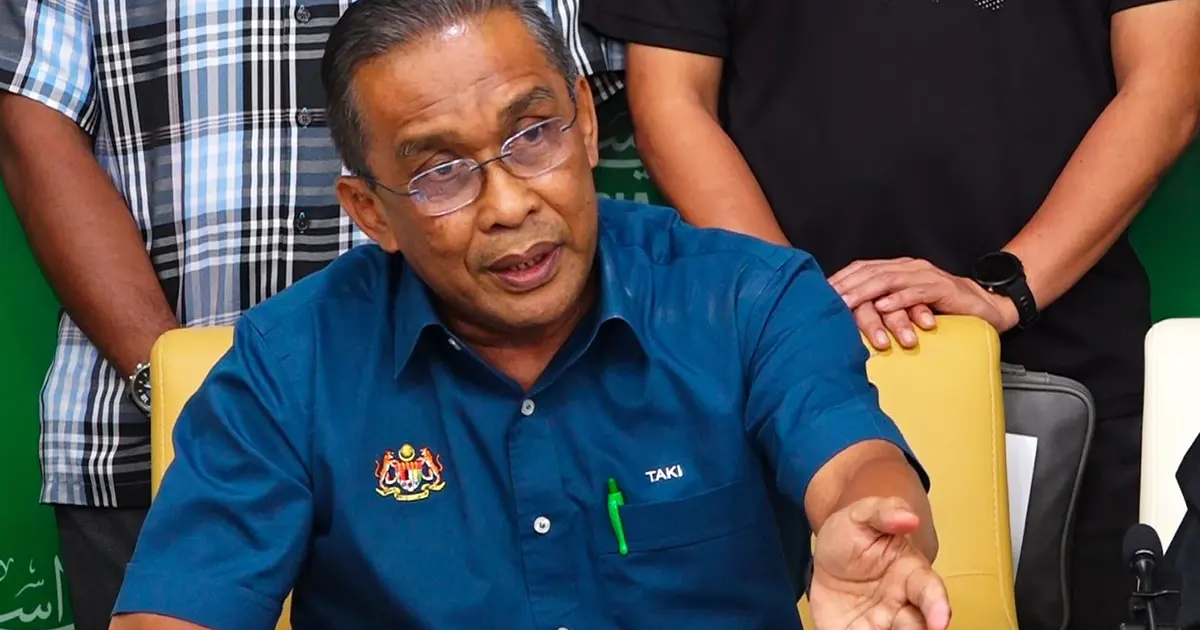
Perikatan Nasional's secretary-general Takiyuddin Hassan has indicated that upcoming negotiations between PN and Barisan Nasional concerning the Melaka state election will deliberately exclude Bersatu from the dialogue process, marking a significant realignment within Malaysia's fractious opposition and ruling coalition politics. While the precise timeline for these discussions remains unconfirmed, Takiyuddin assured party members that the talks would materialise in the coming period, signalling the coalition's intent to reach an electoral arrangement in the Melaka contest.
The decision to sideline Bersatu from coalition-level negotiations represents a notable development in the intricate power dynamics that have characterised Malaysian politics since the 2022 general election. Bersatu, led by former Prime Minister Mahathir Mohamad, has occupied a precarious position within various political alignments, and this exclusion underscores the shifting calculations that govern inter-party relations in the current political environment. The statement suggests that PN's core leadership—comprising UMNO, PAS, and potentially other partners—views these discussions as an internal matter that does not require Bersatu's involvement at the negotiating table.
The Melaka state assembly, comprising 28 seats, has become a focal point for coalition machinations following the state's political volatility over the past two years. Any electoral pact between PN and BN could substantially reshape the political landscape in the historically significant state, which has alternated between different ruling coalitions. The exclusion of Bersatu from talks suggests that PN's primary interlocutors—namely UMNO and PAS—may have reached preliminary understandings that render Bersatu's participation unnecessary or, conversely, that the coalition parties wish to avoid complications that might arise from Bersatu's unpredictable positions.
Takiyuddin's confirmation that substantive discussions have not yet commenced indicates that both PN and BN are likely engaged in preliminary positioning and internal party consultations before formal negotiations begin. This procedural gap often proves critical in Malaysian politics, allowing coalition partners to gauge public and grassroots reactions while maintaining negotiating flexibility. The secretary-general's transparency about the future timing of talks, while remaining vague on specifics, reflects a calculated approach to managing expectations among party members and the broader political constituency.
The implications for Bersatu's political standing are particularly significant given the party's recent trajectory of electoral disappointments and coalition repositioning. By openly excluding Bersatu from high-level negotiations, PN's leadership signals that the party may be expected to accept whatever arrangements emerge from PN-BN discussions, rather than negotiating its own terms. This dynamic echoes earlier patterns wherein Bersatu has found itself marginalised despite formal coalition membership, a position that has increasingly strained the party's internal cohesion and relationship with its coalition partners.
For Barisan Nasional, particularly UMNO, the opportunity to negotiate directly with PN without Bersatu's participation may represent a strategic advantage. UMNO has long maintained complex relations with Bersatu, particularly regarding territorial and electoral prerogatives in key states. By limiting negotiations to PN's core components, BN—and UMNO specifically—can potentially secure more favourable terms for seat allocations and campaign support without navigating the complications that Bersatu's presence might introduce.
The Melaka configuration carries broader implications for Malaysian federalism and the balance between ruling and opposition coalitions. A reconfigured electoral arrangement in this state could provide valuable lessons and precedents for how PN and BN might coordinate in future contests, whether at the state or federal level. The successful negotiation of such arrangements often depends on excluding parties that might introduce complicating factors, suggesting that Malaysian political coalitions may become increasingly streamlined around core partners with compatible interests.
PAS's involvement in these negotiations warrants particular attention, given the party's substantial presence in Melaka's Muslim-majority constituencies and its ability to influence electoral outcomes. PAS's willingness to participate in talks that exclude Bersatu indicates alignment on strategic priorities with UMNO, despite their historical differences. This convergence reflects the pragmatic realignment that has increasingly characterised Malaysian politics, wherein ideological considerations often take secondary importance to electoral mathematics and power-sharing arrangements.
The broader context of these Melaka negotiations unfolds against Malaysia's evolving political landscape, where no single coalition commands overwhelming dominance at either federal or state levels. The perpetual need to negotiate electoral arrangements and seek coalition partners has become a permanent feature of Malaysian governance. In this environment, exclusionary tactics such as those Takiyuddin has outlined serve both symbolic and practical purposes—signalling coalition priorities while streamlining decision-making processes that might otherwise become unwieldy.
Takiyuddin's statement suggests that PN leadership has made strategic calculations regarding the optimal composition of its negotiating team and the parties with whom it wishes to coordinate on the Melaka elections. Whether Bersatu will accept such marginalisation without public protest remains uncertain, though the party's historically cautious approach to confrontation within coalitions suggests it may acquiesce privately while maintaining nominal membership. The coming weeks will likely reveal whether other coalition partners endorse this exclusionary approach or whether internal pressures will force a reconsideration of Bersatu's participation in subsequent negotiations.

