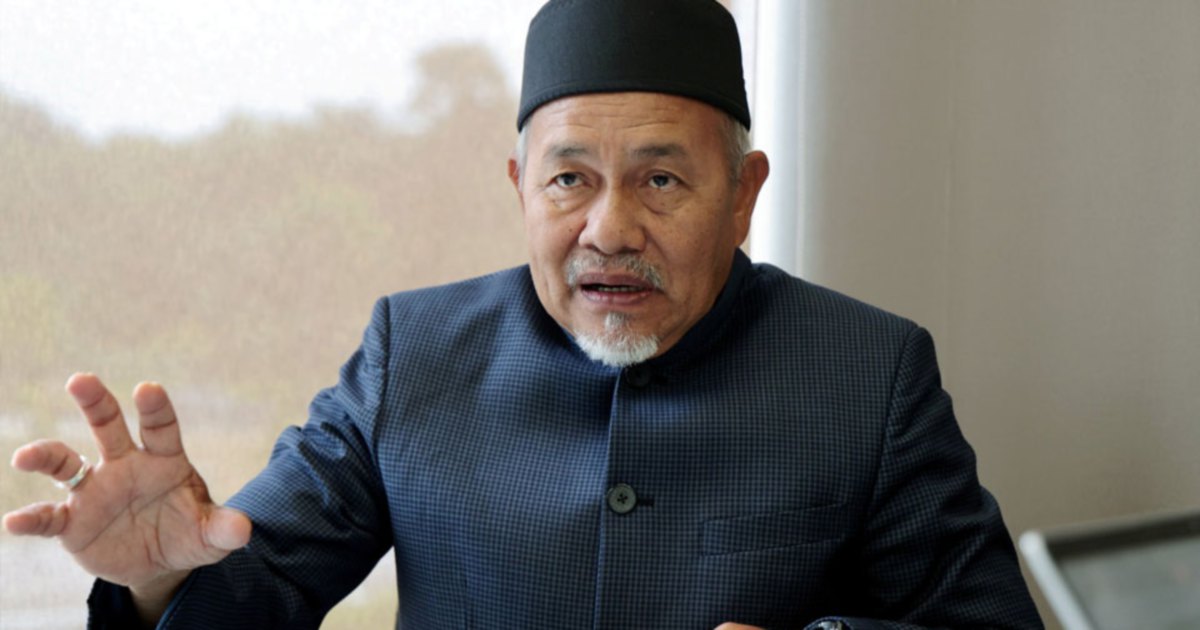
Perikatan Nasional has flatly denied Bersatu's contention that the indefinite postponement of the coalition's Seat Negotiation Committee meeting stems from PAS's desire to strengthen political cooperation with Barisan Nasional, according to statements made in Kota Baru. The categorical rejection underscores simmering tensions between the two major components of Malaysia's opposition bloc, which have increasingly displayed public disagreements over strategic direction and resource allocation ahead of critical electoral cycles.
The denial comes at a particularly sensitive moment for PN, which has positioned itself as a cohesive alternative to the government alliance. The coalition's internal dynamics have become subject to heightened scrutiny, particularly regarding the balance of power between its dominant Islamic party component and other members. The postponement of scheduled negotiations over electoral seat distribution is, by its very nature, a politically loaded development that invites speculation about underlying fractures within the opposition alliance.
Bersatu's suggestion that PAS harbours intentions to draw closer to BN represents a significant accusation within Malaysian coalition politics, where perceptions of disloyalty or hedging carry substantial consequences. Such assertions, whether accurate or not, can erode confidence among coalition partners and complicate efforts to present a unified front to voters. The fact that PN felt compelled to issue a public denial demonstrates the seriousness with which the coalition treats questions about its institutional stability and the reliability of its constituent parties.
Understanding the timing of these disagreements requires awareness of the Malaysian political landscape's inherent volatility. Coalitions in Malaysia typically fragment when parties perceive that their individual interests diverge from collective objectives, or when they sense opportunities to improve their standing through alternative arrangements. The possibility that PAS might explore closer relations with BN would fundamentally alter the competitive mathematics of Malaysian politics, potentially reshaping alignments that have been relatively stable in recent years.
The seat negotiation process itself represents one of the most contentious aspects of coalition management in Malaysia. Electoral seat allocation directly determines which party members will have opportunities to win parliamentary representation and executive positions, making these discussions inherently zero-sum propositions. When such negotiations are postponed, the affected parties inevitably search for explanations, and the explanations themselves become opportunities for blame-shifting and assertion of competing narratives about who is genuinely committed to the coalition's success.
Bersatu's public airing of these grievances reflects frustration within the party about its standing within PN's hierarchy. Having joined the opposition coalition more recently than some partners, and facing continuous questions about its future trajectory, Bersatu appears to be signalling that it views PAS's potential realignment as a threat to its own political viability. For a party navigating the competitive dynamics of coalition politics, such concerns about marginalisation are not merely abstract but carry concrete implications for its electoral prospects and relevance.
The broader context involves Malaysia's evolving political economy, where opposition coalitions must maintain sufficient internal cohesion to challenge government dominance while simultaneously managing the divergent ambitions of their constituent parties. PN was constructed as an alternative to both the traditional BN framework and the earlier Pakatan Harapan arrangement, yet it faces the same pressures that have historically destabilised Malaysian coalitions. The indefinite postponement of seat talks suggests these pressures are intensifying rather than diminishing.
For Malaysian voters, particularly those in opposition strongholds, these coalition management challenges carry practical consequences. Political uncertainty at the leadership level can dampen voter enthusiasm, create opportunities for government messaging that emphasises opposition unreliability, and potentially influence seat outcomes in marginal constituencies where campaign momentum matters considerably. The Southeast Asian region, which observes Malaysian political developments closely, also watches how opposition coalitions manage internal conflict, as these dynamics offer lessons for multi-party alignments elsewhere.
The question of whether PAS is genuinely exploring closer ties with BN remains unresolved by PN's denial. Denials, of course, are standard political responses to accusations, and their issuance neither confirms nor definitively refutes the underlying allegation. What can be observed is that the coalition partners feel sufficiently concerned about internal trust to engage in public contradiction, which itself signals deterioration in internal communication channels and management.
Moving forward, how PN navigates these tensions will significantly influence its capacity to function as an effective opposition force. Coalition partners must rebuild confidence in their mutual commitment, and the postponed seat negotiations eventually require resolution. The longer these discussions remain suspended, the greater the risk that accumulated frustrations and competing narratives will calcify into fundamental disagreements that prove difficult to overcome, particularly as electoral deadlines approach and parties become increasingly focused on their individual electoral viability.

