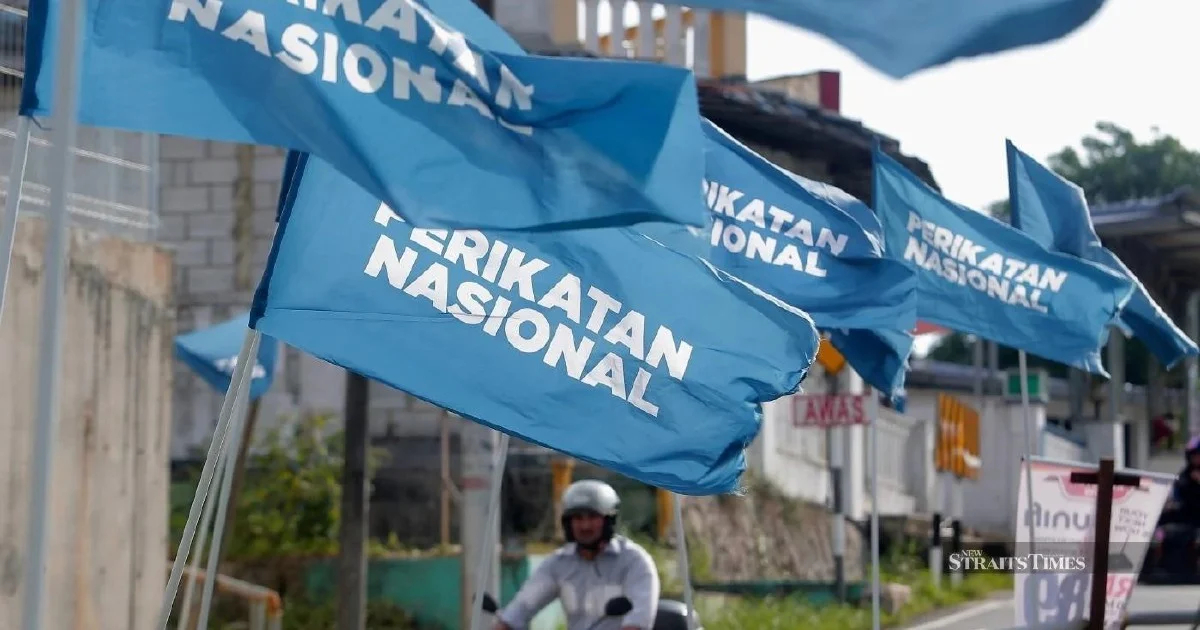
Perikatan Nasional (PN) has moved swiftly to quash false online claims that the opposition coalition intends to sit out the upcoming Johor state election, with deputy chairman P. Punithan dismissing the viral narrative as completely unfounded. The assertion that PN would remain absent from the contest has circulated across social media platforms, generating speculation about the coalition's electoral strategy. Punithan's intervention underscores growing concern within PN about misinformation campaigns that could damage the bloc's credibility as it prepares for a critical electoral contest in a state long considered a barometer of national political sentiment.
The emergence of fabricated statements represents a sophisticated dimension of modern political campaigning in Malaysia, where unverified claims spread rapidly through messaging applications and social networks before mainstream media can verify their authenticity. Such tactics exploit the fragmented information landscape and highlight vulnerabilities in how political messaging gets amplified during election periods. For PN, a coalition that has worked to rebuild its standing since its 2023 general election performance, any suggestion of weakness or internal confusion about electoral participation could undermine voter confidence and damage momentum.
Johor occupies particular significance within Malaysia's political architecture. The state has historically shaped national electoral outcomes and remains strategically important given its size, population, and the complex dynamics between competing coalitions. PN's participation in the state contest carries implications not merely for that jurisdiction but for how the coalition positions itself nationally. Ambiguity about the party's intentions, whether genuine or fabricated, creates space for competitors to craft narratives about disunity or strategic retreat.
The distinction between factual reporting and malicious fabrication becomes increasingly blurred in the digital age, particularly during high-stakes political moments. Punithan's statement serves a dual purpose: it corrects the record while simultaneously drawing attention to what PN frames as deliberate disinformation. The coalition's swift response demonstrates awareness that silence could allow false claims to calcify into perceived truth among sections of the electorate.
PN comprises multiple parties, each with distinct interests and electoral calculations. Coordinating a unified message across these entities during state elections requires careful navigation, and viral misinformation can disrupt such coordination by creating pressure on individual parties to clarify their positions independently. When coalition partners receive conflicting signals—even false ones—from the political environment, maintaining cohesion becomes more difficult.
The timing of such claims merits scrutiny. Electoral cycles in Malaysia often witness increased activity by political operatives seeking to shape narratives and create uncertainty among rival camps. Whether this particular fabrication originated from a coordinated campaign or emerged through organic social media circulation remains unclear, yet the effect potentially serves interests hostile to PN's electoral prospects. Political actors across the spectrum have incentives to test messaging during election periods, and misinformation provides plausible deniability while potentially sowing confusion.
For Malaysian voters attempting to navigate complex political information during election campaigns, such episodes underscore the importance of seeking authoritative sources before accepting claims circulating online. The steady stream of false reports during electoral periods reflects broader challenges in information authenticity and suggests that voters must exercise heightened discernment. Media outlets and civil society organisations play crucial roles in fact-checking and debunking misinformation before it influences electoral behaviour.
PN's electoral strategy in Johor likely reflects calculations about available seats, competitive dynamics with Barisan Nasional and Pakatan Harapan, and resource allocation across multiple state contests. The coalition has positioned itself as an alternative force in Malaysian politics, and participation in major state elections reinforces that positioning. Withdrawal from any significant contest would signal strategic retrenchment and contradict the narrative PN seeks to advance about its political relevance.
The incident also highlights how digital platforms enable rapid dissemination of political messaging with minimal verification requirements. Misinformation thrives in environments where attention spans are short and fact-checking resources are limited. Political parties increasingly find themselves in reactive mode, forced to spend energy debunking false claims rather than advancing their own narratives. This dynamic ultimately serves no participant well, as it degrades the quality of public discourse during crucial moments when voters most need reliable information.
Moving forward, PN faces the substantive challenge of translating Punithan's clarification into sustained electoral mobilisation. The coalition must now demonstrate through concrete campaign activities and candidate announcements that its participation in Johor remains genuine and well-resourced. Empty denials of misinformation, without corresponding action on the ground, risk allowing doubt to persist. How effectively PN translates this episode into motivation for supporters while maintaining coalition discipline will significantly influence its performance in the state contest and, by extension, its trajectory in broader national politics.

