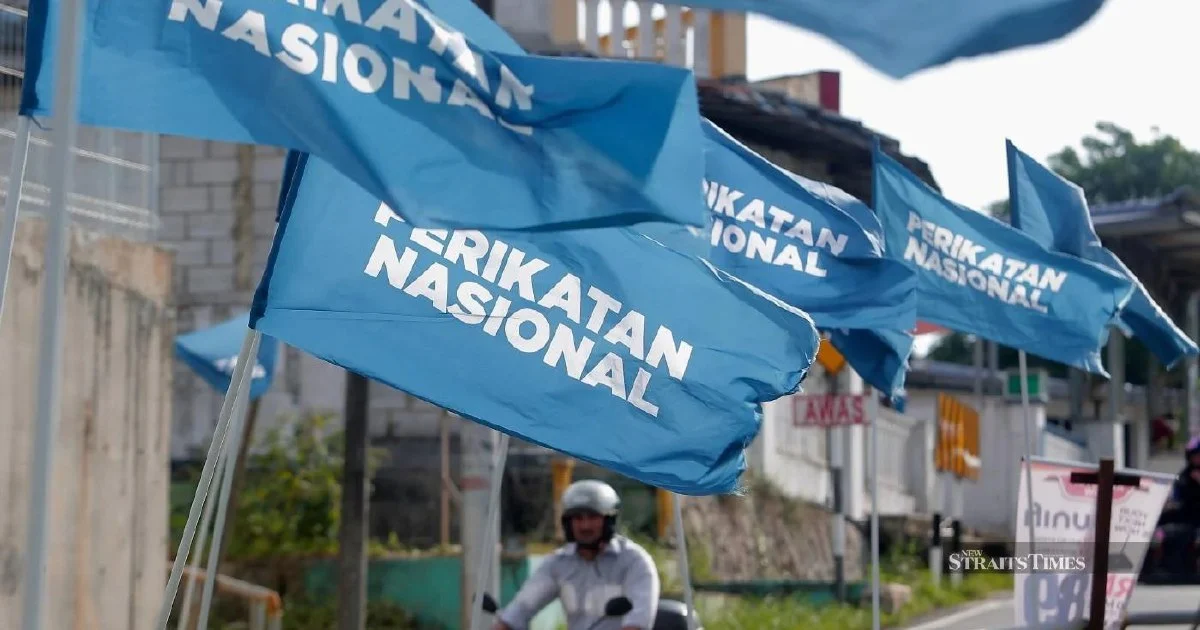
Perikatan Nasional appears committed to preserving its alliance with Bersatu in the immediate term, with political observers pointing to the strategic importance of maintaining a unified front as the coalition approaches crucial state elections in Johor and Negri Sembilan. The decision to keep the coalition intact reflects the practical calculus that fracturing PN's support base at this stage could damage each component party's electoral prospects in contests that will reshape the political landscape in two strategically significant states.
Analysts note that the timing of these elections creates powerful incentives for coalition cohesion. A public split between PN's major components would inevitably dominate campaign narratives, diverting attention and resources from efforts to court voters in these populous states. In Johor, where PN has mounted increasingly competitive challenges against Barisan Nasional's traditional dominance, maintaining organisational unity becomes essential for converting accumulated political momentum into seats. Similarly, Negri Sembilan presents an opportunity for PN to broaden its reach beyond its Malay-Muslim core constituencies, a goal better served by a visibly functional coalition than by a weakened, fractious one.
The relationship between PN's constituent parties has long been complicated by competing interests and leadership ambitions. Bersatu's presence within the coalition reflects a negotiated settlement among parties that do not always align on policy priorities or strategic direction. Analysts suggest that beneath the surface of current coalition stability, persistent disagreements exist regarding everything from resource allocation to candidacy selection for the contested elections. These tensions, however significant in the longer term, take a back seat when immediate electoral calculations dominate decision-making.
Historical precedent illustrates how Malaysian political coalitions often suppress internal conflicts when facing critical electoral tests. The PN coalition itself emerged from the wreckage of Pakatan Harapan's 2020 collapse, cobbled together from partners with divergent ideological backgrounds who nonetheless recognised the value of presenting a united face to voters. That pattern repeats itself now as the coalition approaches elections that will determine whether it can consolidate its position as a genuine alternative to Barisan Nasional across multiple states. Breaking ranks before these contests would squander leverage and invite criticism from supporters who view coalition unity as fundamental to PN's credibility.
For Bersatu specifically, remaining within PN offers institutional advantages that outweigh the frustrations of sharing power and resources. As a party that emerged relatively recently onto the national stage, Bersatu benefits from the broader campaign machinery and voter networks that PN's larger component parties provide. Johor and Negri Sembilan represent opportunities for Bersatu to expand its footprint beyond the states where it currently enjoys stronger entrenchment. Abandoning the coalition now would leave Bersatu fighting these elections at a disadvantage against better-resourced competitors and would signal instability to wavering supporters.
The electoral mathematics in both states favour a coalition approach over fragmented competition. Johor's demographic profile and established voting patterns mean that first-past-the-post competition between multiple non-Barisan Nasional parties would likely result in vote splitting that benefits the incumbent coalition. Negri Sembilan's smaller size and more fluid political dynamics might create openings for independent challenges, but PN components recognise that pooling their campaigns creates synergies that outweigh the costs of compromise. These practical considerations often override personality clashes or policy disagreements when party strategists weigh their options.
Observers also point to the international context of Malaysian politics. Regional media attention on Malaysian electoral developments, combined with investor interest in political stability, creates subtle pressures toward coalition preservation. Coalition breakdown generates headlines about political instability that can unsettle markets and complicate Malaysia's regional diplomatic positioning. While these factors rarely determine outcomes directly, they reinforce the preferences of pragmatic political managers who already recognise that coalition cohesion serves their immediate interests.
Looking ahead, analysts caution that post-election dynamics may differ sharply from the current phase of cooperation. The elections themselves will generate new tensions as parties compete for credit for any victories while avoiding blame for defeats. Resource allocation in state governments will again become contested, and leadership succession issues may resurface with greater urgency once electoral cycles conclude. The question becomes whether PN's constituent parties can maintain collaborative relationships in victory or whether success will trigger the kind of internal positioning struggles that have historically fragmented Malaysian coalitions.
For voters across Johor and Negri Sembilan, the immediate implication is that they will face a more organised PN campaign than might result from coalition breakdown, with campaign resources and candidate selection driven by coalition-wide considerations rather than party-by-party calculations. This could sharpen the choice between Barisan Nasional's incumbency and PN's challenge, creating clearer electoral alternatives even as coalition partners suppress their deeper disagreements. The elections themselves will ultimately determine whether this managed coalition unity translates into genuine political transformation or represents merely a temporary truce between parties with incompatible longer-term visions.