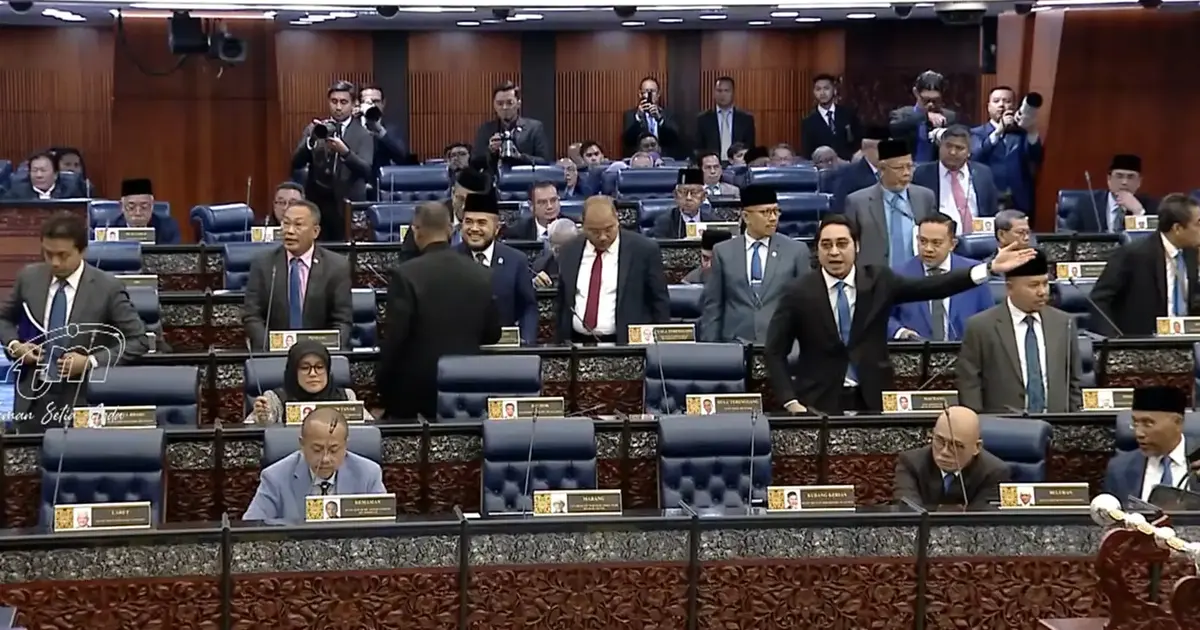
The parliamentary chamber descended into political theatre on Wednesday when Perikatan Nasional lawmakers staged a coordinated walkout following the speaker's refusal to delay a specially convened sitting of the Dewan Rakyat. The opposition coalition's dramatic exit highlighted deepening tensions over procedural rules and substantive disagreements regarding when and how parliament should address matters pertaining to Timber Holdings, the state-linked enterprise at the centre of ongoing controversy.
Perikatan Nasional's core argument centred on a fundamental point of parliamentary protocol: the opposition insisted that any special sitting devoted to Timber Holdings matters ought to be deferred until such time as the prime minister could personally participate in the proceedings. The coalition reasoned that the gravity of the subject warranted the chief executive's direct engagement with the house, rather than proceeding in his absence. This position reflected a broader PN strategy to elevate the profile of Timber Holdings governance issues and ensure they received the highest level of government attention and accountability.
The speaker's decision to proceed regardless represented a significant procedural victory for the government. By declining to grant the postponement, the chair effectively asserted that parliament's business would continue according to schedule, independent of whether individual officials—regardless of rank—could attend. This interpretation favoured legislative continuity over the symbolic weight of executive presence, a distinction that proved costly for opposition morale.
Among Malaysia's fractious opposition landscape, the walkout itself exposed internal fault lines. Bersatu, a component party within Perikatan Nasional's coalition structure, notably chose not to join the mass departure from the chamber. This decision underscored persistent disagreements within the broader opposition alliance regarding tactics and strategy. While Bersatu shares PN's formal coalition membership, the party clearly calculated that participating in the walkout would prove counterproductive or inconsistent with its own parliamentary objectives. Such splits weaken opposition coordination and dilute the political impact of procedural confrontations.
Timber Holdings has emerged as a focal point for opposition scrutiny in recent months, with lawmakers from multiple coalitions demanding enhanced transparency surrounding the entity's operations, financial management, and governance structures. The special sitting represented an attempt to compel detailed discussion of these matters on the parliamentary record. From the government's perspective, proceeding without further delay suggested confidence in its capacity to defend Timber Holdings' current administration.
For Malaysian parliamentary observers, the incident demonstrates the ongoing tension between opposition leverage through procedural mechanisms and government control over the legislative calendar. When the speaker—as a government-aligned official presiding over the house—rejects opposition requests for postponements, government business proceeds largely unimpeded. This dynamic tilts institutional advantage toward the ruling coalition in matters of timing and sequencing, though not necessarily in the substantive outcomes of debates themselves.
The walkout carries symbolic weight in Malaysian politics disproportionate to any immediate legislative consequence. Opposition MPs departed before substantive votes or discussions could unfold, signalling to their constituencies and supporters that they were unwilling to legitimise proceedings they viewed as procedurally flawed. In a parliamentary system where control of the house mathematics remains relatively tight, such gestures serve rhetorical and mobilisation purposes beyond their immediate parliamentary effects.
The divergence between Bersatu's position and that of other PN components raises questions about coalition cohesion heading toward potential electoral contests. Perikatan Nasional has periodically struggled to maintain unified messaging and coordinated action, with constituent parties sometimes pursuing sectarian interests or adopting distinct tactical positions. Bersatu's refusal to participate in this particular walkout may signal either pragmatic calculation about parliamentary effectiveness or emerging disagreements about opposition strategy more broadly.
Timber Holdings itself remains a source of political contention that transcends simple government-opposition divisions. The entity's operations touch upon questions of state enterprise accountability, indigenous land rights in Sarawak, and federal-state resource management. Different opposition parties may prioritise these dimensions differently, potentially explaining why a unified opposition response proved elusive when the walkout occurred.
The incident also illustrates how Malaysian parliamentarians utilise procedural mechanisms as weapons in broader political contests. Unable to command majority votes on substantive measures, opposition lawmakers deploy walkouts, denials of quorum, and requests for postponements as tools to obstruct government agenda and highlight disagreements. While such tactics rarely reverse government policy directly, they generate media attention and demonstrate opposition engagement to their electoral bases.
Looking forward, the Timber Holdings controversy appears unlikely to disappear from parliamentary discourse. Whether through special sittings that proceed despite opposition objections, or through persistent questioning during ordinary parliamentary sessions, the issue will likely resurface. The walkout may ultimately prove a minor episode in a longer-running parliamentary saga, but it underscores the fractious nature of Malaysian opposition politics and the government's considerable institutional advantages in controlling the legislative agenda.
The episode also reflects broader questions about parliamentary effectiveness and accountability in Malaysia. When opposition efforts to delay proceedings can be overridden by speaker rulings, and when coalition members cannot maintain unified positions, the parliament's capacity to serve as an independent check on executive power becomes constrained. These dynamics will continue to shape how Malaysian legislators engage with governance questions of national importance.

