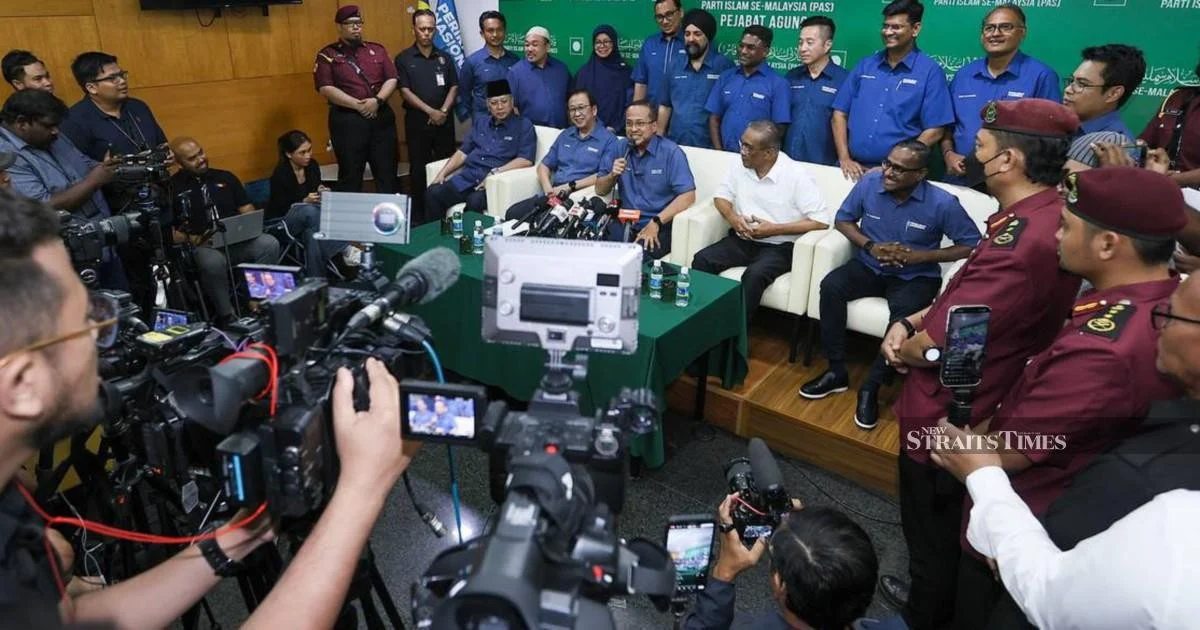
Perikatan Nasional is moving swiftly to resolve internal negotiations over seat distribution in Johor, with coalition leaders scheduled to convene for a decisive meeting in Kuala Lumpur to confirm which constituencies each member party will contest in the state election. The timing of this session underscores the pressure mounting within the opposition alliance to present a united front as campaign season approaches.
The seat-sharing arrangement has proven a contentious issue for PN since the announcement of electoral boundaries and the formal dissolution of the Johor state assembly. Coalition partners must balance their individual political ambitions against the imperative to maximise the bloc's combined electoral performance, a calculation that has historically triggered friction within multi-party alliances in Malaysian politics.
For PN, Johor represents a crucial testing ground. The state remains demographically significant, with substantial voter populations concentrated in urban and semi-urban areas where opposition parties have demonstrated growing appeal. Control of Johor's state assembly would substantially enhance PN's negotiating power in any future federal realignment and validate its claim to be a genuine alternative to the Barisan Nasional-led government.
The coalition comprises multiple parties with distinct regional support bases and ideological orientations. The outcome of today's deliberations will reveal whether PN's leadership has successfully brokered a compromise satisfactory to all members, or whether persistent disagreements will generate public discord that might undermine campaign messaging. Protracted negotiations signal internal weakness at precisely the moment when electoral momentum matters most.
Johor's political landscape presents specific challenges that complicate seat allocation. The state includes constituencies where traditional Barisan Nasional machinery remains deeply entrenched, competing constituencies where multiple opposition parties have plausible claims to victory, and emerging battlegrounds where demographic shifts are reshaping voter preferences. Allocating seats strategically demands sophisticated analysis of historical voting patterns, candidate strength, and tactical synergies between coalition members.
Previous PN negotiations in other state elections have occasionally produced last-minute compromises that satisfied few parties. Some member parties have occasionally contested seats where other coalition members also fielded candidates, diluting the opposition vote and handing victories to government-backed contenders. Avoiding such costly divisions requires decisive leadership and goodwill among coalition partners—qualities not always evident in Malaysian opposition politics.
The regional implications extend beyond Johor's borders. A successful PN performance would energise opposition supporters throughout Peninsula Malaysia and demonstrate viability as an electoral force capable of challenging entrenched incumbents. Conversely, a fractious campaign hampered by internal disputes would encourage grassroots disappointment and validate Barisan Nasional's traditional argument that opposition coalitions cannot sustain coherent governance.
Johor's electorate watches these developments with interest. Voters increasingly demand that opposition parties demonstrate competent internal organisation and strategic clarity before entrusting them with state-level responsibilities. Coalition discord signals potential governance challenges that may concern pragmatic voters concerned primarily with economic performance and administrative stability rather than ideological positioning.
The meeting's outcome will likely become apparent through formal announcements and media briefings within hours. Party spokespersons will frame the allocation as evidence of successful inter-party cooperation and strategic wisdom, regardless of any underlying compromises or lingering dissatisfaction. Public divisions would damage the coalition's electoral credibility, so member parties typically present unified faces during campaign periods even when internal tensions remain unresolved.
PN's Johor strategy reflects broader competition within Malaysia's fragmented opposition landscape. Multiple non-Barisan Nasional groupings claim to represent genuine alternatives, each advancing distinctive policy frameworks and leadership visions. PN's consolidation in Johor signals attempts to establish itself as the primary opposition vehicle in the state, potentially marginalising other opposition-minded actors competing for the same voter base.
The election timeline remains fluid, though speculation suggests polling may occur within the coming months. Early seat allocation clarifies candidate positioning and enables campaign machinery to mobilise resources efficiently. Delayed decisions create uncertainty that complicates candidate recruitment and organisational planning, particularly among grassroots volunteers who require clear direction to sustain campaign enthusiasm.
For Malaysian observers tracking opposition politics, today's PN meeting represents an important data point regarding coalition stability and strategic coherence. The coming campaign will reveal whether internal negotiations have produced durable consensus or merely papered over fundamental disagreements destined to resurface under electoral pressure. Johor voters will ultimately determine whether PN's organisational performance translates into political dividends at the ballot box.