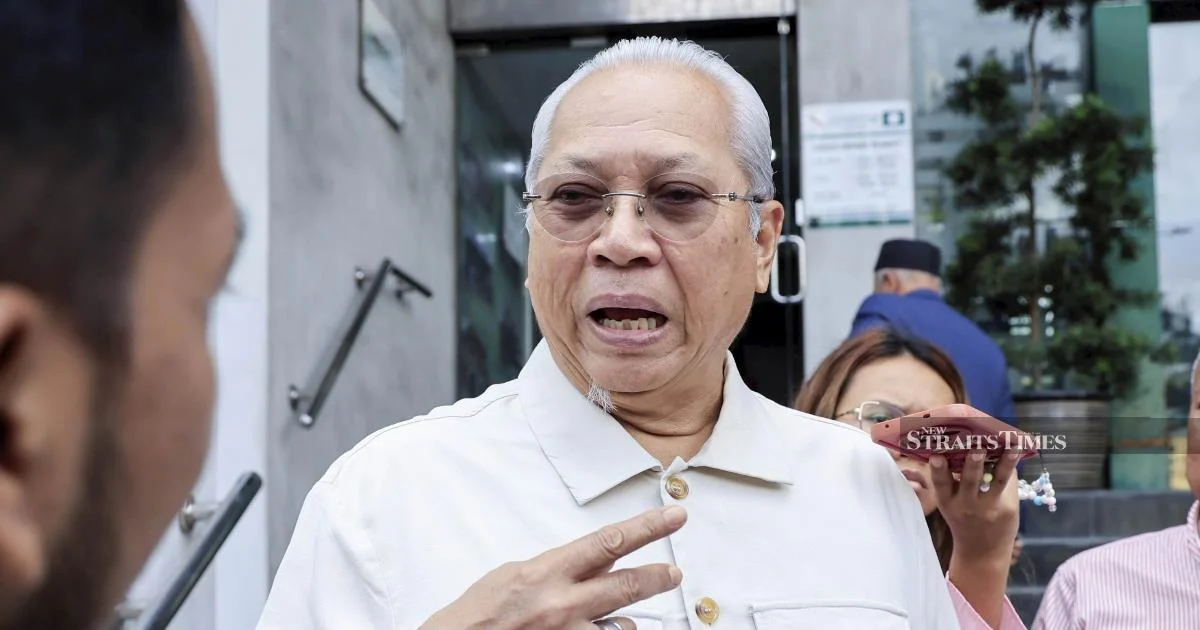
The Perikatan Nasional coalition has successfully concluded its internal seat negotiations for the Johor state elections, with multiple party leaders emerging from discussions visibly content with the outcomes achieved during talks held at Pas headquarters in Kuala Lumpur. The completion of these discussions marks a significant milestone for the opposition alliance, which has been working to present a united front ahead of upcoming electoral contests in the southern state.
The smooth conclusion of the seat allocation process represents a notable achievement for an ideologically diverse coalition that brings together Islamist and conservative nationalist parties. Perikatan Nasional, which comprises Pas, Bersatu, and Warisan among its core components, has previously faced internal tensions over seat distribution in various electoral contests. The absence of visible acrimony during these Johor deliberations suggests that coalition leaders have managed to find mutually acceptable compromises that satisfy the competing interests of member parties.
Seat allocation negotiations are typically among the most fraught moments in any multi-party political coalition, as they directly determine which parties contest which constituencies and thus shape the distribution of potential seats and ministerial positions. The apparent harmony demonstrated by PN leaders as they departed the Pas headquarters gathering indicates that the coalition's major players—each with significant electoral aspirations in Johor—have found an equitable framework for dividing contested constituencies.
Johor represents particularly important electoral terrain for Perikatan Nasional, given the state's substantial parliamentary contribution and its position as the nation's second-largest economy. The southern state has been a traditional stronghold for various political forces over the decades, and control of Johor state politics carries implications beyond the state assembly, influencing national political dynamics and coalition strength in parliament. For PN, which has emerged as a potent opposition force since the 2022 general elections, Johor is a critical battleground where it hopes to expand its political footprint.
The satisfaction expressed by PN leaders suggests that the coalition's internal mechanisms for dispute resolution have functioned effectively in this instance. Coalition leadership, recognising the political cost of visible internal conflict, appears to have prioritised maintaining public unity during the critical pre-election period. This approach contrasts with previous instances where coalition partners have allowed disagreements over seat allocations to become public spectacles that undermine electoral prospects.
Bersatu, the largest component of Perikatan Nasional and led by former Prime Minister Muhyiddin Yassin, likely played a central role in steering these negotiations toward consensus. As the coalition's de facto leadership structure, Bersatu's willingness to accommodate partner parties' demands significantly influences the tone and outcomes of such discussions. The apparent success of these talks reflects Bersatu's investment in maintaining coalition cohesion ahead of Johor elections.
For Pas, the Islamic party that chairs Perikatan Nasional, these negotiations also carry symbolic weight beyond mere seat counts. As the coalition's formal leader, Pas bears responsibility for ensuring that negotiations proceed fairly and that all partner parties feel adequately represented. The positive atmosphere evident after these talks suggests that Pas has managed this delicate balancing role successfully, lending credibility to Perikatan Nasional's claim that it represents a viable governing alternative.
The smooth completion of these seat talks also sends important signals to potential allies and wavering supporters. In Malaysian politics, coalition stability often determines electoral viability, with voters and political actors closely observing whether coalitions can maintain unity or are prone to public feuding. The united front presented by PN leaders emerging from these negotiations potentially enhances the coalition's electoral attractiveness among voters concerned about political stability.
Looking forward, the attention now turns to whether Perikatan Nasional can translate this internal harmony into electoral gains in Johor. The coalition will need to ensure that agreed-upon seat allocations do not become sources of grievance among party members at lower levels, where activists and aspiring candidates may feel disadvantaged by leadership decisions. The broader test will come during the actual campaign period, when the coalition must demonstrate that its member parties can campaign cohesively without undermining each other's efforts.
The successful conclusion of these negotiations also reflects the political maturity that Perikatan Nasional has developed since its formation. Early challenges to the coalition's viability have given way to institutional arrangements that allow member parties to accommodate competing interests while maintaining electoral partnership. Whether this institutional progress translates into sustainable political advantage remains to be seen, but the evident goodwill among PN leaders following these discussions suggests that the coalition has successfully navigated one of the most difficult aspects of multi-party electoral preparation.