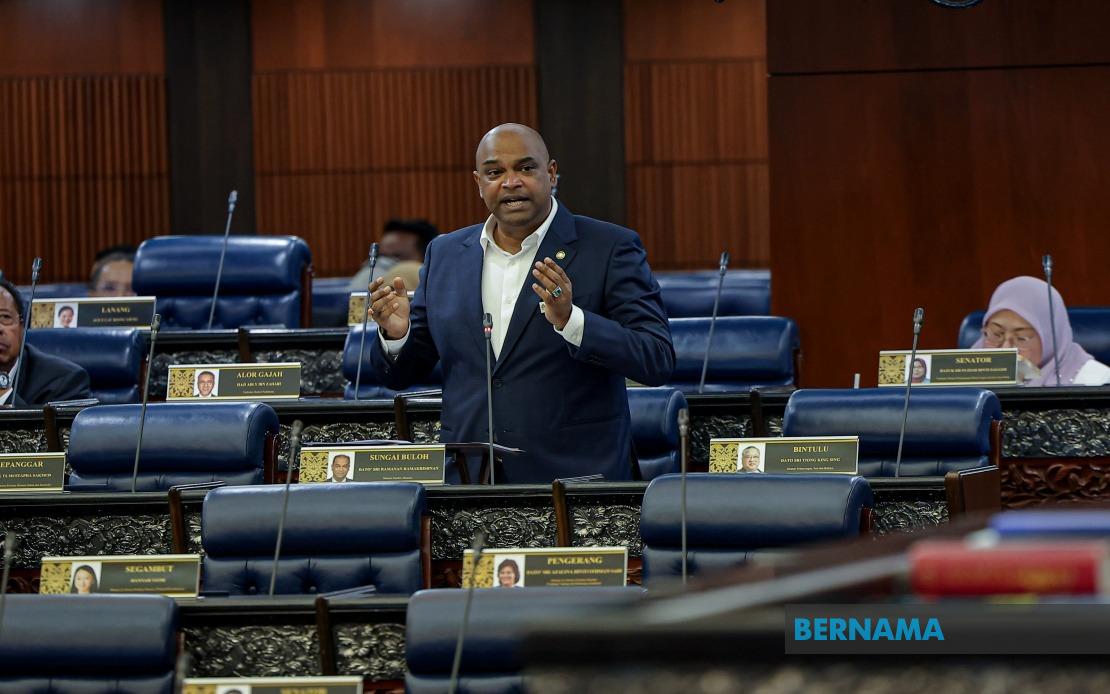
Malaysia's Social Security Organisation (PERKESO) has demonstrated robust operational performance, maintaining a claims processing and benefit payment compliance rate exceeding 96 per cent throughout the previous year. Human Resources Minister Datuk Seri R. Ramanan disclosed this achievement during parliamentary proceedings, emphasising that the organisation's service delivery has strengthened substantially through the adoption of more rigorous Customer Charter protocols established last year.
The enhanced Customer Charter standards introduced by PERKESO encompass all benefit categories delivered under three primary schemes: LINDUNG Pekerja, LINDUNG Kendiri, and LINDUNG Kasih. These standards apply to all claims once contributors have submitted complete documentation, creating a transparent and predictable processing framework. The organisation has implemented differentiated timeframes based on claim complexity, recognising that various benefit types require varying assessment periods.
For more straightforward claims, PERKESO has established a two-day processing window covering Funeral Benefit and Temporary Disablement Benefit applications. More intricate benefit determinations, including Permanent Disablement Benefit, Invalidity Pension, Survivor's Pension, and Dependant's Benefit claims, operate within a three-day processing timeline. This segmented approach balances the need for thorough evaluation with prompt benefit delivery, addressing the financial urgency often accompanying disability or family loss situations.
The LINDUNG Kerjaya scheme represents PERKESO's newest initiative, with 2025 Customer Charter provisions specifying a uniform two-day processing period for all benefit categories measured from the receipt of complete applications. This standardised approach reflects heightened operational maturity. Notably, PERKESO's overall Customer Charter performance for the LINDUNG Kerjaya scheme achieved an exceptional 99.68 per cent compliance rate, indicating near-flawless adherence to published service commitments on this newer platform.
Digitalisation has emerged as a cornerstone of PERKESO's service modernisation strategy. The organisation continues advancing its technological infrastructure through multiple channels, including the LINDUNG Faedah PERKESO portal, which streamlines the claims submission and tracking process. These digital investments reflect broader regional trends across Southeast Asia, where social security organisations increasingly leverage technology to enhance accessibility and reduce processing bottlenecks that disproportionately affect vulnerable populations.
A particularly significant upgrade involves the 1Best system, fully implemented during the current year. This internal benefits processing infrastructure represents a fundamental overhaul of how PERKESO manages claims internally, enabling faster data verification, reduced manual handling, and minimised transcription errors. Simultaneously, the introduction of the PRIHATIN application extends user-friendly access to PERKESO service information directly to contributors' mobile devices, democratising knowledge about available benefits and entitlements.
Beyond technological solutions, PERKESO has established the Prihatin Squad (SPP), a dedicated advisory service providing direct assistance to contributors, beneficiaries, and insured persons. This human-centred intervention recognises that many Malaysians, particularly those in informal sectors or with limited digital literacy, benefit from personalised guidance through the claims process. The SPP effectively bridges the gap between automated systems and vulnerable populations who might otherwise struggle navigating bureaucratic procedures during times of injury or hardship.
Accident cases present particular urgency, prompting PERKESO to strengthen coordination between hospitals and its processing teams. The INSPIRE System creates direct electronic links between hospital accident and emergency departments and PERKESO databases, enabling real-time claim initiation at the point of injury. For emergency situations, the organisation has simplified procedures to completion within 24 hours, providing immediate financial relief to seriously injured workers and their families during critical recovery periods.
Fraud prevention remains a critical operational priority within social security systems. PERKESO employs a multi-layered verification methodology that combines automated screening with manual assessment. While artificial intelligence tools conduct preliminary screening to identify potentially irregular claims, human specialists perform secondary verification as a double-checking mechanism. This hybrid approach acknowledges that technological systems, despite their sophistication, require human judgment to distinguish between genuine complexity and actual fraudulent intent, protecting the scheme's sustainability for legitimate contributors.
The compliance achievements underscore PERKESO's evolution from a traditional government agency into a modern service organisation responsive to contemporary Malaysian workers' needs. The 96 per cent-plus compliance rate suggests the organisation has successfully balanced throughput with quality, processing vast claim volumes without compromising accuracy. For Malaysian contributors and beneficiaries, these improvements translate into faster access to critical income support during vulnerable periods.
These performance metrics hold particular significance for Malaysia's informal and gig economy workers, who frequently experience longer waiting periods for benefit approval elsewhere in the region. PERKESO's sustained commitment to processing timeframes provides crucial financial stability for self-employed individuals and micro-entrepreneurs during temporary or permanent work disruption. The organisation's performance also positions Malaysia competitively within Southeast Asia's social security landscape, demonstrating that public sector efficiency and dignity in service delivery remain achievable at scale.
The trajectory outlined by Minister Ramanan indicates PERKESO's continued investment in modernisation will likely expand further. Upcoming enhancements may include additional artificial intelligence applications for claims categorisation, expanded portal functionalities, and further integration between healthcare facilities and social security databases. These developments suggest the organisation is positioning itself to meet evolving worker protection demands in Malaysia's rapidly transforming labour market.

