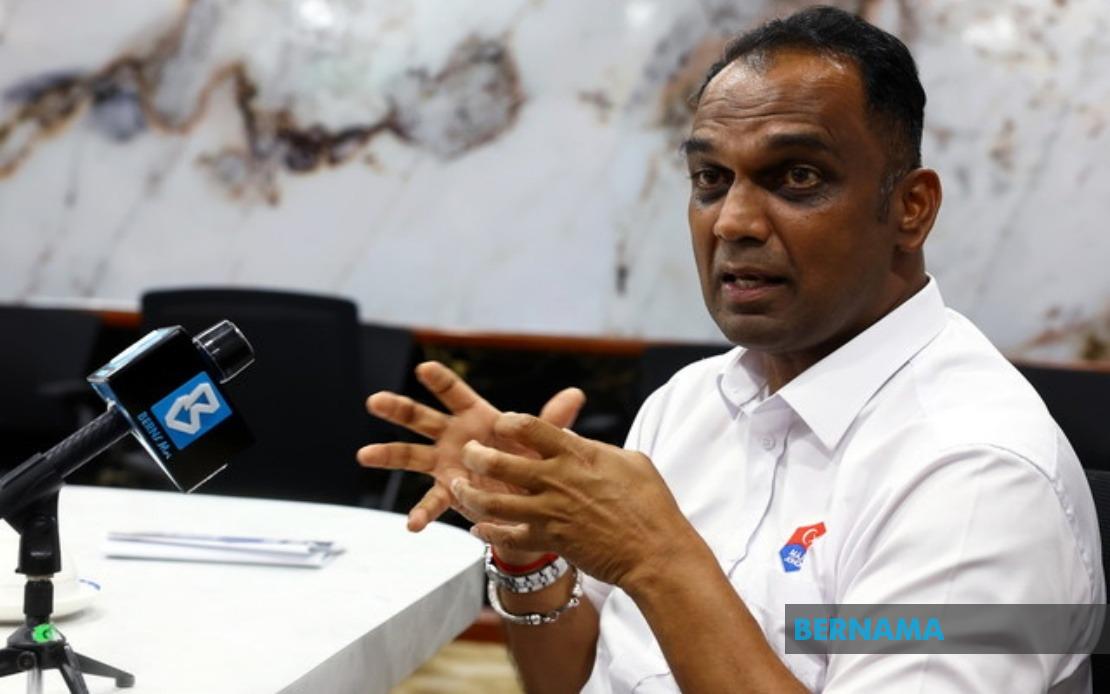
P. Pannir Selvam, the Barisan Nasional candidate contesting the Perling seat in Johor's 16th state election, is betting heavily on an old-fashioned approach to modern campaigning. Rather than relying predominantly on social media and mass messaging, the debut state-level politician is executing what he terms "pocket talks"—intimate gatherings where he meets voters in small groups to discuss local concerns and present his vision for the constituency. This strategy reflects a calculated belief that despite the digital age's expanding reach, direct human interaction remains the most persuasive tool for securing voter confidence and establishing lasting political bonds.
The decision to prioritise grassroots engagement over online campaigns does not represent a dismissal of digital platforms' significance. Pannir Selvam acknowledges the growing prominence of social media as a modern campaign instrument, yet he contends that interpersonal dialogue through intimate sessions creates a more substantial impact on voters' decision-making. The pocket talk methodology, he argues, effectively narrows the psychological distance between elected representatives and constituents, transforming abstract political promises into concrete, personalised conversations where voters feel genuinely heard and valued. This distinction carries particular weight in Malaysian electoral culture, where traditional values of personal rapport and community interconnection remain influential alongside contemporary communication trends.
Through these targeted sessions conducted across the Perling state assembly division, Pannir Selvam aims to accomplish multiple objectives simultaneously. The platform enables him to introduce himself in an approachable manner rather than through formal media appearances, explain his policy priorities within a context where voters can ask questions and provide immediate feedback, and demonstrate understanding of neighbourhood-specific issues that concern residents. This approach transforms campaign engagements from top-down messaging into bottom-up dialogue, ostensibly allowing him to tailor his pitch to local preoccupations rather than delivering standardised talking points. By framing these conversations as opportunities to understand community needs rather than simply to promote himself, Pannir Selvam attempts to establish credibility as someone genuinely interested in constituent welfare.
The candidate's early assessment of these pocket talks has proven encouraging, lending him confidence as the campaign intensifies toward polling day on July 11. The positive reception he reports from local voters validates his strategic choice, suggesting that the grassroots engagement resonates with the electorate's expectations and preferences. For a first-time state assembly candidate, such validation becomes psychologically and politically important, reinforcing his conviction that the chosen pathway offers the most effective route to victory within this three-cornered contest involving Pakatan Harapan candidate Alan Tee Boon Tsong and Parti Bersama Malaysia candidate Boo Wei Han.
Beyond campaign strategy, Pannir Selvam frequently references his father, Datuk KS Balakrishnan, as a source of both emotional support and political wisdom. The elder Balakrishnan's background—five terms as Permas Assemblyman and former Johor state executive council member—positions him as a seasoned political mentor whose experience in public service and constituency representation spans decades. At 84 years old, his continued willingness to accompany his son to campaign locations despite physical demands and weather challenges carries symbolic weight, demonstrating familial solidarity while lending the younger candidate the credibility that association with an established political figure provides within Malaysian electoral contexts.
The relationship highlights a significant dimension of Malaysian politics rarely discussed in campaign coverage: the intergenerational transmission of political values and practical governance knowledge. Pannir Selvam has publicly credited his father with teaching him fundamental principles about public service, particularly the importance of serving all constituents without discrimination based on race, religion, or socioeconomic status, and accepting criticism constructively rather than defensively. These values represent the explicit ethical framework that Pannir Selvam presents as guiding his candidacy, suggesting that his appeal rests not merely on promised infrastructure projects but on claims about personal character and commitment to inclusive governance.
The candidate's pledge to the Perling electorate reflects both his prior experience and identified local problems. As a former member of Johor Bahru City Council, he positions himself as someone with practical experience in municipal administration and understanding of how local government functions. His specific commitments to address traffic congestion and inadequate parking around Taman Perling Public Market indicate that he has identified concrete grievances affecting daily life for residents, rather than offering only abstract development promises. This localism appeals to voters genuinely struggling with traffic and parking challenges, suggesting that the candidate has conducted sufficient ground research to understand what matters most to constituents.
The Perling state assembly division presents a competitive electoral landscape. With 109,992 registered voters, the constituency represents a reasonably substantial electorate, and the three-cornered contest between BN, Pakatan Harapan, and Parti Bersama Malaysia ensures that votes could fragment significantly. Pannir Selvam's victory is far from assured, particularly given that Pakatan Harapan maintains considerable support in certain Johor constituencies. The close contest intensifies the significance of his grassroots strategy; in fragmented three-way races, candidates who successfully mobilise their core supporters through personal contact often outperform those relying solely on mass media campaigns.
The broader Johor state election, scheduled for July 11 with early voting on July 7, encompasses 172 candidates contesting 56 seats statewide. This election carries importance beyond Johor itself, as it provides an electoral barometer for national political trends and potentially influences calculations within the ruling federal coalition. Perling's outcome, while representing just one of 56 contests, contributes to this larger political narrative. Pannir Selvam's campaign approach—emphasising personal engagement and local problem-solving—mirrors tactics employed by numerous candidates across Malaysia's political spectrum, suggesting that despite sophisticated digital campaign technologies, traditional interpersonal politics retains fundamental importance in determining electoral outcomes.
For Malaysian voters and political observers, Pannir Selvam's campaign exemplifies a persistent tension within contemporary politics: the simultaneous reliance on digital connectivity and the enduring power of face-to-face engagement. His strategy implicitly argues that voters demand not merely efficient government or well-developed policy platforms, but also representatives who demonstrate personal commitment to understanding their concerns and serving their interests with integrity. Whether this approach succeeds in the Perling division will become apparent on July 11, but regardless of outcome, it illustrates how Malaysian candidates navigate the intersection between modernised campaign methods and traditional political relationships.

