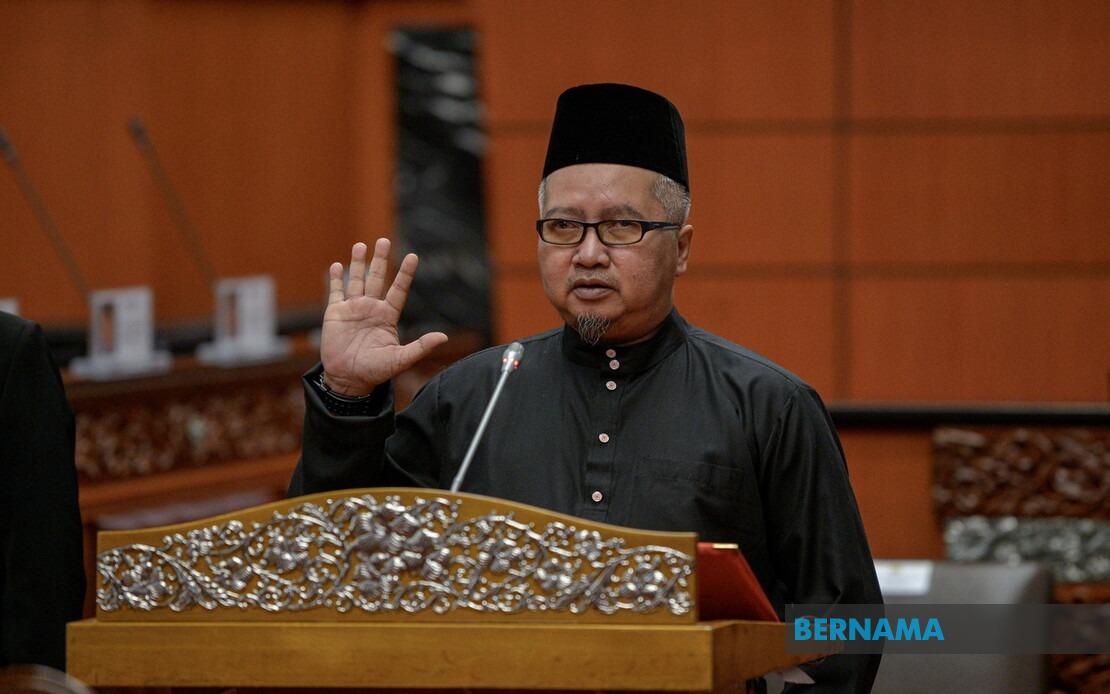
Senator Azahar Hassan, who served as Perlis secretary for Parti Pribumi Bersatu Malaysia (Bersatu), announced his departure from the party on July 9 in Kangar, bringing to an end his formal association with the outfit after less than a year of holding the position. The resignation takes effect immediately and encompasses all official roles he held within Bersatu's organisational structure.
In his statement, Azahar explained that his decision to leave stemmed from a comprehensive evaluation of the current political landscape and a reassessment of his own convictions regarding the direction of his political engagement. He characterised the move as a natural consequence of his core beliefs and personal reflections, suggesting that remaining within the party's framework would have compromised his political integrity. The senator indicated that the resignation reflected a deliberate choice to align his actions with principles he holds dear.
Azahar's exit from Bersatu represents a notable development in Perlis politics at a time when the party has been navigating internal dynamics and shifting alignments across Malaysia's political landscape. His departure raises questions about potential tensions or philosophical divergences within the state branch, particularly given his relatively recent appointment to formal leadership within the party structure. The timing of such resignations often signals broader concerns about party direction or governance that extend beyond individual personality clashes.
Despite severing his party ties, Azahar made clear that his responsibilities to the constituents he represents would remain unchanged. He pledged to continue executing his duties as a member of the Dewan Negara, the upper house of Parliament, with full commitment to the interests of Perlis. This distinction—between party membership and parliamentary obligation—reflects the constitutional separation between political affiliation and legislative duty that underpins Malaysia's parliamentary system.
Azahar's appointment to the Senate came through the Perlis State Legislative Assembly on October 10, 2024, positioning him as a representative of the state's interests at the federal level. His tenure as a senator thus commenced only months before his party resignation, a relatively brief period that underscores the significance of his decision to step away from Bersatu. The Dewan Negara appointment carries considerable prestige within Malaysian politics, and maintaining that position while leaving the party suggests his commitment to public service transcends party lines.
The resignation of party officials in Malaysia frequently occurs during periods of political realignment or when internal party dynamics become untenable for individual members. Bersatu itself has experienced notable personnel movements in recent years as Malaysian politics has undergone substantial restructuring. For Perlis, a state that has witnessed its own political evolution with changing coalitions and allegiances, such departures form part of the broader narrative of political dynamism in the country.
Azahar's decision to maintain his Senate seat while leaving the party presents an interesting scenario whereby he can continue contributing to national legislation and policy discussions while exploring alternative political options or pursuing independent political thought. This approach is not uncommon in Malaysian politics, where some legislators have chosen to operate outside formal party structures while retaining their parliamentary mandates.
The implications of his resignation extend to Bersatu's organisational structure in Perlis, particularly regarding leadership continuity and party management at the state level. The loss of a senator-level figure from the party's secretary position may necessitate internal restructuring and adjustments to how the party coordinates its activities and representation in the state. Additionally, his departure may influence perceptions of stability or cohesion within Bersatu's Perlis operation.
For observers of Malaysian politics, Azahar's exit contributes to the broader pattern of political mobility that characterises the current era. The period following the 2022 general elections has witnessed substantial movement of political figures between parties, changes in coalition arrangements, and individual declarations of principle that sometimes result in party departures. These movements often reflect genuine philosophical differences or frustrations with party direction, as well as calculations about political viability and personal advancement.
The senator's statement emphasising principles and personal considerations suggests he views his political journey as guided by substantive concerns rather than opportunistic positioning. Whether he will eventually affiliate with another party, maintain independence, or pursue a different political trajectory remains to be determined. His retention of the Senate seat provides him with a platform from which to advance his political agenda, regardless of party affiliation.
For Perlis residents and Malaysians following national politics, Azahar Hassan's resignation underscores the fluid nature of party politics in the country. As political parties continue to compete for members, ideas, and support, departures by sitting officials highlight the ongoing negotiations between individual conviction and organisational loyalty that characterise democratic politics. The coming months will likely reveal more about his next political moves and his relationship with Bersatu or other potential political vehicles.

