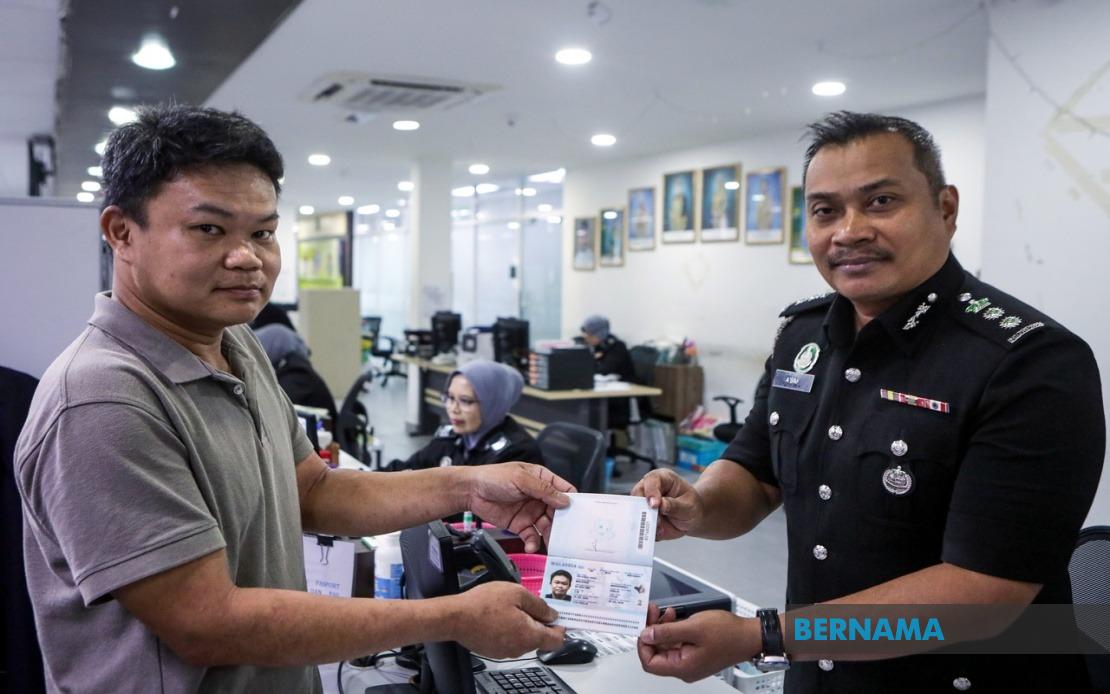
The Perlis Immigration Department has commenced issuing the newly redesigned Malaysian International Passport at its Kangar Urban Transformation Centre office, marking the beginning of a nationwide rollout of a substantially upgraded travel document that incorporates 94 distinct security features. This development follows the successful installation of a modern passport printing machine earlier this month, enabling the northern state to be among the first jurisdictions in the country to distribute the enhanced travel document to eligible citizens.
According to Perlis Immigration director Mohammad A'sim Md Ali, the current printing capability is confined to the facilities at the Kangar UTC Immigration Office. However, the department is preparing to expand this capacity once construction and infrastructure improvements at the Perlis Ministry of Home Affairs Complex are finalised. The director indicated that the second printing machine installation at the ministry's main complex is slated for completion in October following the completion of upgrades to the building's service infrastructure and customer interaction areas. This phased approach to equipment deployment reflects broader planning across immigration offices nationwide to ensure adequate capacity across multiple locations.
The positive reception during the initial launch phase in Perlis suggests strong public appetite for the new document. Over the seven-month period from January 1 to July 17, the state's immigration department processed 31,722 travel-related documents in total. This volume comprised 6,918 standard passports, 72 Restricted Travel Documents issued for individuals with specific movement limitations, and 24,732 Border Passes for cross-frontier travel. These figures underscore the significant workload handled by Perlis Immigration and demonstrate the demand for various forms of travel documentation among residents seeking to move across international and regional boundaries.
Prime Minister Datuk Seri Anwar Ibrahim formally unveiled the new Malaysian International Passport during an official ceremony on June 30, marking a significant milestone in modernising the country's travel security infrastructure. Public applications for the new passport commenced on July 1 and are available to all Malaysian citizens aged 18 and above. A key feature of the new scheme is flexibility in validity periods, allowing applicants to select either a five-year or ten-year passport validity term depending on their travel frequency and personal preferences. This choice represents a departure from previous fixed-term arrangements and aligns with international best practices observed in other advanced passport systems throughout the region and globally.
The introduction of this redesigned passport constitutes a substantial advancement in securing Malaysia's travel documentation systems against counterfeiting, forgery, and other forms of fraudulent misuse. The 94 integrated security features encompass both visible and hidden protective elements designed to prevent unauthorised duplication and ensure that immigration authorities can rapidly authenticate documents during border control procedures. These enhancements are particularly relevant given evolving global threats to document security and the increasing sophistication of criminal networks engaged in identity fraud and travel document trafficking.
From a practical standpoint, the new passport represents a significant convenience upgrade for Malaysian travellers. Beyond the security improvements, the document provides expanded functionality and added services that reflect contemporary travel needs and international standards. This modernisation effort aligns Malaysia with regional counterparts such as Singapore and Thailand, which have similarly enhanced their passport offerings with advanced security technology and extended validity options. The implementation demonstrates the Malaysian government's commitment to maintaining competitiveness in facilitating lawful international travel while maintaining rigorous security protocols.
The staggered rollout across different states, with Perlis leading the implementation, allows immigration authorities to monitor system performance, gather user feedback, and address any technical or procedural issues before wider deployment. This measured approach reduces the risk of widespread disruptions and enables continuous refinement of application processes and document production workflows. Other state immigration offices will progressively receive their own printing equipment as infrastructure upgrades are completed throughout the country, ensuring equitable access to the new passport system across all Malaysian jurisdictions.
For Malaysian residents in northern states including Perlis, Kedah, and potentially Penang, the availability of the new passport at the Kangar UTC location provides convenient access without requiring travel to federal territory offices in Kuala Lumpur. This regional distribution of passport services reflects broader government decentralisation efforts to bring essential administrative functions closer to citizen populations. The expansion planned for October will further enhance service accessibility within Perlis itself.
The transition to the new passport system carries implications for Malaysia's standing in international travel security frameworks and bilateral agreements with other nations. Countries increasingly expect trading partners and neighbour states to maintain passport security standards consistent with international conventions and recommendations from the International Civil Aviation Organization. Malaysia's proactive modernisation of its travel documents strengthens its position within international travel and immigration networks and facilitates smoother cross-border movements for its citizens.
Looking ahead, the successful launch in Perlis will serve as a testing ground for identifying best practices in document production, counter distribution, and public education that can be replicated as the programme expands nationwide. Citizens planning international travel should consider whether the enhanced security features and flexible validity periods of the new passport align with their travel schedules and requirements, particularly given the option to select longer validity periods that may provide greater value for frequent travellers.

