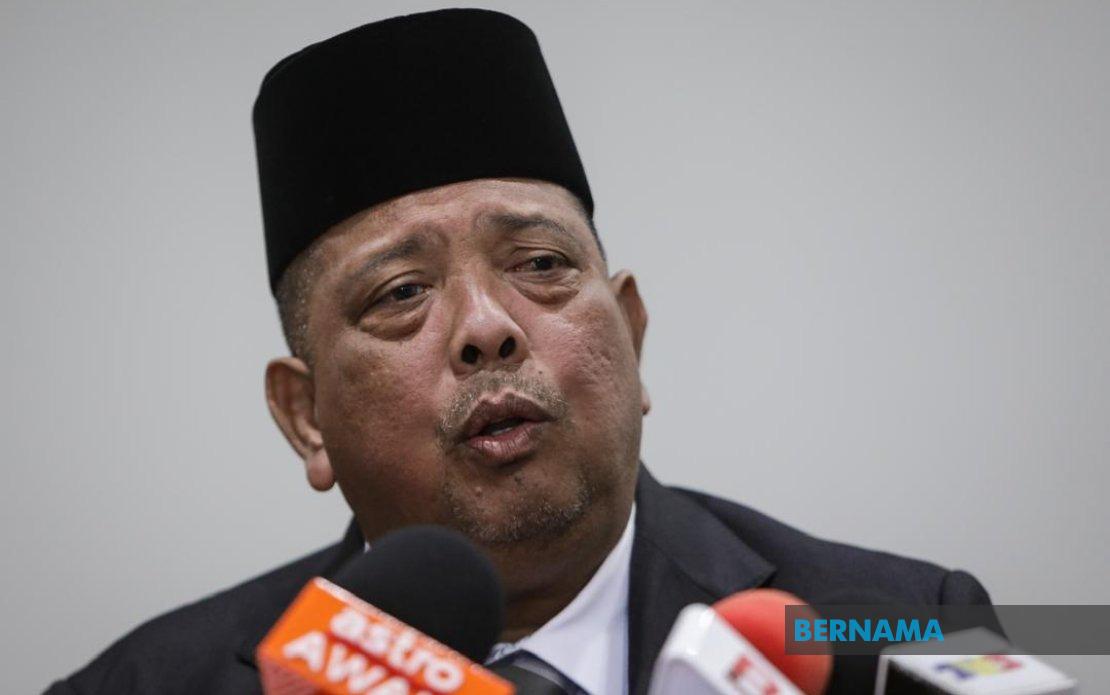
Perlis Menteri Besar Abu Bakar Hamzah has stepped away from his position on the Parti Pribumi Bersatu Malaysia (Bersatu) Supreme Leadership Council following the submission of his resignation letter the previous week. The decision, announced on July 9 in Kangar during a welcoming ceremony for delegates from the Thai province of Satun, marks a strategic shift in the state leader's priorities as he enters the final stretch of his current term.
Despite relinquishing his national party leadership role, Abu Bakar clarified that his resignation extends only to the Supreme Leadership Council portfolio. He continues to serve as the state chief of Bersatu in Perlis and maintains his position overseeing the Kangar division, underscoring that the move represents a narrowing of focus rather than a departure from the party itself. This distinction carries significance for understanding the nuances of intra-party politics within Bersatu, where members can occupy multiple hierarchical positions simultaneously.
The timing of Abu Bakar's decision appears closely linked to the political realities facing his administration. With only approximately one year remaining before the state legislative assembly's current term concludes, the Menteri Besar faces mounting pressure to deliver tangible results on key policy fronts. His stated intention to concentrate resources on investor attraction and the achievement of specified key performance indicators reflects a pragmatic assessment of where executive effort can yield maximum impact during his remaining tenure.
The announcement comes against the backdrop of significant developments in cross-border relations, as evidenced by the resumed ferry service between Kuala Perlis and Satun. This transport link, dormant since the onset of the COVID-19 pandemic, represents an important economic and cultural corridor for the northern state. Abu Bakar's decision to emphasise administrative focus aligns with broader efforts to revitalise economic activity and international connections that have stalled during the pandemic period.
Royalty's explicit backing proved instrumental in shaping the political environment for this decision. During the opening of the state assembly on June 3, Tuanku Syed Sirajuddin Jamalullail, the Raja of Perlis, issued a decree granting Abu Bakar the necessary political space to lead the state without interference until the conclusion of the 15th state legislative assembly term. This high-level endorsement provided essential cover for any perceived shifts in the Menteri Besar's priorities and signalled the palace's confidence in his stewardship.
The workload argument presented by Abu Bakar reflects genuine governance challenges confronting Perlis as a relatively smaller state with limited administrative apparatus. Unlike larger Malaysian states with more extensive bureaucratic infrastructure, Perlis demands highly personalised leadership from its chief executive. The cumulative demands of state administration, national party responsibilities, electoral management, and diplomatic engagement with neighbouring jurisdictions can create unsustainable competing obligations, particularly as election cycles approach.
Abu Bakar's resignation was not an isolated incident within the party hierarchy. He indicated that Sena assemblyman Datin Marzita Mansor, who also sits on the state executive council, had similarly stepped down from her position as an MPT member. Though attempts to obtain independent verification of Marzita's resignation remained unsuccessful at the time of reporting, the apparent coordination of resignations suggests potential broader strategic repositioning within Bersatu's Perlis machinery. Whether these simultaneous moves reflect party-wide directives or individual decisions to align priorities remains an open question.
The implications of this move extend beyond personal or local considerations. Bersatu, as the party vehicle of former Prime Minister Mahathir Mohamad, continues to navigate its role within Malaysia's fractious coalition politics. Personnel movements at the state level, particularly among elected representatives with administrative responsibilities, can signal shifts in resource allocation or strategic focus within the broader party structure. Abu Bakar's withdrawal from the Supreme Leadership Council may indicate that managing state-level governance has taken precedence over participation in national party deliberations.
For Malaysian political observers, the resignation underscores a recurring tension in modern Malaysian politics: the difficulty of simultaneously managing state administration and higher-level party responsibilities. Elected state leaders often find themselves pulled between attending to immediate constituent needs and participating in national party machinery. This challenge becomes particularly acute during terminal phases of elected terms when chief executives must demonstrate measurable achievements to justify their continuance in office.
The broader context of this announcement also reflects evolving priorities within Bersatu as the party grapples with maintaining cohesion across different states and factional groupings. State leaders' decisions to prioritise local governance over national party roles can either signal confidence in local organisational strength or suggest shifting power dynamics. Abu Bakar's framing emphasised the positive—focusing administrative energies on delivery—rather than any underlying party tensions, a rhetorical approach typical of Malaysian political communications.
Looking ahead, the Perlis political landscape will bear watching as the current state assembly term progresses toward its conclusion. Abu Bakar's consolidation of focus on state administration could position him either for re-election or retirement, depending on party calculations and electoral dynamics. His administrative priorities around investor attraction and KPI achievement will become the measurable basis for evaluating his final year in office, making the decision to shed national party responsibilities strategically sound from a political survival perspective.

