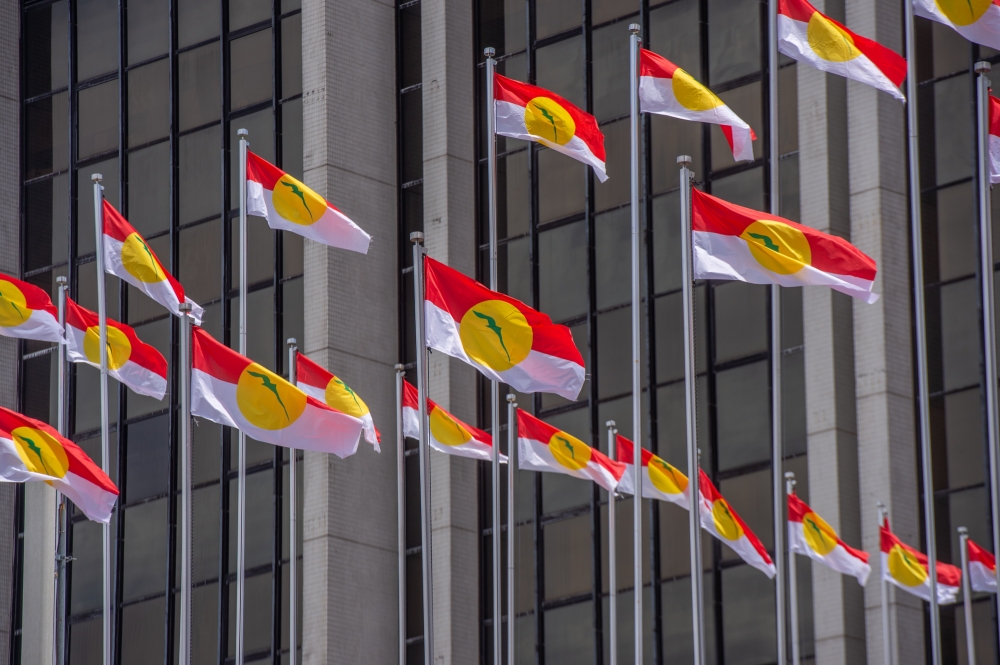
Perlis Umno has begun intensive preparations to field candidates across all 18 electoral contests in the northern state, encompassing the entire slate of 15 state assembly seats and three parliamentary constituencies. The party's decision to pursue a solo campaign represents a significant strategic repositioning, moving away from the traditional power-sharing arrangements that have characterised Malaysian coalition politics for decades.
The move reflects broader tensions within Malaysia's political landscape as component parties of long-standing alliances reassess their viability and electoral prospects. For Perlis specifically, Umno's choice to contest independently suggests confidence in its grassroots organisation and appeal among voters, even as it signals potential fractures in established coalition frameworks. The strategy places the party in direct competition with other political entities that traditionally contested as teammates rather than rivals.
This development carries implications beyond Perlis's borders. The state serves as a microcosm of how Malaysia's political formations are evolving, with major parties increasingly willing to test their individual strength rather than depend on coalition arrangements. Such moves can either strengthen local political competition by offering clearer ideological choices or fragment anti-government or pro-government voting blocs, depending on voter behaviour and party performance.
Umno's machinery in Perlis has been directed to strengthen organisational capacity across all constituencies. Party officials are overseeing candidate selection processes, voter registration drives, and the activation of party structures at divisional and branch levels. This groundwork, typically reserved for seats parties expect to contest, now encompasses the entire electoral map. The intensity of preparation suggests Umno's confidence that its brand and membership base can sustain campaigns across multiple fronts simultaneously.
The timing of this announcement carries weight within Malaysia's electoral calendar. Perlis, as one of Malaysia's smallest states by population and economy, often receives less national media attention than larger states like Selangor or Johor. However, its political composition influences parliamentary arithmetic at the federal level, and shifts in Perlis politics reverberate through national coalition calculations. Umno's determination to claim all seats in this state underscores how even smaller electoral territories merit strategic investment from major parties.
Historically, Perlis has been Umno-dominant territory, with the party wielding considerable influence over state governance. However, coalition arrangements with smaller parties and periodic changes in electoral fortunes have meant that not all seats have remained under Umno's direct control. The decision to contest all 18 seats abandons any accommodation of potential partners, suggesting either confidence in party strength or a calculated risk that even unsuccessful candidates will enhance Umno's overall positioning in the state.
The implications for other political actors in Perlis remain to be seen. Traditional coalition partners may interpret the move as a rejection of existing arrangements, potentially prompting them to contest independently or realign with alternative political groupings. Umno's unilateral decision to pursue all seats could trigger compensatory repositioning by smaller parties and opposition groups seeking to maximise their own electoral opportunities in response.
For Malaysian voters in Perlis, the shift means greater direct engagement with Umno's platform without the moderating or distinct perspectives that coalition partners typically introduce. This may simplify electoral choices or potentially polarise the political landscape, depending on how effectively rival parties mobilise their own machinery. Voters accustomed to coalition arrangements must now evaluate Umno's candidates and policies in isolation.
The broader context involves Malaysia's ongoing recalibration of political alliances following the 2022 general election, which produced a hung parliament and complex coalition negotiations. Subsequent state elections have seen various major parties test new electoral strategies and organisational approaches. Perlis Umno's decision reflects this experimental phase in Malaysian politics, where traditional certainties are being tested and new equilibriums are being sought.
Resource allocation represents another significant dimension of Umno's strategy. Contesting all 18 seats requires substantial financial outlay for campaign materials, candidate support, and grassroots mobilisation. This commitment signals that Umno's leadership considers Perlis sufficiently important to warrant comprehensive electoral investment, or alternatively, believes that comprehensive coverage amplifies the party's message and organisational visibility even if some seats prove unwinnable.
The solo contest strategy also reflects internal party dynamics. Umno's preparation to contest independently may indicate that the party's internal structures have developed sufficient autonomy and candidate depth to fill all electoral positions credibly. Party elections and merit-based selection processes have presumably generated a pipeline of candidates capable of representing the party across diverse constituencies, a prerequisite for such comprehensive electoral coverage.
Political observers in Southeast Asia will likely monitor Perlis's election closely as a case study in how major parties navigate coalition politics when smaller partners lack leverage. The outcome will provide data on whether comprehensive electoral coverage by a single dominant party strengthens or weakens overall political engagement, and whether voters respond differently to solo campaigns versus coalition arrangements. For Perlis specifically, the election will determine whether Umno's confidence in contesting all seats translates into expanded political control or represents an overreach that fractures the party's influence.

