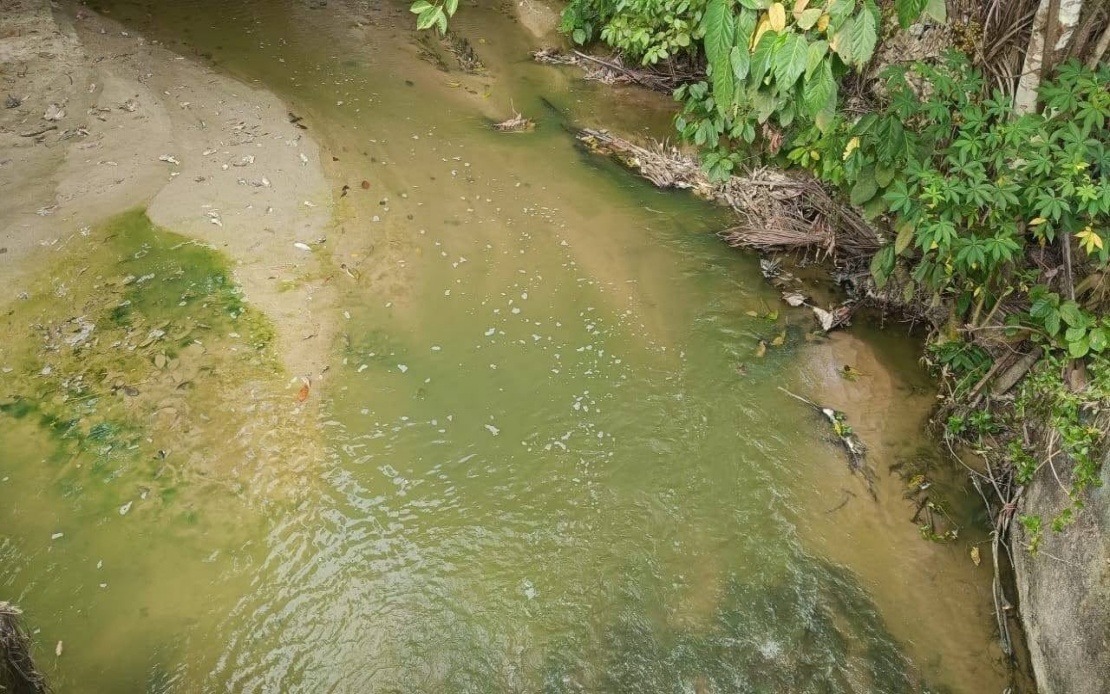
A striking change in water colour along the Pertang River in Jelebu, Negeri Sembilan, has prompted official clarification from state fisheries authorities, who say the unusual green hue stems entirely from natural algae proliferation rather than industrial discharge or contamination. The finding comes after a social media post questioning the discolouration gained traction online, prompting investigations by the Negeri Sembilan Department of Fisheries (DOF) into conditions affecting the waterway and adjacent aquaculture operations.
Kasim Tawe, director of the Negeri Sembilan DOF, explained that the water's transformation reflects an ecological response to prevailing environmental conditions rather than any harmful external factor. Prolonged hot weather combined with inadequate rainfall has created ideal circumstances for green algae to flourish within fish-breeding ponds situated near the river, he stated. These conditions have been particularly pronounced across Peninsular Malaysia in recent months, creating similar challenges for aquaculture operators throughout the region.
While algae blooms often trigger public concern, Kasim emphasised that in moderated quantities and under proper management, algae can actually benefit farmed fish populations. The organisms generate dissolved oxygen through photosynthesis and serve as a natural food source for certain aquaculture species, contributing positively to overall water quality dynamics. Additionally, algae films on pond surfaces shield fish from direct solar radiation, thereby reducing physiological stress during periods of extreme heat—a consideration of growing importance as Southeast Asian temperatures continue to rise.
However, the director cautioned that unmanaged algae proliferation carries significant risks. When algal density becomes excessive, particularly during night-time hours when photosynthesis ceases, dissolved oxygen concentrations can plummet suddenly, potentially suffocating fish. The decomposition of excess organic matter similarly depletes oxygen reserves. Additionally, rapid algae growth can trigger wild fluctuations in water pH, creating hostile conditions that may clog fish gill structures and compromise respiratory function. For fish farmers whose livelihoods depend on healthy stock survival, these scenarios represent serious operational threats.
The Pertang River system, a converted mining pond spanning approximately 29.54 hectares, currently supports breeding operations for baung, red tilapia, and Lee Koh fish. This historical land-use conversion illustrates Malaysia's experience repurposing former extractive mining sites for aquaculture development—a pattern repeated across Peninsular Malaysia where mining-scarred landscapes have been transformed into productive fisheries. The transition demonstrates pragmatic environmental rehabilitation, though such facilities require constant monitoring to prevent ecological disturbances affecting downstream communities.
In response to the green discolouration incident, the DOF has recommended several practical interventions for fish breeders seeking to manage algae growth more aggressively. Installing waterwheel aeration systems—particularly beneficial during evening and nocturnal hours when dissolved oxygen is most critical—represents an accessible first measure. Gradual water exchange, rather than sudden drainage, helps maintain stable conditions. Fish farmers can also reduce feeding rates, thereby lowering excess nutrients that fuel algae growth, while installing shading nets provides alternative sun protection without relying entirely on algae films. The application of beneficial bacteria cultures, sometimes called probiotics, can help rebalance microbial communities within pond ecosystems, while cautiously reducing fish population density alleviates overcrowding stress.
The situation reflects broader challenges facing Southeast Asian aquaculture amid climate variability. Extended hot and dry periods, increasingly common across the region, stress farming systems designed around historical climate patterns. Fish breeders from Thailand to Indonesia have reported similar algae bloom problems in recent seasons, suggesting the phenomenon reflects regional climate trends rather than isolated incidents. Malaysia's Department of Fisheries advocacy of proactive monitoring and sustainable farming practices aligns with broader regional efforts to adapt agricultural systems to changing environmental conditions.
To prevent future similar incidents, the Jelebu District Fisheries Office has established ongoing collaborative monitoring arrangements with the Pertang Police Station, creating a coordinated surveillance framework. This partnership approach combines technical fisheries expertise with local law enforcement capacity, enabling rapid response to emerging problems while simultaneously gathering intelligence about any genuine pollution sources. The arrangement reflects recognition that agricultural and environmental oversight increasingly requires inter-agency cooperation across traditionally separate jurisdictions.
The viral social media narrative surrounding the river's discolouration underscores how digital communication platforms can rapidly amplify public health concerns, sometimes outpacing official investigation capacity. While such scrutiny can motivate necessary regulatory action, misinformation spread through unverified posts can also stigmatise legitimate agricultural operations and create unnecessary alarm. The DOF's transparent public communication addressing the actual causes demonstrates a communication approach aimed at public reassurance while maintaining credibility through detailed technical explanation. For Malaysian aquaculture operators and riverside communities, the clarification provides important context about distinguishing between natural ecological phenomena and actual water pollution requiring remedial intervention.

