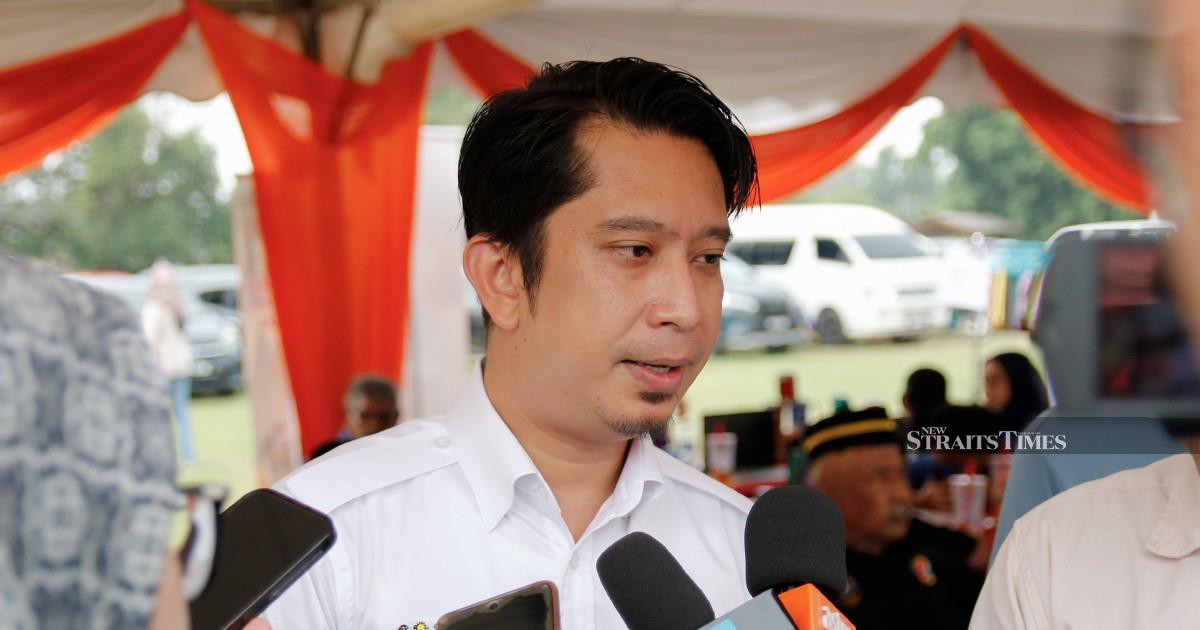
Discussions between Pakatan Harapan and Barisan Nasional regarding electoral cooperation in Melaka remain at an informal stage, with no structured negotiation framework having been established, according to PKR state chief Adam Adli Abdul Halim. The absence of formal talks underscores the complexity of coalition-building at the state level in Malaysia, where regional dynamics often diverge from national political arrangements and where constituencies may demand tailored strategies rather than top-down directives.
The Melaka state election represents a significant test of whether national-level political alliances can effectively translate into operational cooperation at the grassroots. Both coalitions maintain substantial support bases in the state, though their relative strength varies considerably across different parliamentary and state constituencies. The lack of formal dialogue at this stage suggests either that preliminary soundings are still ongoing or that both sides remain cautious about committing to specific arrangements that could alienate their respective support bases.
Adam Adli's statement carries particular weight given PKR's position within Pakatan Harapan as a central pillar of the coalition and a party with considerable electoral machinery in Melaka. His acknowledgment of the informality of current discussions indicates that any eventual cooperation framework remains subject to significant negotiation, with no predetermined outcomes or seat-sharing agreements yet in place. This transparency, while potentially frustrating to party supporters seeking clarity, reflects the fragile nature of multi-party political arrangements in Malaysian electoral politics.
The timing of such negotiations is critical in state elections, where campaign machinery requires advance planning and candidate selection becomes increasingly difficult as election dates approach. Both Pakatan Harapan and Barisan Nasional face pressure from internal factions and constituent parties to secure favourable nominations and competitive positions. In this context, the continued informality of PH-BN discussions may indicate ongoing internal consultations within each coalition about acceptable cooperation parameters and red lines.
Melaka's political history demonstrates the volatility of state-level politics in Malaysia. The state has witnessed multiple changes in government and coalition arrangements over recent electoral cycles, partly reflecting the state's demographic diversity and the presence of significant voter blocs with distinct political preferences. Pakatan Harapan's performance in Melaka during the 2022 general election and subsequent state-level dynamics have shaped current coalition calculations. Barisan Nasional, meanwhile, maintains traditional strongholds in certain districts but faces ongoing challenges in urban and semi-urban areas where opposition support remains robust.
The distinction between formal and informal negotiations carries practical implications. Informal discussions allow both sides to explore possibilities without public commitment, preserving flexibility and enabling rapid pivot if circumstances change. Conversely, the absence of formal structures can lead to confusion, misaligned expectations, and last-minute disagreements that destabilise campaign efforts. For voters seeking to understand the likely political landscape post-election, the current informality presents uncertainty about coalition possibilities and how states of representatives might translate into government formation.
Intra-coalition dynamics within both PH and BN complicate negotiation processes. Pakatan Harapan comprises multiple parties including PKR, DAP, Amanah, and others, each with distinct organisational strengths and constituency interests. Similarly, Barisan Nasional spans UMNO, MCA, MIC, and various component parties, all pursuing state-specific strategies. Any cooperation framework must satisfy these internal stakeholders while maintaining coherence, a balancing act that requires careful negotiation and compromise.
Electoral history in Melaka suggests that voter sentiment on the ground may ultimately determine outcomes regardless of elite-level negotiations. The state has demonstrated capacity to surprise political observers through unexpected shifts in electoral behaviour. This unpredictability may be another factor prompting both coalitions to maintain flexibility by avoiding overly rigid formal arrangements that could prove counterproductive if political conditions shift.
The statements from party leadership regarding negotiation status serve multiple audiences. Adam Adli's comments reassure his own party base that PKR remains an independent actor capable of advancing its interests, while simultaneously signalling to Barisan Nasional counterparts that Pakatan Harapan remains open to discussions without predetermined positions. Such measured public communication reflects mature coalition politics where parties maintain negotiating positions while avoiding inflammatory rhetoric that could foreclose future cooperation.
For Malaysian observers, the ongoing uncertainty about Melaka's coalition arrangements reflects broader patterns in contemporary Malaysian politics, where national coalitions increasingly fragment at state level and where electoral alliances become transaction-specific rather than permanent fixtures. The eventual outcome of Melaka negotiations will provide insights into the durability of Pakatan Harapan as a cohesive national force and the capacity of Barisan Nasional to rebuild electoral dominance through strategic partnerships.
Moving forward, formal negotiations will likely commence once internal consultations within both coalitions reach sufficient maturity. The timeline for such talks depends on multiple variables including when the Melaka state election will be called, internal party deliberations on candidate selection, and the emergence of consensus around acceptable terms. Until then, both Pakatan Harapan and Barisan Nasional will maintain their current posture of cautious exploration, preserving options while avoiding public commitments that might constrain future flexibility.

