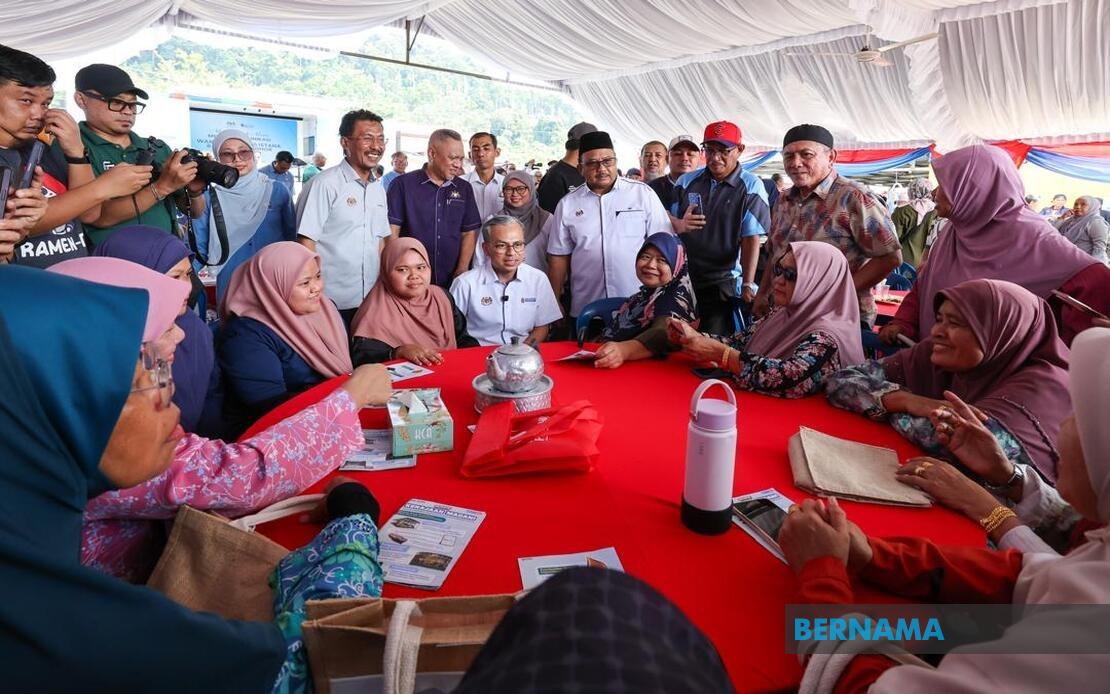
Pakatan Harapan's top communications strategist has dismissed suggestions that the coalition's manifesto launch came too late to bolster its campaign for the Johor state election, instead arguing that releasing the policy document was a calculated move that came after thorough internal vetting. Datuk Fahmi Fadzil, who serves as both Communications Minister and PH's communications director, made the remarks in Batu Pahat on July 4 while defending the decision to present the 'Johor for All' manifesto during the second week of campaigning rather than earlier in the electoral period.
The timing of the manifesto's Friday release has drawn scrutiny from political observers and opposition figures who contend that a quicker rollout would have given PH stronger momentum during the campaign's opening days. Former Bangi MP Ong Kian Ming, in particular, had flagged concerns that the delayed launch risked leaving PH at a disadvantage by failing to establish a compelling electoral narrative early enough to shape voter sentiment. Ong's assessment formed part of a broader critique questioning PH's readiness for the contest, which also touched on the coalition's reluctance to name a menteri besar candidate before polling day and the absence of senior party figures standing for state assembly seats.
Fahmi's response to these criticisms stressed that PH had prioritised substance over speed, choosing to withhold the manifesto's publication until its contents received comprehensive refinement and formal endorsement from the coalition's topmost decision-makers, including Prime Minister Anwar Ibrahim. This approach, Fahmi suggested, ensured the document would carry the full weight of leadership authority and represent a genuinely integrated policy platform rather than a hastily assembled collection of campaign promises. By framing the manifesto as thoroughly vetted and leadership-backed, Fahmi sought to reposition what opponents saw as a liability into evidence of PH's disciplined and methodical campaign operation.
The timing argument carries particular weight in Malaysian electoral campaigns, where the initial fortnight often sets the tone for media coverage and voter expectations. By introducing candidates during the campaign's opening week and reserving the manifesto for the second week, PH adopted a two-stage communication strategy that allowed the coalition to build anticipation while maintaining focus on ground-level engagement with voters. Fahmi's contention that manifesto launches by both major coalitions typically cluster around mid-campaign reflects an attempt to normalise PH's schedule and suggest that Ong's timeline concerns represent misreading of standard electoral practice rather than genuine strategic misstep.
Fahmi also seized the opportunity to redirect criticism toward the Barisan Nasional camp, particularly targeting former UMNO Youth chief Khairy Jamaluddin's assertion that the PH manifesto amounted to little more than recycled content copied from BN's own policy document. Rather than engaging substantively with the accusation, Fahmi employed a pointed personal critique, observing that Khairy appeared to be campaigning far more visibly and energetically than Johor Menteri Besar Datuk Onn Hafiz Ghazi himself. This observation carried implicit suggestions about leadership stature and political relevance, with Fahmi sardonically noting that it would benefit Onn Hafiz if he possessed Khairy's apparent campaign vigour and readiness to engage in public debate, as demonstrated by Khairy's willingness to challenge PH's Puteri Wangsa candidate Maszlee Malik.
The broader context for these positioning battles involves vulnerability within PH's coalition structure, particularly concerning the Democratic Action Party's handling of historical pardon issues linked to former Prime Minister Najib Tun Razak. Former Skudai assemblyman Marina Ibrahim recently used social media to announce her political retirement, citing disillusionment with what she characterised as DAP leadership's duplicitous stance regarding pardon discussions for Najib. Such defections, though isolated, signal potential fractures that could undermine PH's electoral machinery if they gain wider traction among voters concerned about consistency in the coalition's positions on high-profile governance matters.
Fahmi addressed these internal coalition concerns by expressing confidence that circulating allegations about DAP leaders' pardon positions would prove inconsequential to PH's campaign momentum. He grounded this optimism in observable grassroots engagement, citing consistently strong turnout and voter enthusiasm at PH events throughout the campaign period. The presence of DAP representatives among PH's state assembly candidates, including Ng Yak Howe running for the Bentayan seat, underscores the coalition's continued reliance on its multiethnic, multireligious configuration to maintain electoral competitiveness, particularly in urban and mixed constituencies across Johor.
The Johor state election itself represents a significant test for PH's revival ambitions following setbacks in recent electoral cycles. The contest will see 172 candidates competing for 56 state assembly seats, with polling scheduled for July 11 and early voting opportunities available on July 7. The election occurs amid broader dynamics affecting Malaysian politics, including shifting voter sentiment, evolving coalition alignments, and questions about whether PH can demonstrate recovery after absorbing electoral losses in recent years. For a government that has emphasised reform and renewed engagement with ordinary Malaysians, Johor's results will carry symbolic weight beyond the state itself, signalling whether the coalition retains capacity to expand its territorial footprint or faces continued contraction.
The manifesto launch debate ultimately reflects deeper questions about campaign strategy and political communication in Malaysian electoral contests. While Fahmi's emphasis on thorough preparation and leadership endorsement presents a defensible rationale for the timing decision, the fact that such criticism warranted direct ministerial rebuttal suggests that the coalition perceived genuine risk in allowing the narrative to settle around suggestions of strategic fumbling. In defending PH's choices during these crucial weeks before polling day, Fahmi attempted to convert what critics framed as hesitation into evidence of responsible governance and inclusive coalition decision-making. Whether Malaysian voters perceive the manifesto launch timing as strategic prudence or preventable delay will emerge as campaigns intensify and the July 11 election approaches.

