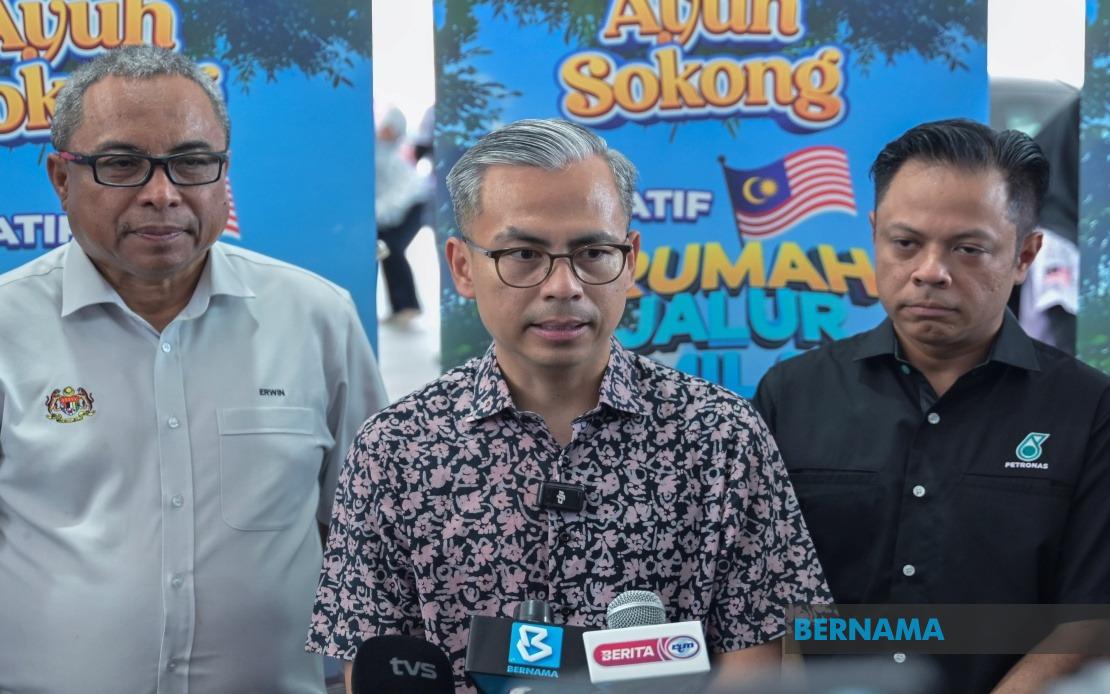
Coalition politics in Malaysia continues to evolve as Pakatan Harapan (PH) signals receptiveness towards seat-sharing discussions with Barisan Nasional (BN) for the forthcoming Melaka state election. The development marks a pragmatic turn in federal coalition relations, with PH communications director Datuk Seri Fahmi Fadzil characterising BN's openness to negotiations as a worthwhile opportunity meriting serious examination by both coalitions.
Fahmi's remarks come following BN chairman Datuk Seri Dr Ahmad Zahid Hamidi's announcement that the coalition remains receptive to discussing seat allocation, including potential exchanges of constituencies, provided negotiations proceed transparently and uphold each party's entitlements. This conditional openness represents a measured approach to coalition dynamics, establishing parameters that protect individual parties' interests while permitting flexibility in overall seat distribution strategies.
The numerical disparity between the coalitions in Melaka underscores the pragmatism informing these discussions. With BN commanding 21 of the state assembly seats against PH's five, the current balance heavily favours the incumbent coalition. Fahmi characterised this disproportion as a realistic foundation for negotiations, suggesting that PH recognises the existing power dynamics while pursuing optimal outcomes within those constraints. The asymmetry also explains why BN can afford measured openness—they negotiate from a position of considerable strength.
Keadilan Melaka chairman Yang Berhormat Adam Adli has already initiated direct engagement with Melaka Chief Minister Datuk Seri Ab Rauf Yusof on seat distribution questions, indicating that preliminary discussions have moved beyond abstract possibility into concrete dialogue. This channel of communication between state-level representatives suggests that negotiations may already be advancing beyond public statements, with substantive talks potentially proceeding behind closed doors.
Fahmi's framing of seat negotiations within a dual context—state and federal considerations—reveals the complexity characterising modern Malaysian coalition arrangements. Decisions regarding Melaka's legislative assembly composition carry implications extending beyond the state, potentially affecting federal-level dynamics and coalition stability at the national level. This interconnection means that seat arrangements cannot be viewed in isolation but must account for broader political equilibrium between PH and BN at the national stage.
The emphasis on honesty and sincerity, as stipulated by Ahmad Zahid, reflects a recognition that successful coalition partnerships require trust and transparent dealings. These conditions implicitly reject the opacity that has characterised some previous political arrangements, signalling that both coalitions intend approaching these negotiations with declared principles rather than concealed agendas. For Malaysian voters increasingly sceptical of political manoeuvring, such stated commitments to transparency carry symbolic weight beyond their operational implications.
Melaka's electoral significance extends beyond its state-level importance. As a bellwether state with a volatile political history, developments in Melaka elections frequently presage broader shifts in Malaysian electoral patterns. Coalition arrangements forged in Melaka may establish templates replicated elsewhere, making these negotiations consequential for coalition architecture across multiple states. The state's unpredictability also means that both coalitions must calibrate seat distributions carefully to maximise electoral competitiveness while maintaining coalition coherence.
PH's welcoming stance towards these negotiations likely reflects several considerations. First, the coalition recognises that demonstrating collaborative flexibility appeals to voters fatigued by political acrimony. Second, securing additional seats in Melaka, even through modest gains, strengthens PH's position in a state where it remains substantially outnumbered. Third, portraying BN as willing coalition partners serves PH's broader narrative of responsible governance and coalition stewardship, differentiating the party from more confrontational political approaches.
BN's calculated openness similarly serves multiple strategic purposes. By appearing flexible and open to discussion, BN enhances its image among voters concerned that the coalition operates with authoritarian rigidity. Demonstrating that power-sharing arrangements remain possible across coalition lines suggests political maturity and democratic commitment. Simultaneously, BN's capacity to negotiate from strength—given its substantial seat majority—allows the coalition to appear magnanimous whilst preserving its essential interests and majority position.
The unresolved question concerns whether these negotiations produce substantive outcomes or remain largely performative gestures. Past Malaysian political experience demonstrates that coalition partners frequently engage in extended discussions without reaching comprehensive agreements, instead settling negotiations through election results rather than prior arrangements. Voters in Melaka may ultimately determine seat distribution through their ballots rather than through backroom agreements between party leadership.
For Malaysian observers, these developments illustrate the adaptive nature of coalition politics in a maturing democratic system. Rather than winner-take-all approaches, both PH and BN appear inclined towards managed negotiation, suggesting that Malaysian political culture increasingly values coalition stability over zero-sum competition. Whether this trend continues depends substantially on electoral outcomes and whether current collaborative gestures translate into durable institutional arrangements extending beyond the Melaka election cycle.

