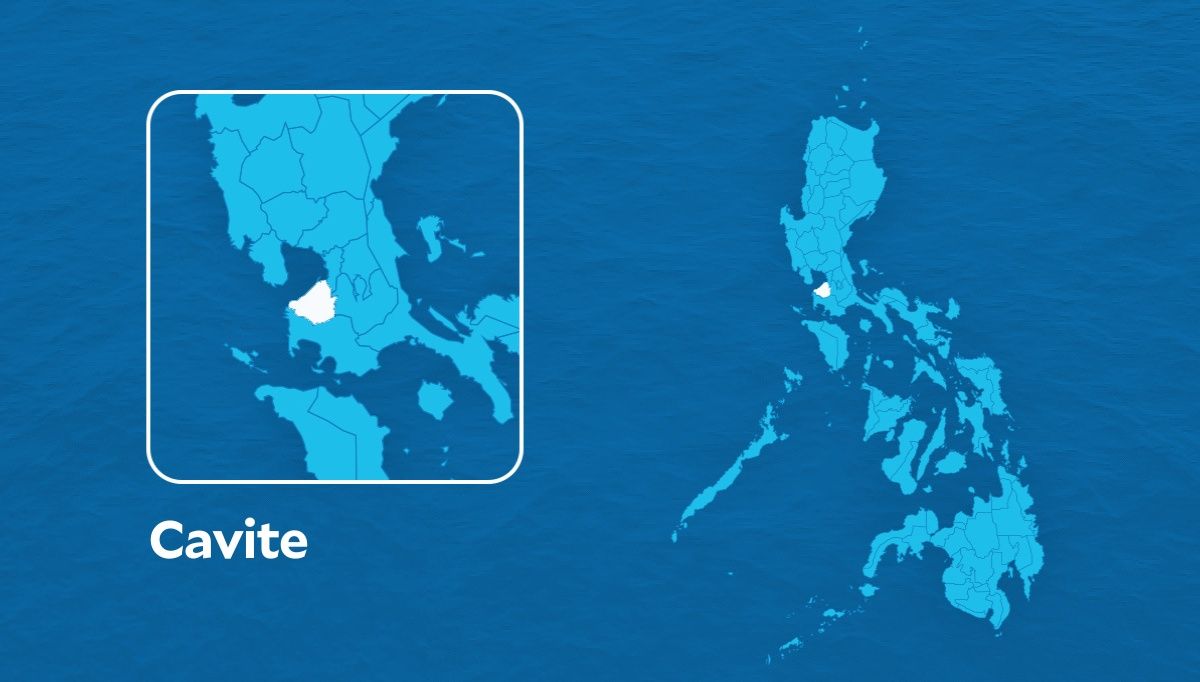
A potential tragedy was averted in the Philippines when authorities moved decisively to halt a planned school shooting at a high school in General Mariano Alvarez, Cavite province. The intervention by alert school officials and Cavite Police Provincial Office officers occurred in late June, preventing what could have resulted in significant loss of life. The case underscores the critical role that vigilance and rapid reporting play in protecting educational institutions across Southeast Asia, a region where school security has become an increasingly pressing concern.
The incident began when a teacher at General Mariano Alvarez Technical High School (GMATHS) discovered troubling online messages from a Grade 10 student outlining plans to conduct a shooting at the campus on July 2. Rather than dismissing these communications as juvenile posturing, the educator promptly escalated the matter to school administrators, demonstrating the kind of institutional responsibility that can serve as a first line of defence against violence. The school's decision to treat the threat with utmost seriousness and immediately notify law enforcement proved decisive in preventing harm.
Police responded with impressive speed and coordination, working alongside school leadership and community officials to verify the credibility of the threat. During their investigation, officers located and recovered an improvised, unregistered firearm linked to the student suspect. The recovery of an actual weapon transformed what might have been dismissed as mere online rhetoric into a confirmed and imminent danger, validating the school's decision to involve authorities immediately rather than attempt to handle the matter internally.
The suspect, a minor whose identity has been protected under Philippine law, was handed over to the Municipal Social Welfare and Development Office for intervention in accordance with the Juvenile Justice and Welfare Act. This legal framework, which prioritizes rehabilitation and counselling over punitive measures for young offenders, reflects the Philippines' commitment to addressing youth involved in criminal activity through a welfare-oriented rather than purely criminal approach. The transfer to social services rather than immediate prosecution allows for investigation into the circumstances that led the student to consider such drastic action.
The case remains under active investigation as authorities prepare formal charges against the student. Police have indicated that these charges will be filed in accordance with existing Philippine laws covering weapons possession and threats of violence. The investigation phase will likely examine whether the student acted alone or received encouragement or assistance from others, and whether the online messages represented a genuine operational plan or expressions of distress masked as violent ideation.
The incident reflects broader challenges facing schools throughout Southeast Asia as digital communication and social media create new avenues through which threats can be communicated and, importantly, detected. Teachers and administrators increasingly must navigate the difficult terrain of distinguishing between adolescent hyperbole, online roleplay, genuine warning signs of mental health crises, and actual intent to cause harm. The GMATHS case demonstrates that when educators err on the side of caution and report ambiguous threats to authorities, lives can be saved without penalizing students who may be experiencing emotional turmoil rather than planning violence.
The Cavite Police Provincial Office used the successful intervention to highlight the necessity of cooperation among schools, families, law enforcement, and communities in preventing violence. Police officials emphasized that schools cannot address security threats in isolation and that robust communication between educational institutions and police departments creates essential safeguards. The commendation extended to GMATHS administrators sends a clear message that reporting suspicious behaviour is not only permitted but actively encouraged and valued by law enforcement agencies.
Authorities also issued directives to the public regarding the handling of sensitive information in such cases. Police urged citizens to refrain from spreading unverified details or disclosing the identities of minors involved in criminal investigations, as such disclosure violates Philippine law and can complicate ongoing operations. The emphasis on protecting juvenile privacy reflects recognition that stigmatization of young people involved in such incidents can undermine rehabilitation efforts and cause lasting psychological harm.
The case carries particular significance for Malaysia and other Southeast Asian nations grappling with school safety challenges. As educational systems across the region increasingly integrate digital technologies and students' lives expand into online spaces, the potential for threats to materialize through social media and messaging platforms grows substantially. The GMATHS intervention provides a practical demonstration of effective response protocols: maintaining open communication channels between students and educators, empowering teachers to report concerns without bureaucratic obstacles, and ensuring rapid police mobilization when credible threats emerge.
The Cavite Police Provincial Office reiterated its institutional commitment to safeguarding students, schools, and communities through what it characterized as swift action, proactive policing strategies, and rigorous law enforcement. This commitment takes on heightened importance given recent incidents of violence in educational settings across the Asia-Pacific region. Whether this foiled plot represents an isolated incident or part of a worrying trend cannot be determined from available information, but the successful prevention demonstrates that systematic vigilance and inter-agency coordination can effectively neutralize threats before they materialize.
For educators across Malaysia and the region, the incident serves as both cautionary tale and instructive example. The existence of concerning online messages indicated that the student was experiencing significant psychological distress or crisis that manifested as violent fantasies. Schools that establish clear reporting mechanisms and maintain strong relationships with local police create conditions where troubled students can be identified and directed toward appropriate mental health interventions rather than allowed to progress toward actual violence. The recovery of the improvised firearm confirms that the threat was not merely rhetorical, validating the decision to treat online messages as actionable intelligence requiring immediate police response.

