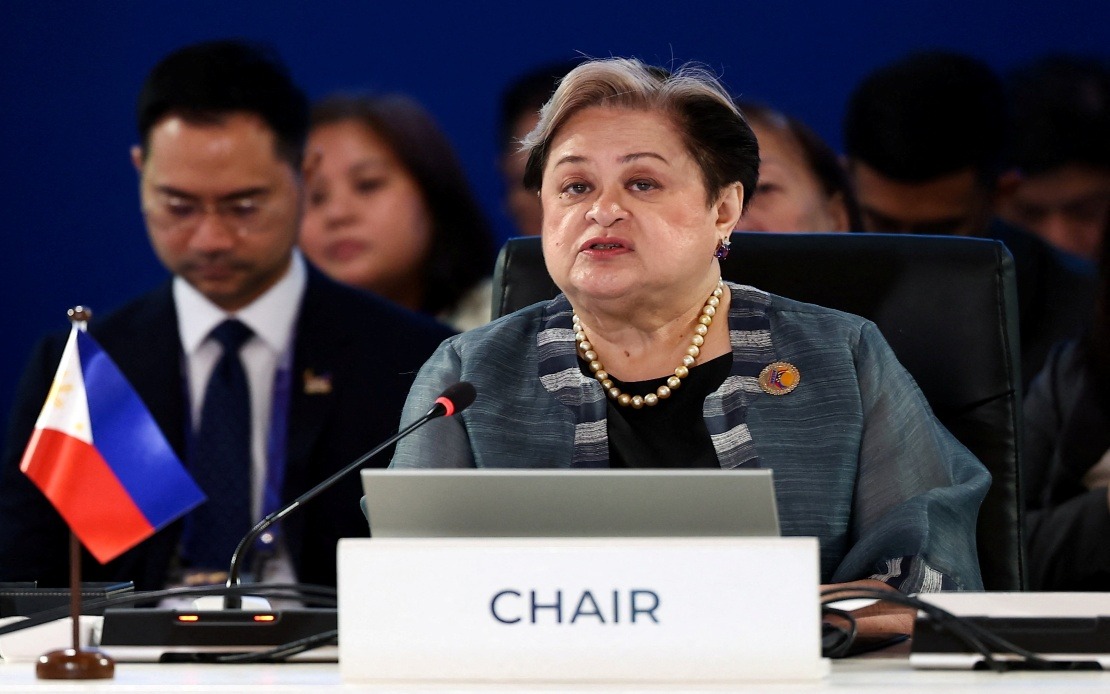
Philippine Foreign Affairs Secretary Ma. Theresa Lazaro is preparing to head a significant humanitarian mission into Myanmar by the fourth quarter of 2026, marking a fresh diplomatic initiative from ASEAN to address the country's ongoing humanitarian crisis. In her role as the special envoy to the Association of Southeast Asian Nations chair, Lazaro has obtained backing from all major stakeholders for the operation, which aims to expand aid access to some of Myanmar's most vulnerable populations caught in zones of active conflict.
The announcement emerged after a series of intensive diplomatic engagements in Thailand during mid-July, where Lazaro held consecutive meetings with her regional counterparts and representatives from Myanmar's government and opposition groups. These talks underscored ASEAN's determination to maintain dialogue with all parties in the Myanmar crisis despite the severe breakdown in the country's political stability since the 2021 military coup. The timing reflects growing international concern about the deteriorating humanitarian situation in Myanmar, where years of civil conflict have displaced millions and cut off aid to remote communities.
Lazaro's commitment to lead the mission represents a tangible shift toward hands-on regional engagement, moving beyond the symbolic statements that have sometimes characterised ASEAN's response to the Myanmar crisis. The Department of Foreign Affairs stated that the operation is specifically designed to enhance delivery of assistance to areas currently difficult for humanitarian organisations to reach. Though full operational details remain undisclosed, the mission signals ASEAN's intent to translate diplomatic pressure into concrete humanitarian action, a distinction that carries weight in a region often criticised for inadequate responses to member-state crises.
A pivotal moment came when Lazaro met with Myanmar Foreign Minister U Tin Maung Swe, where discussions centred on implementing ASEAN's Five-Point Consensus, the regional bloc's framework for addressing the Myanmar emergency. The Five-Point Consensus, adopted in 2021, has become increasingly strained as Myanmar's political situation has deteriorated, with limited progress on key benchmarks. Lazaro's engagement with the foreign minister nonetheless reaffirmed ASEAN's commitment to working with Myanmar's government to advance normalisation and compliance with the consensus framework, despite scepticism from some quarters about the regime's genuine commitment to peace.
The informal gathering of ASEAN foreign ministers with U Tin Maung Swe represented a historic reconnection between the regional bloc and Myanmar's military-backed administration. This marked the first in-person meeting between ASEAN foreign ministers and their Myanmar counterpart since 2021, a gap that underscores the diplomatic freeze that has plagued ASEAN-Myanmar relations throughout the crisis. During this session, the Myanmar foreign minister outlined his government's progress on the Five-Point Consensus action points and detailed a 100-day peace initiative alongside anti-transnational crime operations, though international observers remain unconvinced about the pace and sincerity of such efforts.
ASEAN ministers collectively reinforced that the Five-Point Consensus remains indispensable for resolving Myanmar's political turmoil, with Lazaro emphasising that Myanmar occupies an irreplaceable position within the ASEAN family. This rhetorical commitment matters in regional diplomacy, as it signals that ASEAN will not abandon Myanmar despite domestic and international pressure to take more confrontational stances. For Malaysia and other Southeast Asian nations, this approach reflects a philosophy of constructive engagement that, while controversial, maintains the possibility of future influence over Myanmar's trajectory.
On the ground, Lazaro engaged separately with representatives from Myanmar's ethnic armed organisations and the National Solidarity and Peacemaking Negotiation Committee, exploring pathways toward broader inclusive dialogue. These conversations explored mechanisms for building consensus among competing factions, a monumental challenge given the fragmentation of Myanmar's opposition and the complexity of historical grievances between ethnic groups and the military establishment. The DFA reported that participants on both sides expressed openness to dialogue, though the devil remains in the implementation details, particularly regarding security guarantees and power-sharing arrangements that remain contentious.
For Malaysian policymakers and observers, the humanitarian mission represents an opportunity to strengthen ASEAN's credibility as a problem-solving institution during a moment of significant institutional strain. Myanmar's crisis has tested ASEAN's foundational principles, particularly non-interference and consensus-building, creating tensions between member states that favour stronger pressure and those advocating patience. A successful humanitarian operation could demonstrate that ASEAN's incremental approach, however contested, can deliver tangible benefits to affected populations while maintaining diplomatic channels open for future negotiation.
The proposed mission also reflects broader Southeast Asian concerns about Myanmar becoming a ungoverned space where transnational criminal networks, refugee flows, and armed insurgencies could destabilise the wider region. Regional capitals understand that humanitarian access and civilian protection serve both moral imperatives and strategic interests, as civilian welfare directly impacts regional stability. For Malaysia, positioned as a major recipient of Myanmar migrants and refugees, such initiatives align with domestic security and migration management priorities.
Implementing the humanitarian mission will require navigating significant practical and political obstacles. Conflict dynamics in Myanmar shift rapidly, with multiple armed factions controlling different territories and access routes frequently compromised by violence. Lazaro's team will need to coordinate with international organisations, including the United Nations and the International Committee of the Red Cross, while negotiating security protocols with diverse armed groups. Success depends on maintaining delicate balances between government cooperation and rebel group consent, a negotiating challenge of considerable magnitude.
The initiative also carries implications for ASEAN's broader standing in international diplomacy. Western governments and human rights advocates have criticised ASEAN's measured response to Myanmar, arguing for harsher sanctions and isolation. This humanitarian mission offers ASEAN a platform to demonstrate that its approach can drive meaningful outcomes, potentially justifying its non-confrontational strategy. However, sceptics will closely monitor whether the mission translates into sustained improvement in access or remains a symbolic gesture that fails to address root causes of Myanmar's suffering.
As 2026 approaches, the success of Lazaro's mission will likely shape ASEAN's credibility and influence over Myanmar's future trajectory. Whether this initiative can catalyse broader political breakthroughs or merely provide incremental humanitarian relief remains uncertain, but the commitment signals that ASEAN leadership continues viewing engagement rather than isolation as the pathway to eventual stability in one of Southeast Asia's most troubled nations.

