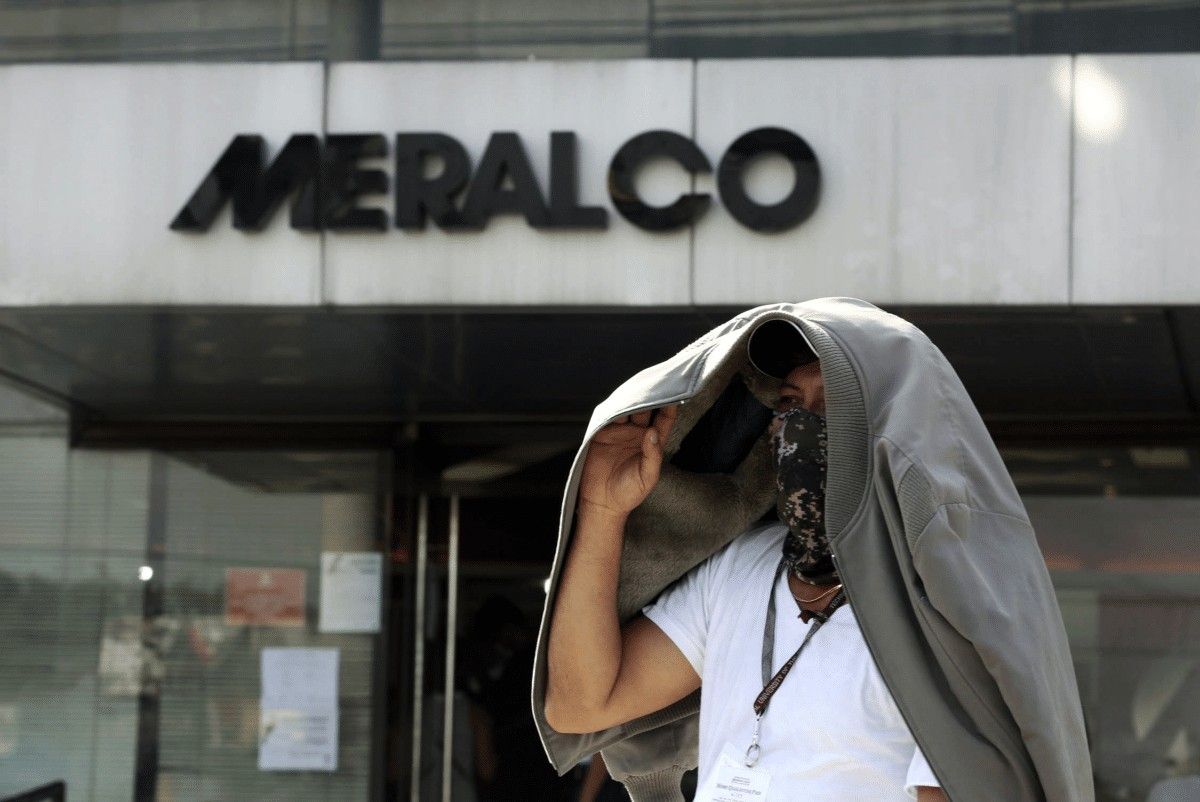
Manila Electric Co. (Meralco), the Philippines' dominant power distributor, faces a significant financial obligation after the country's Energy Regulatory Commission mandated a ₱9.5 billion refund to its consumer base. The decision, handed down on July 31, represents a correction mechanism triggered by regulatory oversight and signals renewed attempts by authorities to protect household electricity spending from climbing tariffs. The refund amounts to ₱0.3449 per kilowatt-hour (kWh) and will be distributed across affected customer bills over the next six months as an itemised charge.
According to ERC chair and chief executive officer Francis Saturnino Juan, the refund process will commence in the next available billing cycle once the company receives formal notification of the ruling. This timeline ensures relatively rapid implementation without requiring additional legislative action or lengthy appeals processes. For millions of Filipino households already grappling with elevated electricity costs, the decision offers tangible relief, though the per-unit refund suggests the overcharge accumulated across a broad consumer base rather than concentrated among specific customer groups.
The underlying issue stems from what regulators term a "lapsed period"—a regulatory gap that emerges when utility companies operate under outdated rate schedules while awaiting formal tariff adjustments. During 2025, Meralco operated throughout the entire calendar year under rates established in previous regulatory cycles. Because the company's actual operating costs, capital investments, and service expansion plans had evolved since the last rate review, the existing tariffs no longer aligned with the true economic burden of delivering electricity across Metro Manila and surrounding regions.
This regulatory mechanism reflects a fundamental tension within utility pricing frameworks across Southeast Asia. Utilities require cost-of-service adjustments to fund infrastructure maintenance, generation capacity expansion, and grid modernisation. However, allowing companies to unilaterally determine their own rates invites overcharging and windfall profits at consumer expense. Rate-reset processes, typically covering five-year cycles unless extended by regulators, attempt to balance these competing interests by requiring utilities to submit detailed justifications for spending and planned projects before authorities approve corresponding tariff levels.
The ERC's decision reveals that during the 2025 lapsed period, Meralco collected revenues exceeding what it would have received under a properly calibrated rate structure. This "over-recovery" represents essentially a transfer of wealth from residential and commercial customers to the utility's shareholders and operations. The regulatory commission determined that a refund was warranted and elected to include interest costs in the total repayment amount, reflecting the implicit cost of the overcharge over time. This calculation methodology demonstrates regulatory sophistication in ensuring that customers receive full compensation rather than merely recovering the principal overcharge.
For Malaysian observers, this Philippine case offers instructive parallels and contrasts with domestic utility regulation. Malaysia's electricity sector operates under a different structural framework, with separate generation, transmission, and distribution entities managed through a combination of state ownership and private concessions. Nevertheless, the fundamental question of how to prevent utility companies from exploiting regulatory gaps to impose excessive rates remains universally relevant. The Philippines' approach—requiring detailed regulatory oversight of rate resets coupled with retroactive refund mechanisms—represents one possible model, though it carries administrative costs and potential delays that may discourage necessary infrastructure investment.
Meralco's position as the Philippines' largest power distributor amplifies the significance of this ruling. The company serves millions of customers across the densely populated National Capital Region and surrounding provinces, making its tariff structures consequential for overall inflation, business competitiveness, and household budgeting throughout the country's economic heartland. Any major correction to Meralco's revenue stream inevitably reverberates through broader economic planning by government agencies, corporate cost projections, and consumer sentiment regarding utility affordability.
The practical implementation of the refund presents operational considerations that extend beyond simple accounting. Meralco must integrate the ₱0.3449 per kWh credit into billing systems across its customer base, communicate the change clearly to prevent confusion or payment disputes, and manage potential inquiries from commercial and residential customers seeking clarification. The six-month implementation window provides reasonable time for system adjustments, yet also creates a period of partial refund distributions that may complicate consumer reconciliation of their annual electricity spending.
Broader regulatory trends in the region suggest growing scrutiny of utility rate-setting processes. Governments increasingly face pressure from consumer advocacy groups and political opposition when electricity tariffs climb significantly, yet simultaneously must ensure that utilities retain sufficient revenue to maintain service quality and fund necessary grid investments. The Philippine ERC's decision to include interest in the refund calculation reflects recognition that delayed justice—even when eventually delivered—carries its own economic cost to affected consumers.
The timing of this decision carries implications for broader energy sector confidence in the Philippines. Investors and international development partners evaluating the viability of utility sector participation may view the refund as evidence of effective regulatory oversight that protects consumers, thereby reducing political risk associated with rate disputes. Alternatively, some market participants might perceive it as regulatory unpredictability that complicates long-term financial planning for infrastructure operators. The balance between these perspectives will influence the Philippines' capacity to attract private capital for renewable energy expansion and grid modernisation—areas where both the Southeast Asian region and global climate commitments require substantial additional investment.
Moving forward, Meralco and the ERC will operate under heightened awareness that regulatory gaps create conditions for over-recovery and subsequent mandatory refunds. This dynamic may encourage both parties to pursue more frequent rate adjustment cycles, potentially reducing the accumulated discrepancy between tariffs and actual costs during any single lapsed period. Such procedural refinements could generate more stable and predictable outcomes for both utility planning and consumer budgeting, though they might also increase administrative complexity and frequency of rate review proceedings across the utility sector.

