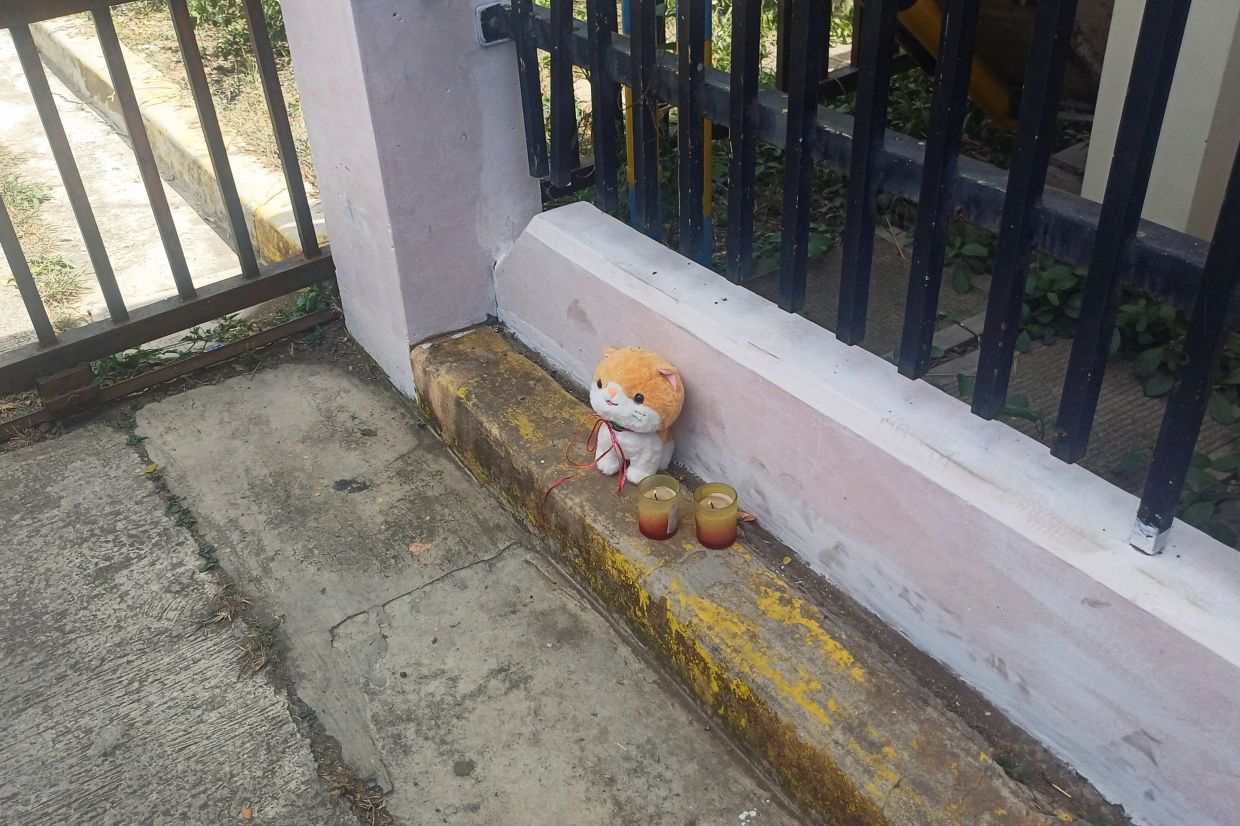
An attack at a school in Zamboanga City that killed two students, including the teenage gunman himself, has exposed deep vulnerabilities in the Philippines' approach to preventing youth violence and has catalysed fresh scrutiny of both digital platforms and firearms access. The incident on August 18 represents only the second such assault in less than two months, suggesting a troubling pattern that authorities acknowledge they are ill-equipped to predict or prevent. Beyond the immediate tragedy, the case has exposed a sobering paradox: the shooter was academically accomplished and showed no obvious behavioural red flags to teachers or school administrators, even as he was planning and then carrying out a fatal attack that he chose to broadcast live to an online audience.
Education Secretary Sonny Angara's account of the shooter's background underscores how traditional risk-assessment frameworks may be failing to capture warning signs among students. When Angara visited Ateneo de Zamboanga University and spoke with educators, teachers consistently described the Grade 8 student as well-behaved and academically capable—characteristics that typically shield a young person from suspicion or intervention. This disconnect between surface-level indicators of stability and underlying psychological distress reveals a critical gap in how Philippine schools approach student welfare. Angara acknowledged that conventional security infrastructure, including fencing, surveillance systems and metal detectors, cannot address the root causes of such violence. He emphasised instead the importance of active engagement with students and early intervention based on subtle behavioural shifts that only close community relationships can detect.
The method of attack itself—livestreaming the violence using a body-worn camera—has shifted the focus of the national conversation toward social media's role in normalising and amplifying violence. Senate President Sherwin Gatchalian has seized on this aspect to push for legislation that would bar children under 16 from accessing social media platforms altogether. His argument rests on the observation that graphic imagery and livestreamed footage spread rapidly through digital channels, potentially desensitising young viewers to violence and creating a distorted perception of real-world consequences. For Southeast Asian policymakers watching from the region, the debate mirrors similar tensions in Malaysia, Indonesia and Thailand, where rapid smartphone penetration and social media adoption among teenagers has outpaced regulatory frameworks.
The shooter obtained the firearm he used—a .40-calibre pistol—from his father's collection, including a weapon that had been issued by the Bureau of Customs. This detail has prompted Interior Secretary Jonvic Remulla to call for strengthened penalties against gun owners whose weapons are accessed by minors and a comprehensive review of the nation's existing firearms legislation. The ease with which a teenager could access a loaded weapon in his own home highlights inadequate safeguarding practices that extend beyond schools into the domestic sphere. Unlike some developed nations with extensive gun-control frameworks, the Philippines has struggled to enforce consistent standards for secure storage of firearms, particularly among licensed owners and government officials whose weapons may be stored in residential settings.
Police investigations remain ongoing as authorities work to establish the shooter's motive, examine his electronic devices for clues to his state of mind, and reconstruct the sequence of events that led to the attack. The gunman shot first on the fourth floor of the school before moving upstairs to the fifth floor, where he was later found dead from a self-inflicted gunshot wound. This trajectory suggests some element of premeditation rather than a spontaneous act, yet investigators have not yet determined what triggered the violence or what the shooter hoped to accomplish by livestreaming his actions.
For parents in Zamboanga City, the immediate aftermath has been chaotic and distressing, with conflicting reports and graphic imagery flooding messaging applications and social media feeds. A mother with a college-age daughter at another Ateneo de Zamboanga campus described how unverified videos, photographs and competing narratives created an atmosphere of confusion and fear within the parent community. She noted the absence of any classification system for digital content comparable to the ratings used for television and cinema, leaving social media platforms free to disseminate potentially traumatising material without any age-based restrictions or content warnings. Her observation points to a regulatory vacuum that extends across Southeast Asia, where the speed of digital communication far outpaces government capacity to develop protective frameworks.
The debate now unfolding in Philippine legislative circles reflects broader tensions across the region between safeguarding freedom of expression and protecting vulnerable populations from harm. Gatchalian's proposal to restrict social media access for under-16s is ambitious but faces considerable implementation challenges, particularly in a nation where digital access has become integral to education, social connection and economic opportunity. Enforcement would require cooperation from technology companies with limited incentive to comply with age-verification requirements, as well as sustained political will to navigate the inevitable claims of overreach from civil liberties advocates.
For Malaysia and other Southeast Asian nations, the Philippine case study offers cautionary lessons about the inadequacy of current regulatory approaches. The shooting demonstrates that mental health screening, social media literacy and secure firearm storage are interconnected issues that cannot be addressed in isolation. Schools across the region increasingly face similar challenges identifying at-risk youth whose digital activities may reveal psychological distress that remains invisible in physical school environments. The intersection of online behaviour, access to weapons and mental health support represents a policy frontier that most ASEAN nations are only beginning to explore systematically.
The second school shooting in as many months has generated political momentum for legislative action, with lawmakers moving quickly toward proposals that would reshape both digital and physical security landscapes. However, observers caution that hasty legislation risks either ineffectiveness or unintended consequences. Restricting social media access, while superficially appealing, may create false confidence that the problem has been addressed while overlooking deeper issues related to mental health services, counselling resources and the cultural stigma surrounding psychological illness in the Philippines and broader Southeast Asia. Comprehensive prevention requires simultaneous progress across multiple domains: legislative reforms governing firearms and social media, investment in school-based mental health services, training for educators to recognise subtle warning signs, and public messaging that destigmatises help-seeking behaviour among young people experiencing distress.

