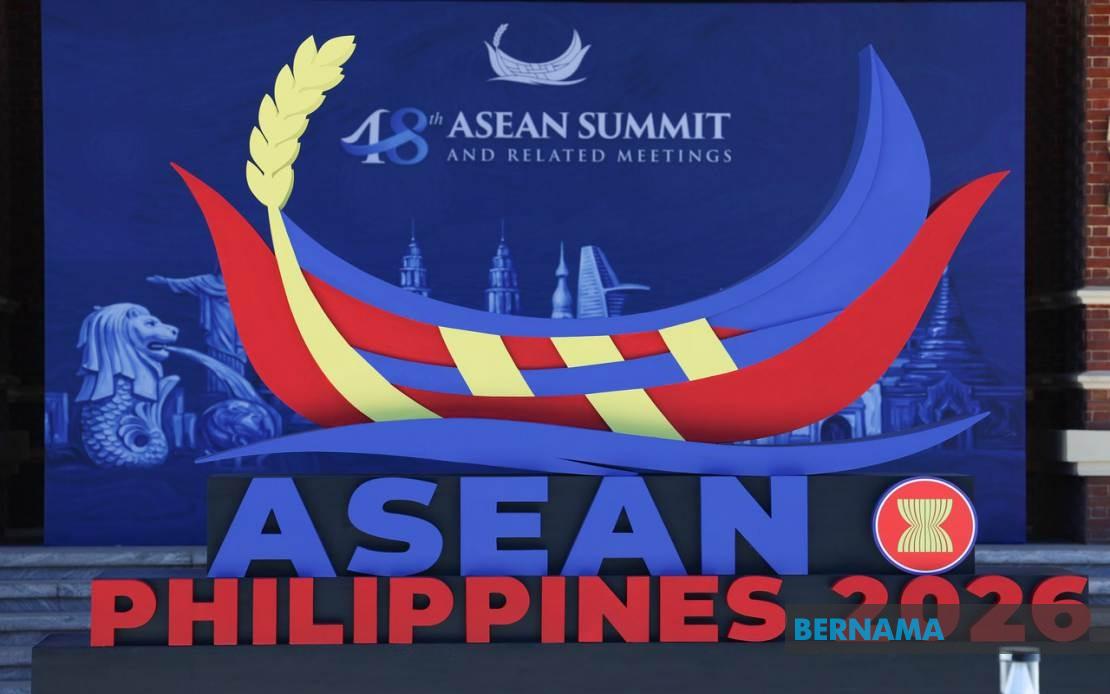
The Philippines is facilitating a significant diplomatic gathering in Bangkok this weekend, bringing together Myanmar's top diplomat and foreign ministers from across Southeast Asia for discussions that carry considerable weight for regional stability. As the current chair of the Association of Southeast Asian Nations, Manila has organised an informal consultation scheduled for Sunday, July 12, featuring Myanmar's Foreign Minister U Tin Maung Swe alongside his ASEAN counterparts. This meeting represents a watershed moment in regional diplomacy, constituting the first face-to-face encounter between ASEAN's foreign ministers and Myanmar's leadership since the nation's military takeover in February 2021.
Myanmar's continued membership within ASEAN has remained contentious since the coup, with various member states taking divergent positions on how firmly to pressure the junta. The Philippines' decision to convene this informal session underscores the bloc's commitment to maintaining dialogue rather than isolation, even as the military regime has faced intense international criticism over security operations and restrictions on freedoms. By framing the engagement as an informal consultation rather than a formal summit, ASEAN has created space for candid conversation without the rigid protocol that sometimes constrains official negotiations.
The upcoming discussion will centre on Myanmar's response to the Five-Point Consensus, a framework that ASEAN leaders adopted in 2021 to guide their approach toward the crisis. This agreement calls for an immediate cessation of violence, mediation and dialogue among conflicting parties, humanitarian access to affected populations, and constructive engagement through ASEAN envoys. For observers tracking regional developments, the Five-Point Consensus represents the bloc's attempt to balance diplomatic pragmatism with principled positions on conflict resolution and human rights.
U Tin Maung Swe's presentation to the assembled foreign ministers will serve as a critical barometer of Myanmar's willingness to engage constructively with regional partners. The junta has previously dismissed international pressure as interference in sovereign affairs, yet its decision to send the foreign minister signals some openness to dialogue. Malaysian policymakers and regional analysts will pay close attention to whether Myanmar demonstrates flexibility on implementing ceasefire mechanisms and facilitating humanitarian corridors, or whether the regime maintains its defensive posture.
The broader context for this meeting extends beyond bilateral Myanmar-ASEAN relations. Southeast Asia's stability and prosperity depend significantly on preventing internal conflicts from destabilising the wider region. Myanmar's civil conflict has already generated refugee flows, disrupted trade corridors, and complicated regional security arrangements. For countries like Malaysia, which hosts substantial Myanmar migrant populations and maintains significant economic ties, the trajectory of Myanmar's political crisis directly impacts domestic and foreign policy priorities.
ASEAN's approach to Myanmar has drawn criticism from both directions. Some member states, particularly those with stronger democratic governance, have advocated for firmer measures against the junta, while others have resisted what they perceive as external pressure on internal affairs. This tension reflects deeper divisions within the bloc regarding how to balance non-interference principles with responsibility for collective stability. The Philippines' stewardship of the chair in 2023 includes navigating these competing pressures, with the informal Bangkok meeting representing an attempt to sustain engagement while respecting the Five-Point Consensus framework.
The timing of this consultation also matters. The 48th ASEAN Summit in Cebu recently directed foreign ministers to maintain constructive and principled engagement with Myanmar, essentially endorsing a policy of sustained dialogue paired with clear expectations regarding violence cessation and humanitarian access. This mandate provides the foreign ministers with explicit authority to press Myanmar on concrete benchmarks while maintaining the channels of communication that diplomacy requires.
For Malaysian readers and policymakers, the implications warrant careful consideration. Malaysia's experience hosting refugee populations and its economic interests in Myanmar stability suggest the need for constructive but realistic engagement. The outcomes of Bangkok discussions may influence how ASEAN collectively addresses Myanmar-related humanitarian concerns, including potential expansion of development assistance, medical support, and education programmes for displaced populations.
The Five-Point Consensus framework itself requires reassessment in light of ground realities. Violence has continued in Myanmar despite the agreement, ceasefire negotiations have stalled, and humanitarian access remains severely restricted. Yet abandoning dialogue would likely prove counterproductive, leaving the junta further isolated and potentially more intransigent. The Philippines' informal meeting approach acknowledges this dilemma by creating conditions for frank discussion without escalating tensions through formal condemnation.
Regional observers will scrutinise whether this Bangkok engagement produces concrete outcomes or remains largely symbolic. Possible achievements might include commitments to expanded humanitarian corridors, agreement on confidence-building measures, or renewed pledges to mediate among Myanmar's warring factions. Alternatively, the meeting may demonstrate the limits of ASEAN's ability to influence junta behaviour, reinforcing questions about the bloc's effectiveness in managing internal crises.
As Malaysia contemplates its own diplomatic priorities in the region, the success or failure of the Philippines' Myanmar engagement strategy carries broader lessons. Effective regional diplomacy requires balancing principle with pragmatism, maintaining dialogue while establishing clear expectations, and recognising that some conflicts resist rapid resolution. The July 12 meeting in Bangkok will offer the first direct test of whether ASEAN can translate its Five-Point Consensus into tangible progress on Myanmar's trajectory toward inclusive governance and peace.

