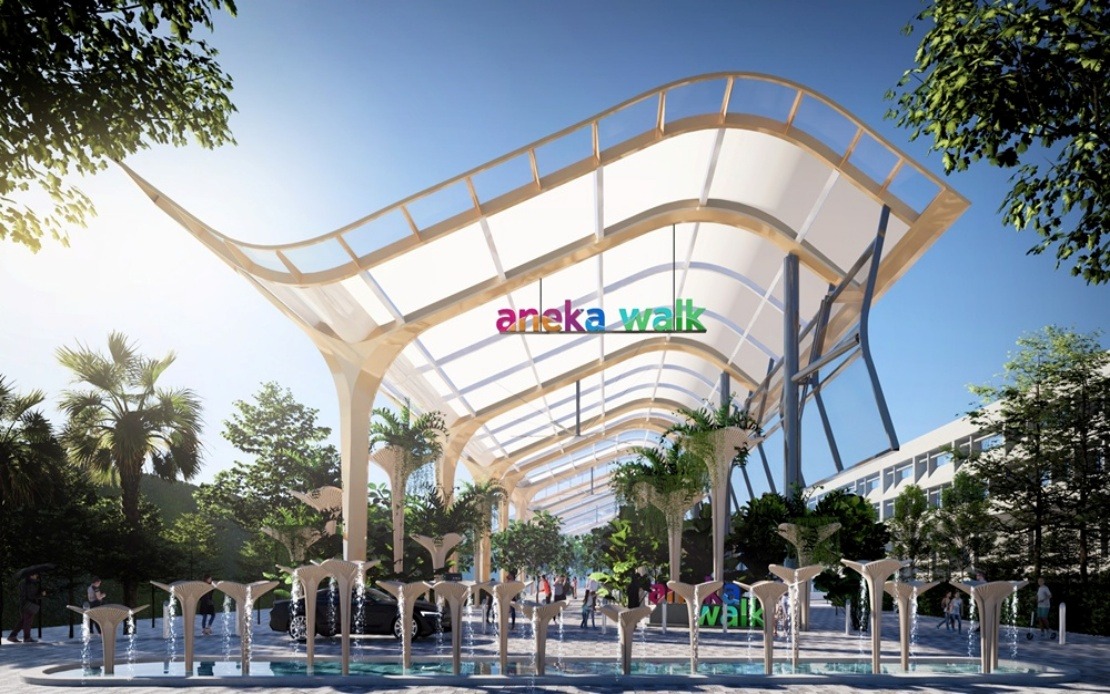
The Selangor State Development Corporation (PKNS) is preparing to bring the FIFA World Cup 2026 final to Malaysian audiences through a major public screening event at Aneka Walk in Shah Alam. Running across July 19 and 20, the PKNS Homes Final World Cup 2026 Mega Live represents an ambitious effort to transform the commercial space into a vibrant football celebration that extends well beyond traditional match viewing.
The screening spans a full 12 hours, commencing at 5 pm on July 19 and extending through to 5 am the following morning, positioning this as an overnight spectacle rather than a conventional evening gathering. The timing accommodates the global broadcast schedule for a World Cup final, which typically occurs in early morning hours for Malaysian viewers. PKNS anticipates approximately 1,000 visitors will attend, creating a substantial crowd for what the corporation describes as the world's premier football competition.
What distinguishes this initiative from standard match screenings is its deliberate integration of multiple entertainment and lifestyle components. The event framework, developed in partnership with Selangor FC, weaves together competitive gaming through e-sports competitions, direct fan engagement via meet-and-greet sessions with Selangor FC players, interactive gaming experiences, prize giveaways through lucky draws, and dining options via food stalls. These supplementary attractions begin immediately when gates open at 5 pm, ensuring attendees have an extended programme even before the actual match kicks off at 3 am on July 20.
For businesses and organisations, PKNS has designed the event as a commercial opportunity, explicitly positioning exhibition booths and promotional spaces as mechanisms for companies to strengthen brand visibility through direct community engagement. This dual approach—creating entertainment value for consumers while generating sponsorship and partnership revenue—reflects contemporary strategies for animating public retail spaces. The corporation recognises that major sporting events function as gathering points that can drive foot traffic and elevate a location's profile as a destination.
The initiative directly supports PKNS's broader urban revitalisation strategy centred on the SA Sentral development project. Aneka Walk, a commercial hub within Shah Alam, has been identified as requiring activation and renewed positioning within the local community. By hosting a high-profile international sporting event, PKNS aims to demonstrate the venue's capacity to accommodate large-scale public gatherings and position it as more than a conventional shopping destination. The event is explicitly framed as contributing to economic stimulus within the immediate area, with the assumption that visitors attending the screening will generate broader spending across the facility.
The choice to screen the World Cup final aligns with football's enduring appeal across Malaysia and Southeast Asia. Despite professional football's occasional struggles with governance and infrastructure issues in the region, major international tournaments maintain substantial viewership and generate genuine public enthusiasm. A 12-hour festival atmosphere centred on this match recognises that football continues to function as a unifying cultural force capable of drawing diverse demographic groups into public spaces.
For Shah Alam residents, the event provides accessible exposure to what PKNS characterises as the world's most prestigious football match. While Malaysia has never qualified for the World Cup final tournament, the competition maintains significant cultural relevance through global media coverage and the sport's deeply embedded position in Malaysian popular culture. Hosting a dedicated screening venue transforms what might otherwise be a solitary or small-group viewing experience into a communal celebration.
The partnership between PKNS and Selangor FC represents institutional collaboration that extends beyond simple logistics. Selangor FC, the state's professional football club, brings credibility and direct connection to local football constituencies, while PKNS provides venue infrastructure and organisational capacity. This alignment suggests awareness that football fandom within Malaysia possesses distinct local dimensions that can be strategically leveraged to support broader urban development objectives.
The event's positioning as a family-friendly gathering reflects contemporary Malaysian approaches to entertainment and public space activation. By explicitly inviting visitors to attend with families and friends, organisers attempt to broaden appeal beyond traditional football enthusiast demographics, framing the gathering as lifestyle entertainment rather than solely sports spectatorship. The combination of gaming, dining, and interactive activities supports this positioning.
Practically, the extended hours and overnight duration create logistical considerations around transport, security, and facility management that the corporation must address. The 5 am conclusion means attendees will require transportation home in early morning hours, potentially influencing attendance patterns. However, this timing precisely aligns with when the World Cup final would broadcast in Malaysia, suggesting PKNS has specifically structured the event architecture around Malaysian viewer convenience.
The initiative also reflects broader Southeast Asian trends toward experiential retail and destination activation. Across the region, shopping malls and commercial spaces increasingly function as entertainment and cultural venues rather than pure retail environments. This World Cup screening represents PKNS's contribution to that evolving landscape, testing whether major sporting events can successfully anchor public gathering strategies within Malaysian suburban contexts. Success could inform future programming decisions across the SA Sentral development and broader PKNS portfolio operations.

