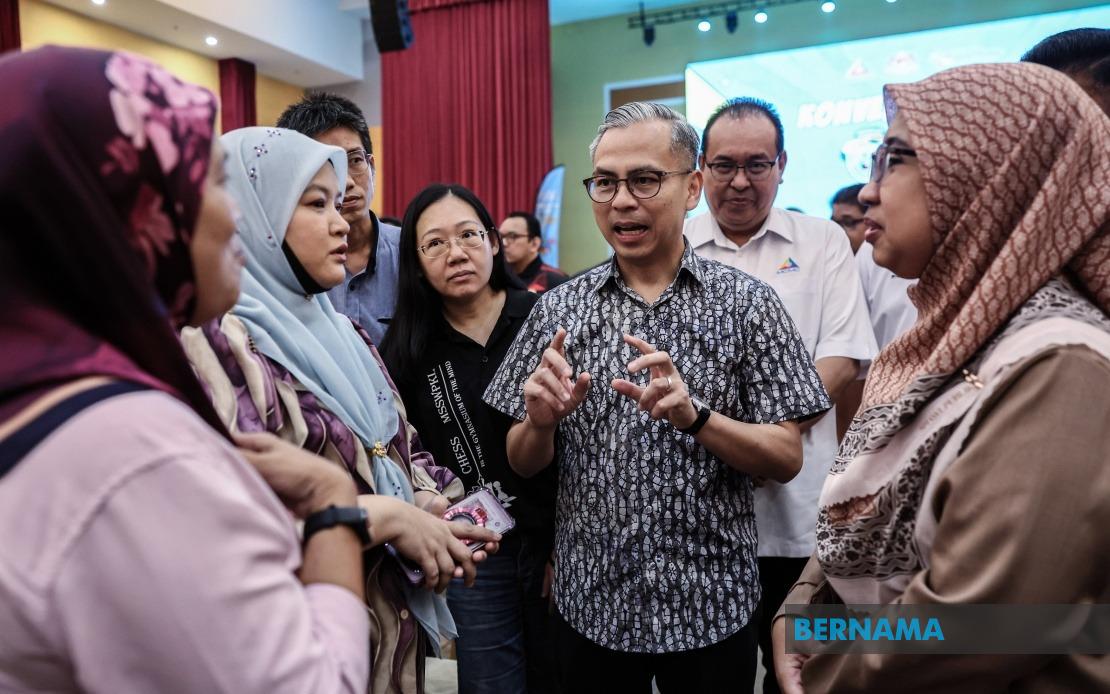
PKR has moved swiftly to reassure members and allies that the temporary leave granted to deputy president Nurul Izzah Anwar will not hamper the party's operational effectiveness or internal structures. The decision, communicated by PKR Information Chief Datuk Seri Fahmi Fadzil, underscores the coalition's confidence in its institutional resilience during a period of internal transitions among senior leadership figures.
Nurul Izzah, daughter of Prime Minister Anwar Ibrahim, had requested leave to pursue personal commitments and focus on doctoral studies abroad. Rather than accepting her resignation, the PKR Central Leadership Council chose to grant the temporary absence, a move that reflects the party's desire to retain her within its ranks while accommodating her academic ambitions. The decision signals an attempt to balance personal development with party loyalty—a nuanced approach that acknowledges both individual aspirations and collective organisational needs.
Responsibilities traditionally held by the deputy president have been redistributed to Vice-President Datuk Seri Saifuddin Nasution Ismail, who now carries the additional workload on an interim basis. This succession arrangement aims to maintain continuity in decision-making processes and ensure that party functions—from grassroots coordination to strategic planning—proceed without significant delays. The delegation of duties to a figure of Saifuddin's standing within PKR's hierarchy suggests the party has confidence in a seamless transition, at least in the medium term.
Fahmi's public statements emphasised that Nurul Izzah maintains her status as a full party member and will continue contributing to PKR's broader agenda despite her absence from formal leadership positions. This framing is important for party morale and external perception, as it prevents the leave from being interpreted as disengagement or loss of faith in the organisation's direction. For members and supporters, knowing that high-profile figures remain committed to the party's cause—even while temporarily stepping back from executive duties—helps sustain confidence during periods of leadership flux.
The timing of this announcement arrives amid broader speculation about potential parliamentary developments, particularly regarding Subang MP Wong Chen. When pressed on whether he might vacate his seat, Fahmi demurred, noting that no formal notification had been received and that any such announcement would properly come from Dewan Rakyat Speaker Tan Sri Johari Abdul. This cautious approach prevents premature confirmation of unverified speculation, maintaining institutional protocol and avoiding unnecessary distraction from the government's current agenda.
On the broader political calendar, the government has sought to manage expectations regarding the timing of the next general election. Fahmi reiterated that no plans exist for an early election, with the administration operating on the assumption that polls will be held by the end of 2026 at the latest. This messaging appears designed to signal stability and predictability to investors and stakeholders who benefit from extended planning horizons, while also implicitly backing the Prime Minister's commitment to completing his current term without unnecessary electoral disruption.
The Federal Government's stated priority remains ensuring competent administration and demonstrating tangible results from its reform agenda. The acknowledgment of component parties' continued support for Anwar's leadership reflects the delicate balance required within the Unity Government coalition—where multiple parties with distinct bases and ideologies must coordinate for mutual benefit. Maintaining this equilibrium requires constant attention to coalition management and reassurance to partners that their contributions are valued.
Within the broader Pakatan Harapan and Unity Government frameworks, efforts continue toward implementing reform measures that successive administrations have promised but struggled to deliver. The commitment to pursue systemic improvements and address longstanding governance challenges remains central to the coalition's public positioning, even as individual members navigate personal career transitions and academic pursuits.
A particularly significant ongoing matter centres on implementing recommendations from the Royal Commission of Inquiry into Lembaga Tabung Haji, covering the 2014-2020 period. This RCI touched on issues affecting millions of Malaysian pilgrims and revealed governance lapses that demanded accountability and corrective action. The continued focus on these recommendations demonstrates that the government recognises the political and social importance of following through on institutional reform, particularly in bodies managing resources belonging to Malaysian Muslims.
Fahmi's hint that the Prime Minister would soon make several announcements described as beneficial to both citizens and the nation suggests the government is preparing policy initiatives or structural changes intended to advance its reform agenda or address pressing public concerns. Such announcements often carry significance for business, labour relations, or social policies, making the government's apparent readiness to unveil new directions noteworthy for stakeholders tracking policy direction. The framing suggests optimism about these forthcoming moves within government circles.
For Malaysian observers, these developments illustrate the ongoing complexity of managing coalition politics while pursuing substantive reform. The handling of Nurul Izzah's leave demonstrates how contemporary political structures attempt to accommodate personal and professional aspirations within formal hierarchies. Simultaneously, the government's messaging around electoral timing, coalition stability, and reform implementation reflects the calculated balancing act required to maintain public confidence during a period spanning multiple electoral cycles and substantive governance challenges.

