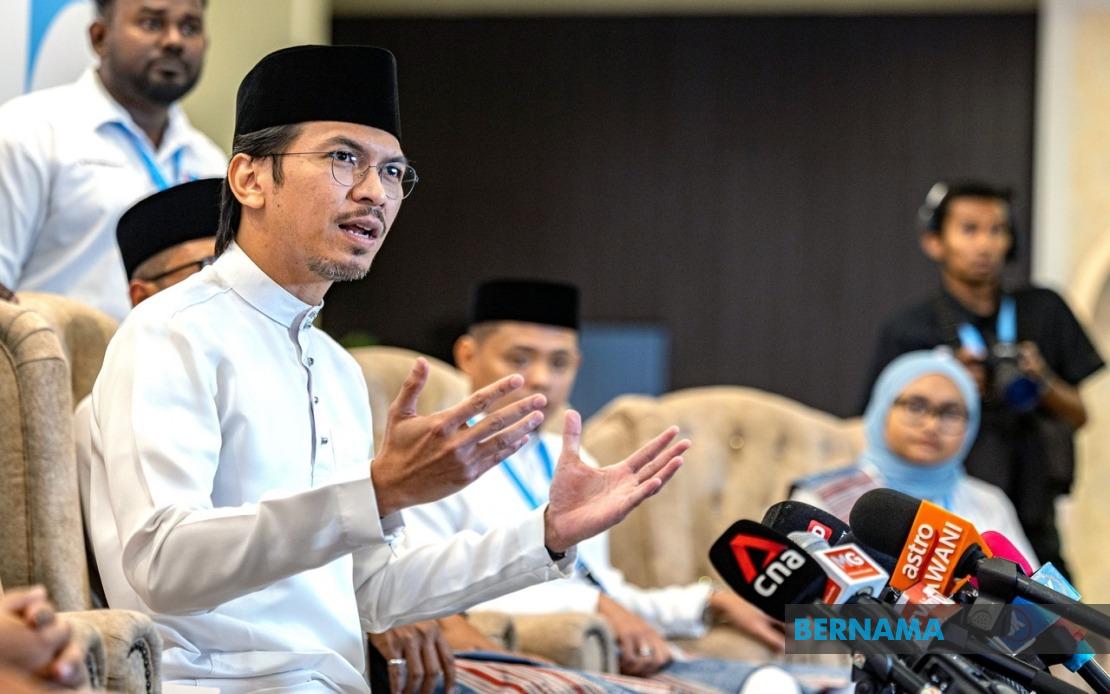
The Parti Keadilan Rakyat has moved to reassure its rank and file that ongoing defections to competing political movements do not pose a material threat to the party's cohesion or operational capacity. Speaking at a press conference in Melaka on August 14, AMK chief Muhammad Kamil Ahmad Munim sought to frame the departures as a natural occurrence within political life rather than evidence of systemic weakness within Malaysia's second-largest opposition coalition partner.
Muhammad Kamil's comments represent a direct response to claims made by newly formed Parti Bersama Malaysia, whose co-founder Datuk Seri Rafizi Ramli indicated that approximately one-quarter of Bersama's initial membership rolls comprised former PKR loyalists. The assertion touched a sensitive nerve within PKR's leadership, given that Bersama emerged as a splinter formation following significant tensions within the coalition and subsequent departures by several high-profile figures. The youth wing chief's characterisation of the defection rate as statistically insignificant appears designed to prevent the narrative from gaining wider traction among grassroots supporters who might otherwise grow anxious about the party's long-term viability.
The statement carries particular weight given that PKR faces dual electoral challenges: state-level ballots and potentially a general election within the next electoral window. From a strategic standpoint, any perception of institutional decay could damage the party's ability to mobilise supporters and attract swing voters in competitive constituencies. Muhammad Kamil's emphasis on delegate turnout at the AMK National Congress functioned as a counterweight to defection narratives, suggesting that engaged party membership remains robust despite surface-level losses. This framing is critical for maintaining morale among lower-level party structures that might otherwise become demoralised by news of departures.
The wider context involves the departure of PKR deputy president Nurul Izzah Anwar, who is currently on an extended leave of absence. While Muhammad Kamil stopped short of elaborating on the specific circumstances or anticipated duration of her absence, he sought to minimise its operational impact by pointing to the delegation of responsibilities to other senior figures. Vice-president Datuk Seri Saifuddin Nasution Abdullah and PKR election director Datuk Seri Amirudin Shari have assumed expanded portfolios to ensure continuity. This distribution of duties, the AMK chief suggested, has been transparently communicated to party machinery at state and branch levels, enabling grassroots leaders to explain the arrangement to members without generating perceptions of instability.
For Malaysian political observers, the departure of mid-ranking and grassroots members to Bersama represents part of a broader realignment within the opposition landscape. The defections reflect genuine disagreements over strategic direction, leadership dynamics, and the viability of the PKR-led Pakatan Harapan coalition. That approximately one in four Bersama recruits hailed from PKR suggests that Rafizi Ramli's new venture has successfully tapped into reservoirs of discontent within the party, whether rooted in policy disagreements, personal loyalty to Rafizi, or frustration with internal governance structures.
The significance of these departures should not be understated, however, despite AMK's minimising rhetoric. In Malaysian politics, where personal networks and grassroots mobilisation remain critical to electoral success, the loss of organised contingents of activists—however modest in percentage terms—can have disproportionate effects in marginal seats. Bersama's stated positioning as a centrist alternative to both UMNO-led governance and Pakatan Harapan carries particular appeal for urban middle-class voters and professionals, a demographic cohort where PKR has traditionally drawn considerable support.
From a Southeast Asian perspective, PKR's handling of internal dissent and membership attrition offers insights into how opposition coalitions navigate fragmentation. Unlike some regional counterparts, PKR has attempted to adopt a permissive stance toward departing members, framing their exit as a legitimate exercise of choice rather than disloyalty requiring punitive measures. This posture, while democratic in spirit, masks underlying anxieties about institutional strength and suggests that the party leadership remains uncertain about its ability to retain members through ideological commitment or organisational effectiveness alone.
The emphasis on "clear division of responsibilities" and enhanced grassroots communication suggests that PKR's high command recognises the necessity of active management to prevent defection cascades. In political organisations, departures often beget further departures as members interpret them as signals of impending decline. By publicly reaffirming role clarity and demonstrating active engagement at multiple organisational levels, PKR is attempting to interrupt this psychological dynamic before it gains momentum. Whether such reassurances prove sufficient will become apparent during upcoming state-level contests, where electoral performance will either validate or undermine the party's stability narrative.
The broader challenge for PKR extends beyond mere retention of membership numbers. The party must simultaneously contend with perceptions that Bersama now represents a more dynamic, reform-oriented alternative, particularly among younger and urban constituencies dissatisfied with the perceived entrenchment of established opposition figures. Muhammad Kamil's invocation of party strengthening and electoral preparation rings somewhat hollow without concrete evidence of strategic innovation or renewed ideological clarity. The youth wing's role in reversing defection trends through renewed engagement will prove crucial to PKR's electoral prospects in coming contests.
Looking forward, the electoral calendar will provide definitive judgment on whether PKR's current membership base and organisational capacity remain sufficient for competitive performance. State elections will test whether the party can mobilise its supporters effectively despite recent departures and leadership absences. More fundamentally, the defection of former PKR members to Bersama signals that significant constituencies within the party have lost confidence in its current trajectory—a challenge that requires more than public relations management to fully resolve. The coming months will determine whether Muhammad Kamil's projection of stability reflects genuine organisational health or merely masques deeper structural vulnerabilities within the party.

