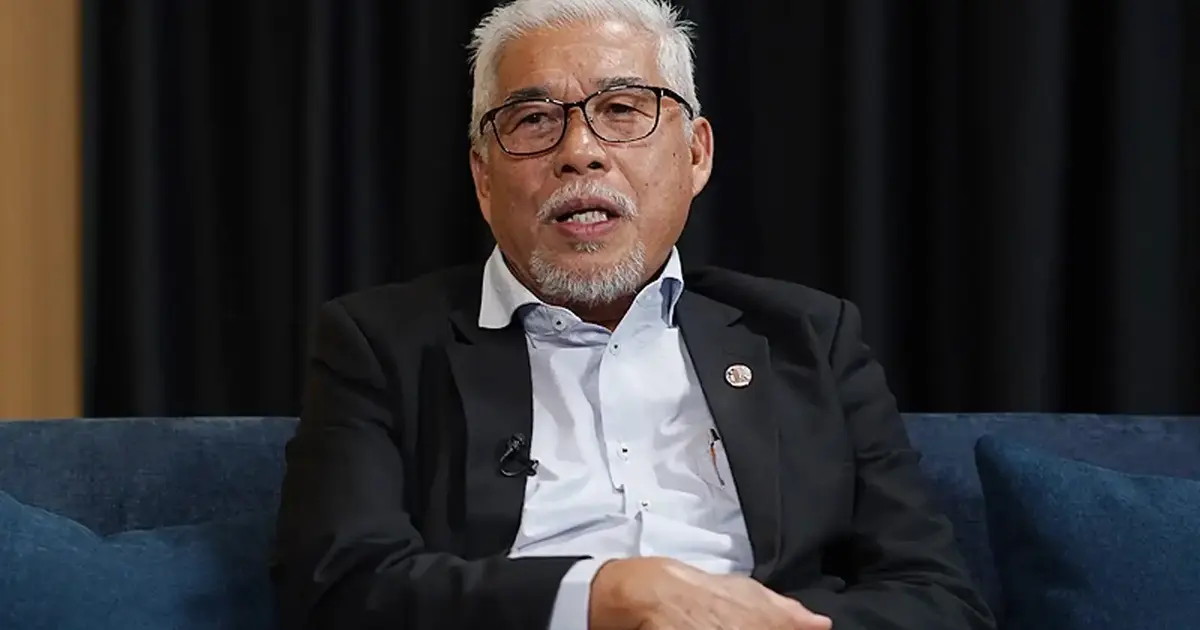
The Pasir Gudang Member of Parliament from Parti Keadilan Rakyat (PKR) has publicly cautioned against precipitous calls for an early general election, arguing that the current administration requires additional time to validate its economic agenda at the ballot box. Hassan Karim's intervention into Malaysia's electoral timeline reflects growing tensions within coalition politics over the optimal moment to seek a fresh popular mandate, particularly as the nation grapples with inflation, employment challenges, and the need for sustained investor confidence.
Hassan Karim's position represents a significant perspective within PKR's internal deliberations on election timing. By advocating for continuity until late 2027 or early 2028—effectively arguing against any snap poll before the constitutionally mandated deadline—the Pasir Gudang representative suggests that economic policy initiatives currently in motion require substantially more runway before their efficacy can be credibly demonstrated to voters. This stance implies confidence in the government's reform trajectory, yet simultaneously acknowledges the political reality that premature electoral contests risk validating opposition claims that the administration has failed to deliver meaningful improvements in household finances and employment opportunities.
The timing question carries particular significance for Malaysia's political landscape. The current parliamentary term extends through 2027, providing flexibility for the government to either proceed with scheduled elections or dissolve parliament earlier. Snap elections, historically deployed to consolidate power during favorable political moments, carry substantial risks if economic indicators remain weak or public sentiment has shifted negatively. Hassan Karim's intervention suggests strategic patience may be warranted, allowing anti-inflation measures, infrastructure projects, and labor market reforms to accumulate sufficient evidence of success before facing voters again.
Economic considerations underpin this electoral calculus throughout Southeast Asia. Malaysian policymakers confront global supply chain uncertainties, regional competition for manufacturing investment, and domestic pressures from rising living costs that disproportionately affect lower-income households. Elections fought in unfavorable economic conditions frequently punish incumbents, regardless of their policy intentions or long-term strategic vision. By framing the election timing question through an economic lens, Hassan Karim implicitly argues that governing competently demands sufficient time for results to become visible, observable, and attributable to government action in voters' lived experience.
Within PKR specifically, Hassan Karim's statement may reflect broader party calculations about coalition durability. Malaysia's coalitions have historically proven fragile, with component parties weighing electoral prospects against partnership sustainability. A premature election called during uncertain economic conditions could fracture coalition discipline, as parties calculate that their individual electoral prospects might improve through opposition or alternative alignment. Conversely, demonstrable economic progress strengthens coalition cohesion by validating the partnership's practical value to voters and reducing incentives for opportunistic defection.
The opposition perspective likely emphasizes different priorities. Depending on latest polling data and their own strategic assessments, opposition coalitions might view delayed elections as advantageous to the government or detrimental to themselves. However, Hassan Karim's statement suggests he believes the government's current trajectory warrants extension, implying confidence that 2027 or 2028 elections would occur under more favorable circumstances than earlier contests might provide.
For Malaysian voters, this debate reflects fundamental questions about election timing that operate across democracies worldwide. Elections called prematurely risk appearing opportunistic; elections delayed excessively risk appearing evasive. Hassan Karim's advocacy for late 2027 or early 2028 positioning suggests a calculation that this window allows sufficient time for economic policies to demonstrate measurable results—lower inflation, improved employment, strengthened investment—while remaining technically within the constitutionally appropriate timeframe for electoral democracy.
Regional implications merit consideration. Throughout Southeast Asia, economic performance increasingly determines electoral outcomes more decisively than traditional patronage politics or ethnic mobilization alone. If Malaysia's government can genuinely demonstrate improved economic management by late 2027 or 2028, this would provide a positive precedent for outcomes-driven governance in the region. Conversely, if the same timeline produces continued economic stagnation, Hassan Karim's advocacy for patience will appear retrospectively as misplaced confidence in unrealistic policy performance.
The broader political context involves ongoing debates within Malaysian coalitions about policy priorities and implementation capacity. Hassan Karim's statement suggests that within PKR's leadership circles, at least some figures believe the government has adopted sensible policies requiring time for implementation to mature. This positioning distinguishes between policy competence and political expedience, suggesting that immediate electoral gratification should not override substantive governance requirements.
Looking forward, Hassan Karim's public articulation of this position may serve multiple functions simultaneously. It signals to party colleagues that patience serves electoral interests better than premature contestation; it communicates to voters that the government operates with confident deliberation rather than reactive panic; and it establishes an implicit commitment that if the government proceeds toward late 2027 or 2028 elections without delivering material economic improvements, it will bear accountability for disappointed expectations. The Pasir Gudang MP has effectively framed extended governance time not as political entitlement but as conditional opportunity requiring tangible delivery.

