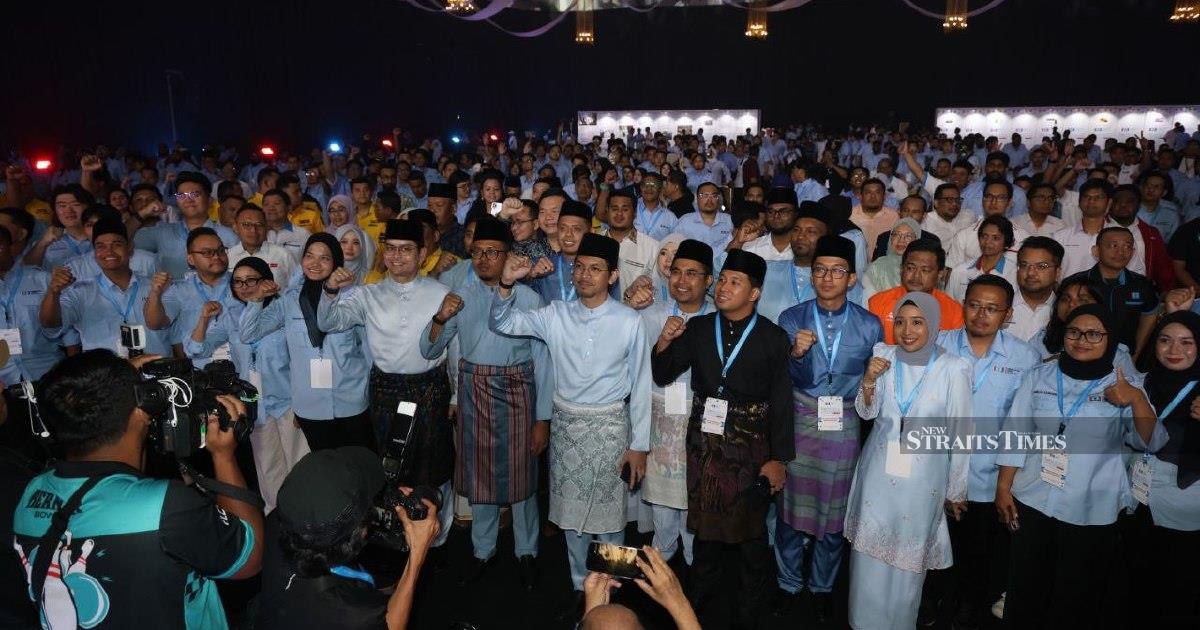
The PKR Youth Movement's chief has delivered a forthright message to Pakatan Harapan's leadership: the coalition must look inward when examining the reasons behind its disappointing performance in recent state elections, rather than directing blame toward the voting public. Speaking at an event in Ayer Keroh, Muhammad Kamil Abdul Munim articulated a perspective that reflects growing sentiment within younger party ranks calling for accountability and introspection following the coalition's electoral reverses in Johor and Negri Sembilan.
The backdrop to Kamil's remarks underscores a critical juncture for Pakatan Harapan, which has struggled to maintain momentum since its 2022 general election setback. The coalition's performance in recent state-level contests signals erosion of voter support in regions where it had previously demonstrated electoral strength, raising questions about the sustainability of its political positioning. Rather than attributing these losses to voter irrationality or shifting demographics alone, Kamil's intervention suggests that elements within the coalition recognize a deeper accountability issue requiring honest assessment.
This rhetorical shift carries significant implications for how Pakatan Harapan approaches its political strategy moving forward. By reframing the electoral narrative away from external factors and toward internal deficiencies, the PKR Youth chief is essentially advocating for a period of genuine self-examination. Such an approach stands in contrast to political responses that typically emphasize mitigating circumstances or blame external actors, instead positioning the coalition as responsible for restoring its standing with the electorate.
The Malaysian electorate has demonstrated through successive elections a willingness to shift allegiances when dissatisfied with political performance. Voters in Johor and Negri Sembilan, like their counterparts nationally, possess clear expectations regarding governance, service delivery, and political conduct. When these expectations remain unmet, the electoral consequences become apparent. Kamil's framing suggests recognition that the voting public acts rationally according to its own assessment of available options, and that dismissing such decisions would represent a fundamental misreading of the political moment.
For Pakatan Harapan, the challenge now extends beyond traditional campaign machinery or messaging refinement. The coalition must address substantive concerns that drive voter behavior—whether related to economic performance, administrative competence, or confidence in leadership quality. These concerns cannot be overcome through blame-shifting or argumentative posturing against the electorate. Instead, meaningful change in public perception requires demonstrable improvements in areas where voters perceive deficiencies.
Kamil's statement also reflects tensions within the broader Pakatan Harapan coalition regarding how to interpret and respond to electoral feedback. Younger political figures like the PKR Youth chief often occupy positions where they can articulate perspectives that senior leadership might find diplomatically awkward. By suggesting that voters bear no blame for their choices, Kamil creates space for serious discussion about what specifically requires transformation within the coalition's operations and messaging.
The dynamics in Johor and Negri Sembilan carry broader significance for Malaysian politics. Both states represent strategic importance to national political calculations, and Pakatan Harapan's difficulties in these jurisdictions have implications for the coalition's viability as a national alternative. Voters in these regions have indicated their preferences through ballots, and those preferences merit respect rather than recrimination. Understanding the specific grievances and expectations that shaped these electoral outcomes becomes essential intelligence for any political grouping seeking to rebuild support.
From a governance perspective, this moment presents opportunity for Pakatan Harapan to demonstrate political maturity by accepting electoral outcomes as referendum on performance rather than anomalies requiring explanation. Such acceptance does not necessitate passivity; rather, it can catalyze focused efforts toward addressing the specific policy areas and governance dimensions where voter confidence has eroded. This constructive response to electoral defeat distinguishes serious political organizations from those content with perpetual opposition.
The PKR Youth Movement's intervention also signals that generational divisions within Pakatan Harapan may be shaping how different segments of the coalition interpret recent developments. Younger members appear more inclined toward accepting accountability and pursuing renewal, while potentially diverging from messaging strategies that older leadership figures might prefer. This generational dynamic could prove influential in determining how comprehensively the coalition undertakes its self-assessment.
Moving forward, Kamil's remarks establish a foundation for conversations about specific institutional and policy reforms that might restore voter confidence. Whether Pakatan Harapan's broader leadership embraces this accountability-focused framework will substantially shape the coalition's trajectory. Voters have delivered their verdict clearly, and the coalition's response—accepting this verdict as valid expression of electoral will rather than dismissing it—will reveal much about its readiness to govern.

